Wolf Man, Leigh Whannell, and the Universal Monster Problem
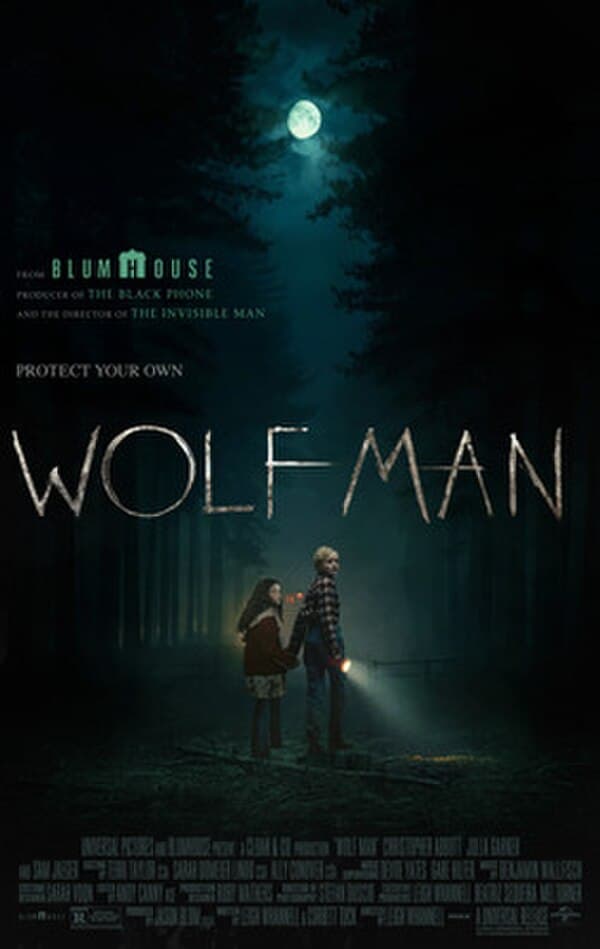
Leigh Whannell's January 2025 Wolf Man cost about $25 million and grossed about $36 million globally. The film is not the disaster the numbers suggest. The strategy around it is.
145 pieces

Leigh Whannell's January 2025 Wolf Man cost about $25 million and grossed about $36 million globally. The film is not the disaster the numbers suggest. The strategy around it is.

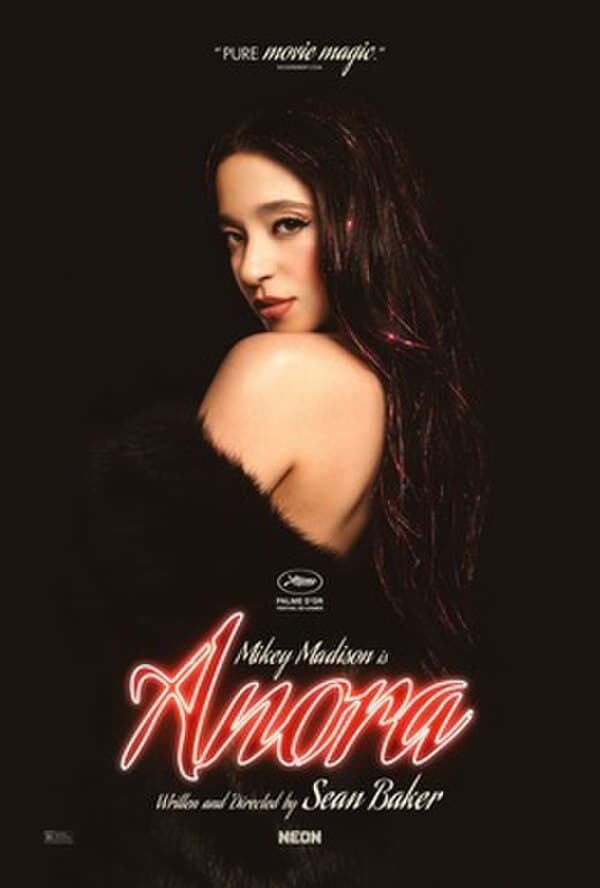
Sean Baker's Brooklyn fairytale won five Academy Awards on the strength of two minutes of silence in a parked car. The film is more interested in what that silence costs.
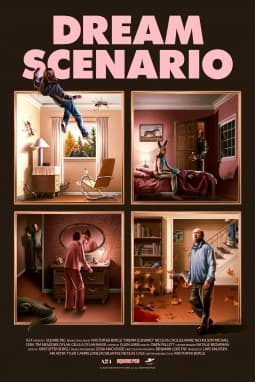
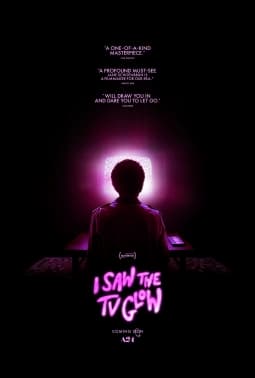
Kristoffer Borgli's A24 feature used Nicolas Cage as the vehicle for a media satire that landed in late 2023 and has aged, through 2024 and into 2025, into a specifically sharper object than the reviews initially registered.
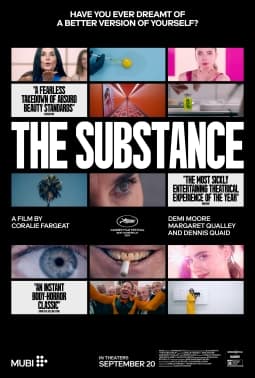
Eighteen months after Coralie Fargeat's prosthetic-heavy fable drew both Oscar nominations and walkouts, the strange alchemy of The Substance has only clarified. The film is less about Hollywood than it looks, and more about what we're allowed to say with bodies on screen.

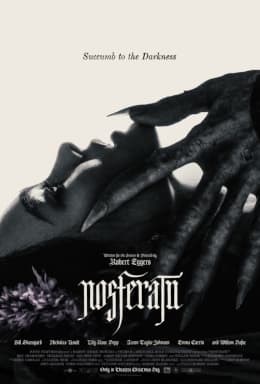
Eggers' remake was received with admiration rather than fervour, a proper film from a proper filmmaker. Sixteen months later, it looks like the serious piece the year needed, and the one we were too cool to love properly at the time.

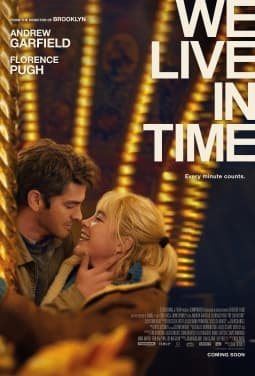
John Crowley's third collaboration with A24 runs the ten-year relationship in a non-linear shuffle, and the shuffle is what makes the film survive its cancer-drama premise. Just barely, but it does.

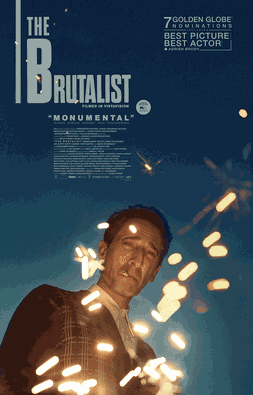
A year after The Brutalist swept its technical categories and divided audiences, its length has stopped looking like a gamble and started looking like the point. An argument for the long film in a short-film decade.

A year after Sean Baker's fourth feature took five Oscars including Best Picture, the predictable backlash has arrived on schedule. Here's why the Academy, improbably, got it right.
Rose Glass's second feature dragged the lesbian bodybuilder noir into A24 territory and got reviewed as a tonal mess. The case I want to make is that the tonal mess is the movie, and the movie earns it.

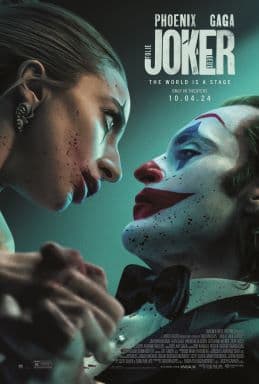
Eighteen months after Todd Phillips' much-hated sequel opened to a $37 million weekend and a 30% audience score, it is time to autopsy the corpse. The film isn't good. It also isn't quite what you've been told.

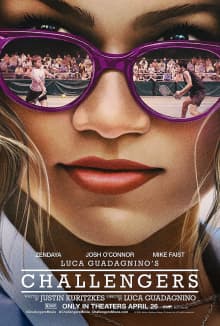
Two years after Challengers arrived in its pastel pressure-cooker, the film's trick is clearer: it is not really about tennis. It is about what love looks like when three people are too competitive to admit they love anything but competition.

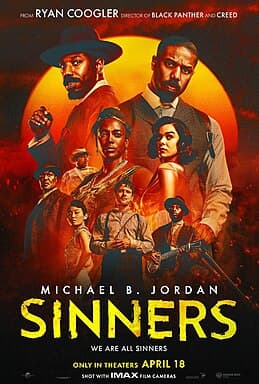
Ten months on, Ryan Coogler's 1930s Mississippi vampire film doesn't just still hold up, it looks like the clearest sign in years that the studio auteur movie is not dead. A field report from inside the juke joint.

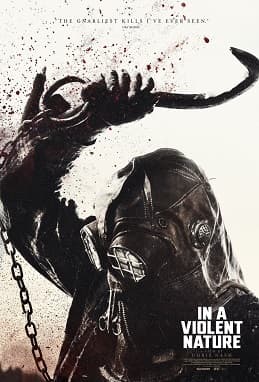
Chris Nash's debut takes the slasher apart from the killer's point of view, and the radical formal choice is also the reason the film divides its audience. I want to argue for it.

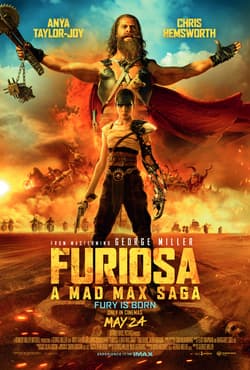
Almost two years on, Furiosa's $175m worldwide gross still looks like the most depressing box-office story of the 2020s. Not because the film is bad, it is not, but because of what its failure reveals about the economics of the action film.

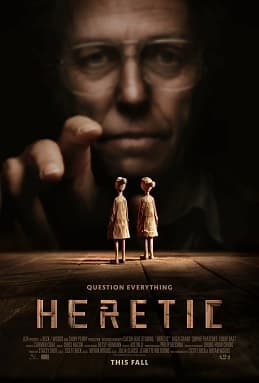
A year and a bit on, Hugh Grant's turn in Heretic has been canonised as the late-career reinvention of the decade. The interesting question is what reinvention actually means when the performance is, in truth, an intensification of what he was always doing.

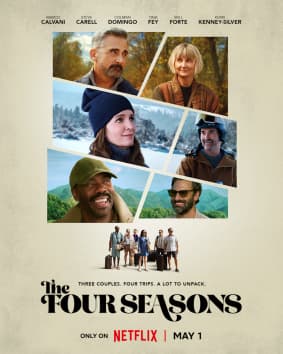
Tina Fey's adaptation of the 1981 Alan Alda film is a show about three couples, four vacations, and what middle-aged friendship sounds like when nobody is performing for an audience.

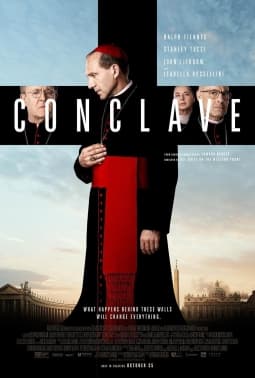
Fifteen months after Conclave's surprise commercial run, Edward Berger's Vatican procedural still feels like an argument from another era of filmmaking. The genre it quietly revived, the talk movie, is worth examining.

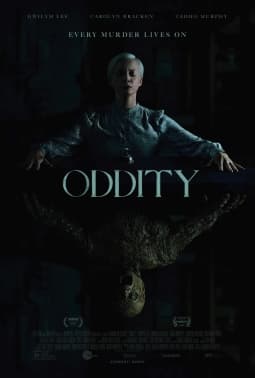
Damian McCarthy's second feature is the best pure-horror indie of 2024, and the clearest argument going for what micro-budget Irish genre cinema can do when it commits to a single effect and doesn't blink.

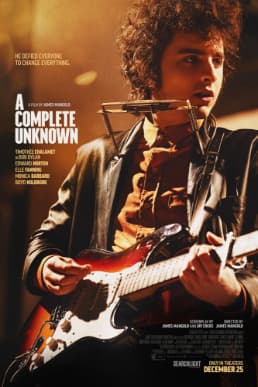
A year after James Mangold's Dylan biopic arrived in the middle of a tired genre, the film's decisions keep looking smarter. An argument for the underrated music biopic of the decade.

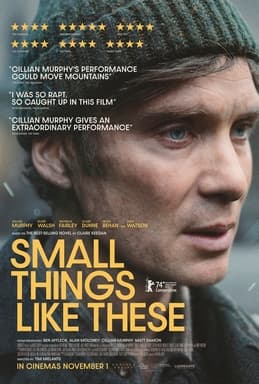
Tim Mielants's adaptation of the Claire Keegan novella was reviewed as a modest Cillian Murphy vehicle. The careful reading is that the film's restraint is the indictment, and the restraint is harder to film than the indictment would have been.

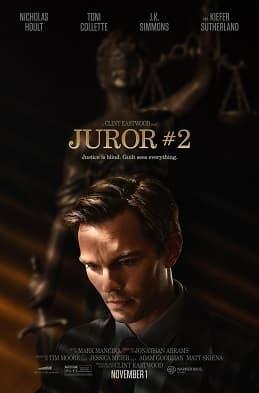
Clint Eastwood's probable farewell as a director was buried by Warner Bros in a ghost release. The film is better than the release, and the release is part of the story.
Eleven months after Severance returned, the second season's structural gambles are clearer. The show's patience has always been its argument; the real question is whether that argument still scales.
Jonathan Tropper's Apple series gave Jon Hamm a part he has been waiting a decade for. The show itself is a more complicated object.

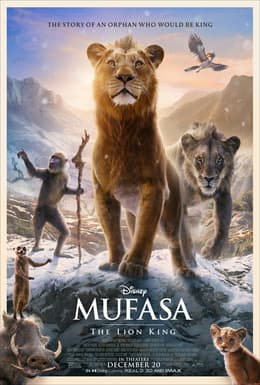
Disney hired Barry Jenkins to direct a photoreal prequel to a remake of an animated film. The economic logic is intelligible. The artistic logic is not. A year on, the question is what Jenkins was doing there.

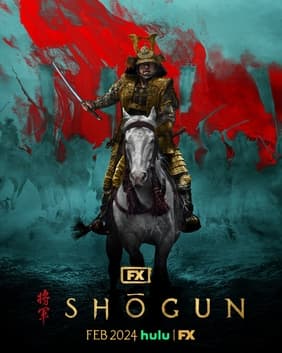
Fifteen months after Shōgun's historic Emmy sweep, and with a second season confirmed, it's worth asking what the show changed about prestige TV, and what it didn't.

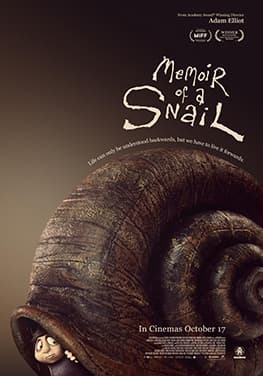
Adam Elliot's second stop-motion feature took eight years to make and collected festival prizes from Annecy to Annapurna. The Australian argument is that his particular strain of misery-claymation is one of the country's more unusual exports.

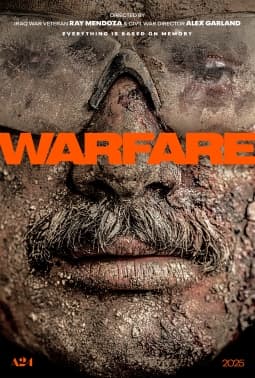
Ray Mendoza and Alex Garland's second collaboration rebuilds a 2006 Ramadi engagement from the memories of the men who survived it, and the film's claim on attention is its specific refusal to shape.

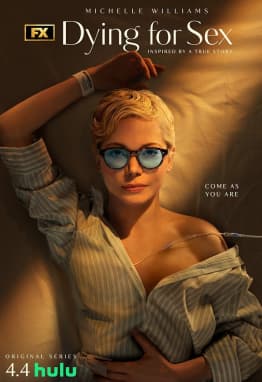
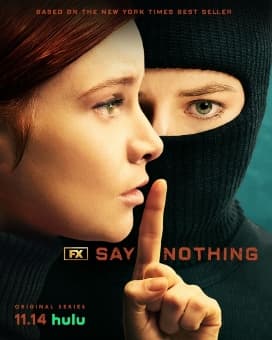
Liz Meriwether's eight-episode FX series handed Michelle Williams the role of the decade and Jenny Slate the best supporting performance on television last year.

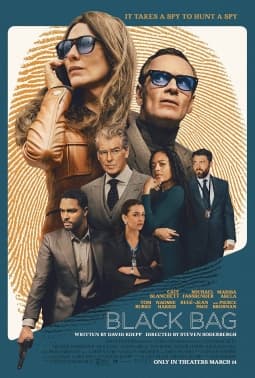
Steven Soderbergh's ninety-four-minute spy thriller is the specific kind of mid-budget adult drama American studios have stopped making. Its existence is the argument. Its execution is the reward.

Eighteen months after The Bear's third season landed to the worst reviews of its run, the season has quietly become the one I most want to rewatch. An argument for the slow, prickly middle chapter.

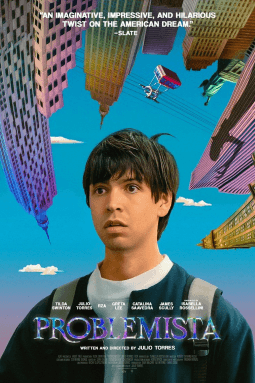
Julio Torres's 2024 debut feature is a specifically strange American indie about a Salvadoran immigrant, a specifically difficult art-world widow, and a specifically failing visa petition. It is also, quietly, great.

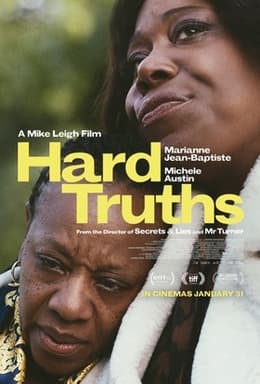
Mike Leigh's first film since 2018 reunited him with Marianne Jean-Baptiste for a character study of sustained anger. The argument is that the film is one of his best, and the conditions that produced it are the ones his method has been waiting to find.

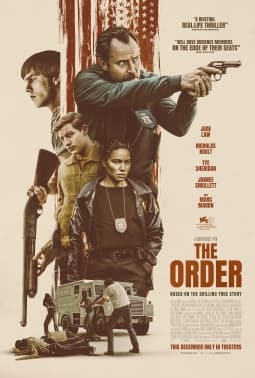
Justin Kurzel's FBI procedural about white supremacist terrorism in 1980s Idaho was one of the most under-watched American films of 2024. It is also one of the best, and the under-watching is a specific commercial failure worth understanding.

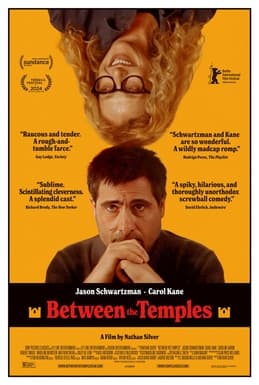
Nathan Silver's improvisational comedy about a grieving cantor and his retired music teacher is the specifically strangest American indie comedy in years. I keep coming back to it.

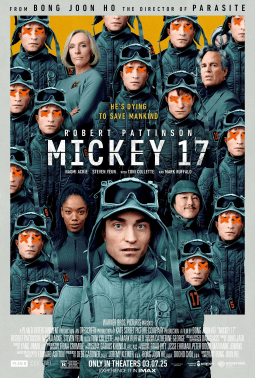
Bong Joon-ho's first film after Parasite is a $118 million science fiction satire that Warner Bros marketed badly and audiences did not know how to process. A year on, the failure is the studio's, not the director's.

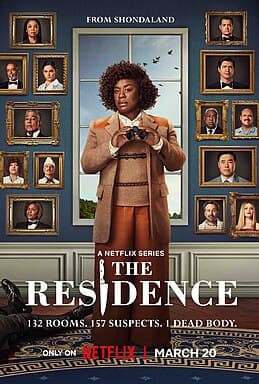
Shondaland's White House whodunnit handed Uzo Aduba the role she has been waiting for since Orange is the New Black. The rest of the show is trying to catch up to her.

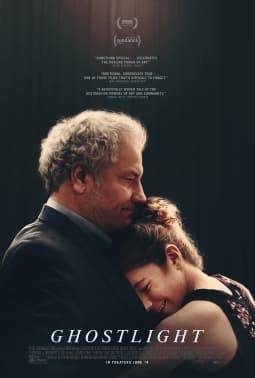
Kelly O'Sullivan and Alex Thompson's 2024 indie is the specific small American film about grief that the specific small American film is specifically built to make. And rarely does this well.

A year after Industry's third season brought Kit Harington and a green-energy IPO into the show's London trading floor, the season looks like the moment the show became the best finance drama in TV history.

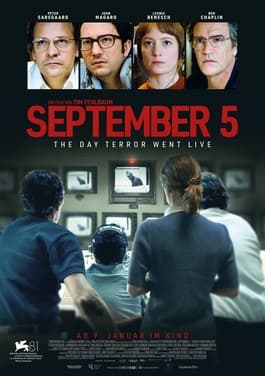
Tim Fehlbaum's procedural about the ABC Sports team covering the 1972 Munich hostage crisis narrows its field of vision to a single control room. The narrowing is the film's argument, and it holds.
A year on from Season 4, Slow Horses is still the most consistently-good spy drama on television. An argument for the show that has quietly become one of the best.

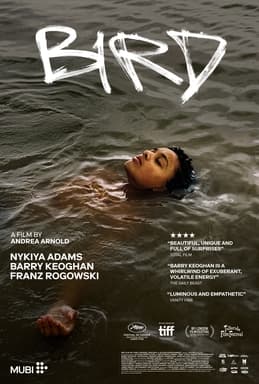
Andrea Arnold's fifth feature split the reviews, and the split was real. The retrospective argument is that the film's unexpected magical turn is not a failure of the social-realist grammar, it's what the grammar was always walking toward.

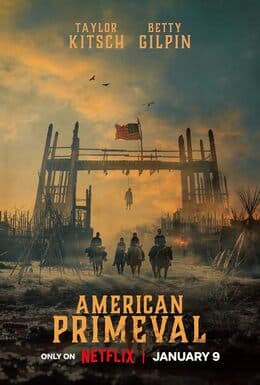
Peter Berg and Mark L. Smith's six-episode Netflix limited western compresses a brutal 1857 Utah into ninety minutes per episode, and the compression is both the method and the mistake.

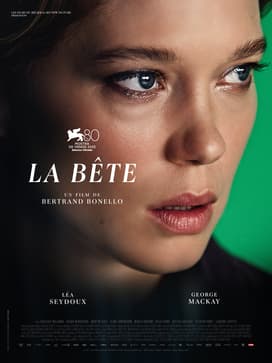
Bertrand Bonello's 2023 film, released in the US in April 2024, is the strangest and most formally ambitious film I saw in either year. An argument for the specific dread of being alive in multiple decades at once.

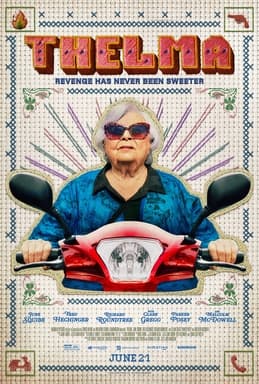
Josh Margolin's debut feature gave June Squibb her first leading role at 94. It was not a stunt. It was a film.
Dan Fogelman's Paradise uses a first-episode reveal as a structural argument. The reveal works; what the show does with it is the interesting part.

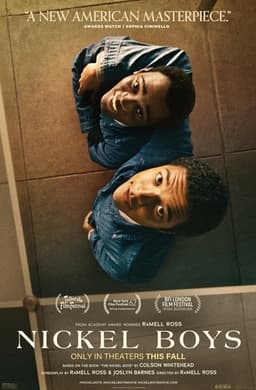
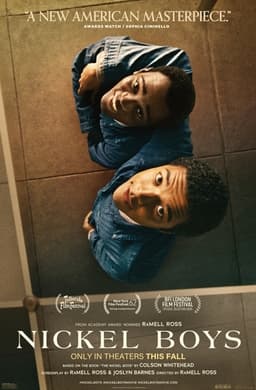
RaMell Ross adapted Colson Whitehead's Pulitzer-winning novel through a first-person camera almost continuously across two hours. The argument is that the formal gamble is the adaptation, and the adaptation is, so far, the film of the awards year.

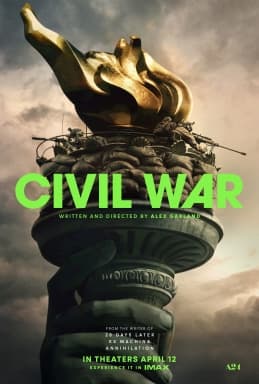
Alex Garland made a film about an American civil war and deliberately stripped out the politics. A year and a half later, the emptiness in the middle of Civil War is not a choice to respect. It is the thing that breaks the film.

Tony Gilroy's second and final season of Andor is the most disciplined piece of franchise television anyone has produced. It is also an argument about what franchise television could have been.

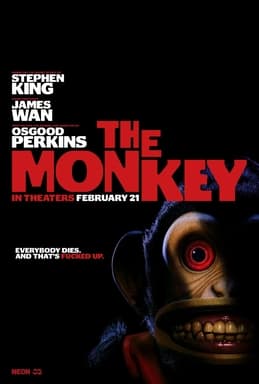
Osgood Perkins' follow-up to Longlegs is a better film than the hype-fatigue has let on. An argument for the adaptation that does not care about the source material.

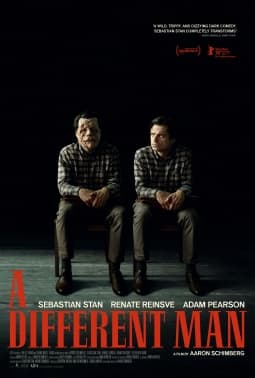
Aaron Schimberg's 2024 comedy about an actor who gets a medical procedure and regrets it is the year's strangest mid-budget indie, and the one whose specific comic machinery I keep returning to.

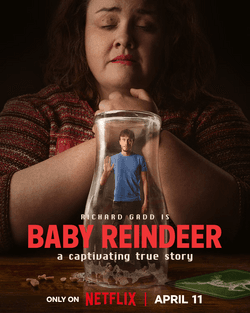
Richard Gadd's seven-episode autobiographical drama was the TV moment of spring 2024 and the legal controversy of summer 2024. A year later, the show itself is still the best argument for why it exists.

Three and a bit years after the first season, Hwang Dong-hyuk's second Squid Game is a structurally different object from the original, and the difference is the thing worth describing.

Pablo Larraín's third and probably final entry in his trilogy of distressed-woman biopics is the most formally certain of the three, and the one least willing to flatter its subject.

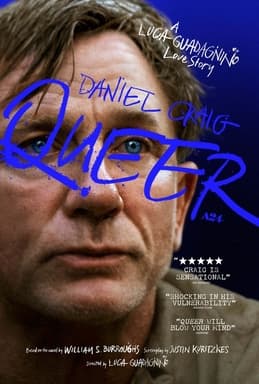
Guadagnino's second film of 2024 was the quieter one, the one with the more difficult source material, and the one that has settled, a year later, as the more specifically strange.

R. Scott Gemmill's real-time hospital drama on Max ran fifteen episodes across a single shift. It is the best procedural television has produced in a decade.

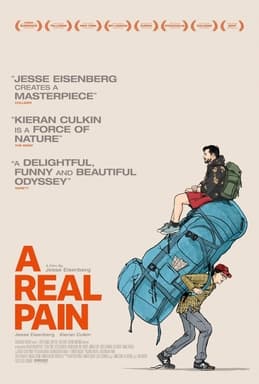
Jesse Eisenberg's second film as director is a tightly written cousins-on-a-trip movie that uses its ninety minutes to say something particular about inheritance, grief, and the specific tolerances of family.

A year and a half on from the sequel, the case for Dune: Part Two is less about its scale and more about its refusal. An argument for the blockbuster that does not entertain.

Vampire Weekend's fifth album, released in April 2024 after a five-year wait, is the record where the band finally stopped being a band about youth. A year on, the shift is the interesting thing.

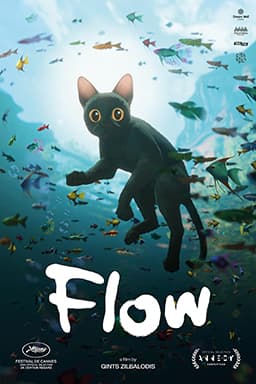
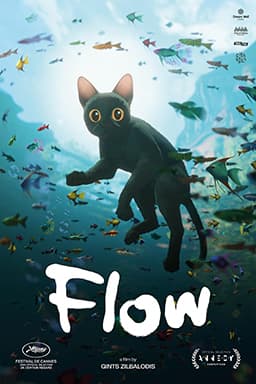
Gints Zilbalodis made a dialogue-free animated feature in Blender with a team of a dozen, won the Oscar, and put the Latvian film industry on the global animation map. The patient argument is that the form, not the novelty, is the achievement.

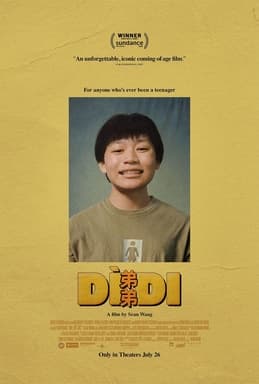
Sean Wang's 2024 debut feature is one of the best American coming-of-age films in years. Specifically about being thirteen, Taiwanese-American, and on MySpace in 2008.

Jesse Eisenberg's second feature as director-writer is a specifically small, specifically patient Polish heritage-tour film, and the film it most resembles is a Broadway play that someone has somehow filmed correctly.

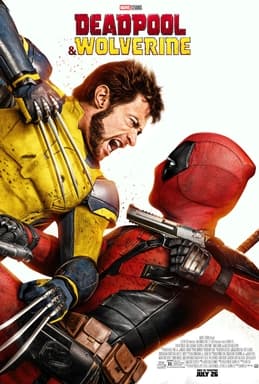
A year after Deadpool & Wolverine made $1.3 billion and saved a bad year for the MCU, the film looks less like a triumph and more like the last thing Marvel is going to get away with.

Joshua Zetumer's FX adaptation of Patrick Radden Keefe's Troubles-era book is a better television show than many people expected. It is also a book that perhaps should not have been adapted at all.

A Latvian animated feature made on Blender with a team of fifteen people won the Oscar and beat DreamWorks, Pixar, and Netflix. The reason is not budget. It is silence.

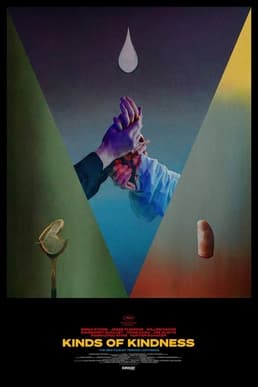
A year on from Lanthimos' three-part anthology, the film reads cleaner than the reviews made it sound. An argument for what happens when a director stops worrying about being liked.

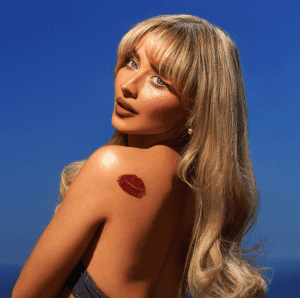
A year on from Short n' Sweet, Sabrina Carpenter is the first pop star of her generation who has successfully metabolised the Disney-pipeline training into something that is not, finally, Disney.

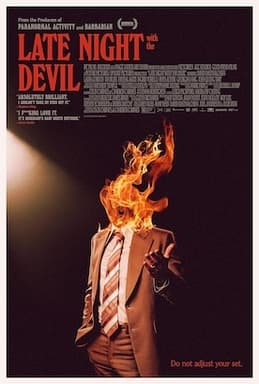
Colin and Cameron Cairnes's Australian indie horror, shot as a 1977 late-night TV broadcast gone wrong, is the rare genre exercise whose formal commitment pays off at every level.

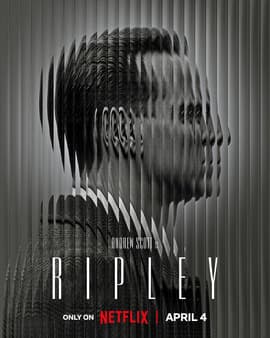
Steven Zaillian's eight-episode Netflix adaptation of Patricia Highsmith was the quiet prestige show of April 2024. A year later, its patience has only looked smarter.

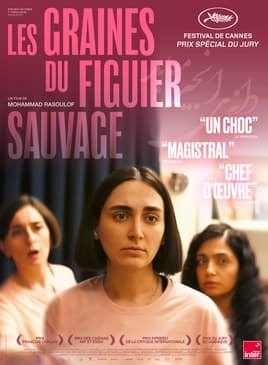
Mohammad Rasoulof shot the film in secret, fled Iran during post-production, and arrived at Cannes with a three-hour domestic thriller about a judiciary father and his protesting daughters. The retrospective argument is that the long cut is the cut.

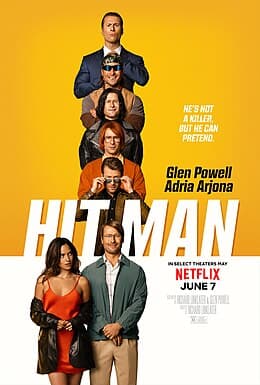
A year on from Hit Man's Netflix release, the film is a quieter argument than it first appeared. Richard Linklater made a star-launcher for someone he knew would not, in the end, need launching.

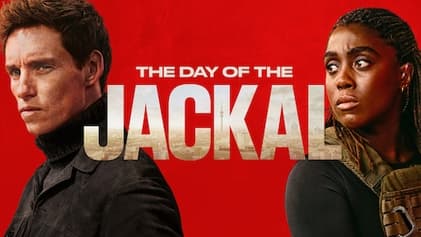
Sky and Peacock's Jackal adaptation stretched the Forsyth novel across ten episodes and bet the show on Eddie Redmayne's stillness. The bet paid off, mostly.

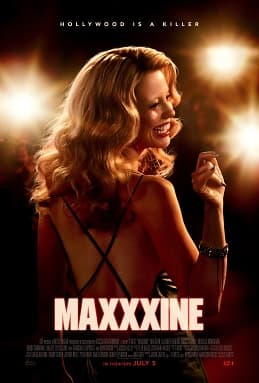
Ti West closed his X/Pearl/MaXXXine trilogy in July 2024 with a film that tries to be several kinds of movie at once. A year later, only some of them worked.

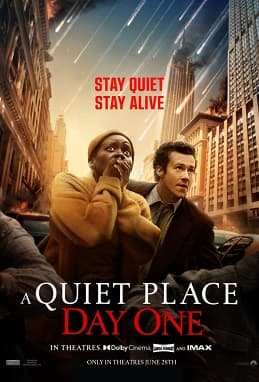
Michael Sarnoski's Quiet Place prequel is a studio horror release built to break the franchise's scale rules, and the smaller it stays, the better it works.

RaMell Ross adapted Colson Whitehead's Pulitzer novel by refusing the one thing most literary adaptations insist on. The camera is the character, and the choice changes what the film can do.

A year after Hacks Season 3 landed, the show is quietly one of the best ongoing comedies on television. An argument for the series whose cruelty keeps getting better-calibrated.

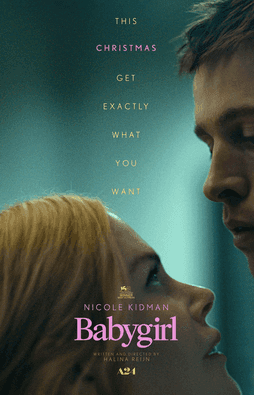
Halina Reijn's erotic drama returned a genre the American studios had given up on, and gave Nicole Kidman the kind of role the mid-budget adult film had stopped being able to produce.

Mindy Kaling's Netflix NBA comedy is a vehicle for Kate Hudson's return to screen work. The show around her is more conventional than her performance deserves.

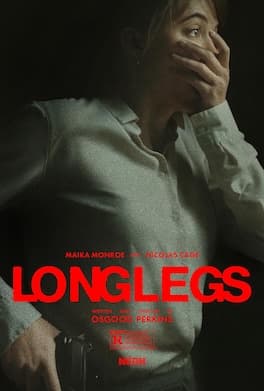
A year after Longlegs' extraordinary marketing run turned into an extraordinary opening weekend, the film looks smaller than the hype suggested and stranger than the backlash allowed.

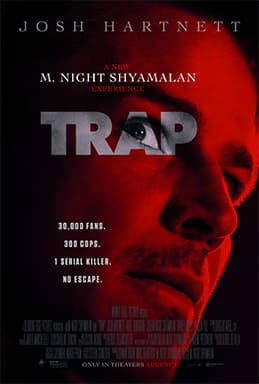
M. Night Shyamalan's August 2024 thriller had a genuinely great first act and two acts that could not sustain the premise. A year later, the unevenness is worth thinking about.

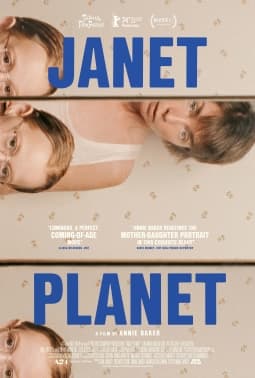
Annie Baker's film debut is the rare coming-of-age film that refuses every coming-of-age convention. Just a specific eleven-year-old and her specific mother, one summer in western Massachusetts, 1991.

Disney's Daredevil revival survived a mid-production creative overhaul and emerged looking, eventually, like a continuation of the Netflix show it nominally wasn't.

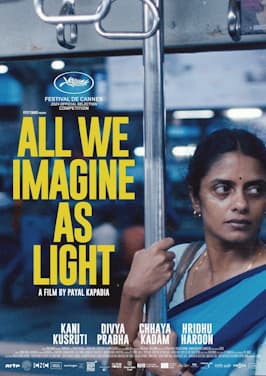
Payal Kapadia's Cannes Grand Prix winner was received, on its US release, as the decade's strongest import from Indian indie cinema. The re-reading is that the film is even stranger, and more formally considered, than the initial reception allowed.

Charli XCX's Brat was the pop event of 2024. A year on, the question is not whether the record was good. The question is what Brat Summer actually was, who it was for, and why almost everything it inspired was bad.

Graham Yost's second season of Silo split its story across two bunkers and asked viewers to wait. The waiting is the show's argument, and also its risk.

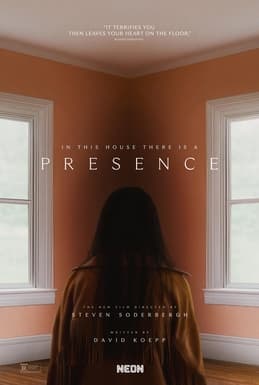
Steven Soderbergh shot a haunted house film entirely from the ghost's point of view. The formal constraint should not work. It does, and the reasons are technical.

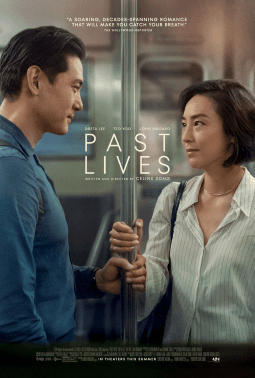
Two Oscar nominations, a slow-burn awards run, and a second viewing at home. Celine Song's debut keeps revealing itself. An argument for the film that refuses its own climax.

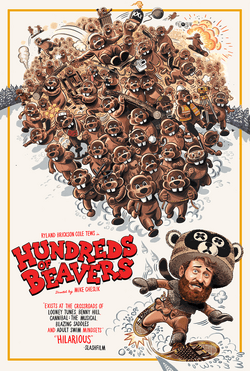
Mike Cheslik's 108-minute silent slapstick about a 19th-century fur trapper fighting mascot beavers is one of the strangest American indie films of the decade. It is also one of the funniest.

A year after The Penguin finished its run on HBO, the show is a strong argument for what the superhero universe can still do on television when nobody makes it wear tights.

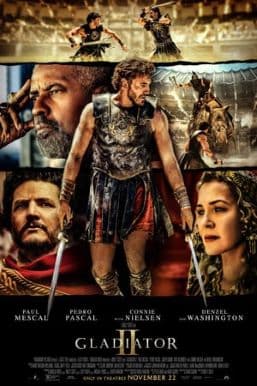
Ridley Scott made Gladiator II twenty-four years after the original and repeated most of the first film's beats without any of its conviction. The problem is not age. The problem is a director who no longer believes the genre.
Mk.gee's debut full-length is the strangest guitar record a twenty-something American songwriter released in 2024, and nine months in it is still rewiring what popular guitar is allowed to sound like.

Jacques Audiard's Spanish-language narco musical swept the Cannes awards and collapsed in the awards season that followed. The collapse had less to do with the controversies than with the film's formal failure to decide what it wanted to be.

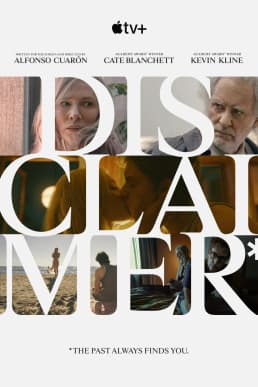
Alfonso Cuarón's seven-part thriller on Apple TV was the prestige-TV arrival of October 2024. A year out, the shape of what went wrong is clearer.

Jane Schoenbrun's sophomore feature played small in theatres, spoke loudly to the audience it was made for, and kept speaking afterwards. A year later, it is still teaching viewers how to be seen.

I took my younger sister to see Megan Park's second feature thinking it would be a throwaway, and we walked out crying. The retrospective case is that it is the sharpest coming-of-age indie of the year, and I'll fight about it.
Debora Cahn's second season ran six episodes and handed its final scene to Allison Janney. The compression changed what the show is.

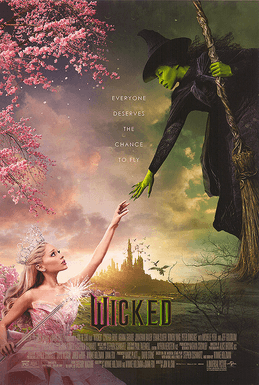
Jon M. Chu's Wicked was the studio musical that worked, and the reasons it worked are specific to the form. A year on, its choices look like a template.

Almodóvar's first English-language feature is the film he has spent his whole career preparing to make. A year later, the patience was worth waiting for.

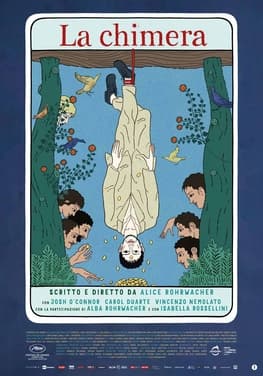
Alice Rohrwacher's 2023 film about a British grave-robber in 1980s Italy is the kind of quiet, strange, specifically rewarding film that the American art-house circuit was once built to deliver. It still can.

Jac Schaeffer's Agatha limited series did what Marvel's TV slate had mostly stopped doing: it knew what it was, and it finished.

A year after 'Not Like Us' broke streaming records, changed halftime shows, and drove a superstar into the career wilderness, the question is no longer who won. The question is what the beef actually was.

Jonathan Glazer's Holocaust film works by almost never showing us the Holocaust. Two years out, the sound design is still one of the most radical formal choices of the decade.

Mike Schur's Netflix show placed Ted Danson inside a retirement community as an amateur investigator. The premise is a disguise for the comedy Schur has been moving toward for a decade.

Hirokazu Kore-eda's 2023 film, released in the US in late 2023 and on streaming through 2024, is a specifically disciplined three-act structural experiment. Also, quietly, one of the most important queer films of recent cinema.

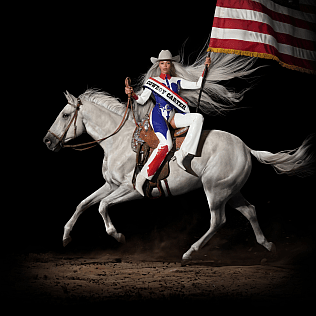
A year out, Beyoncé's country album is not a country album. It is a demolition project. An argument for Cowboy Carter as one of the most important genre interventions of the decade.

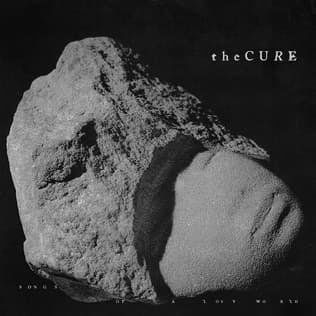
The Cure's first album in sixteen years arrived in November 2024. A year later, the wait was the point.

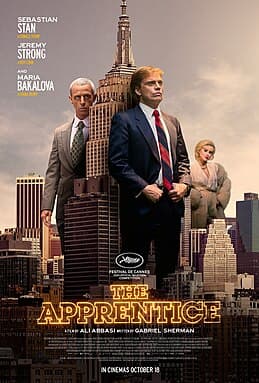
Ali Abbasi's Trump origin story arrived in American theatres three weeks before the 2024 election, flopped, and has barely been discussed since. The film deserved better.

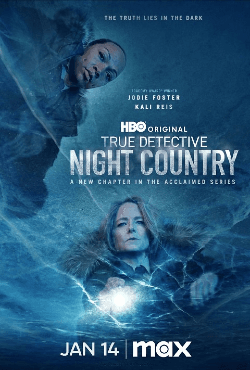
Issa López's anthology season was the most divisive prestige TV of the year. Eighteen months out, the things it got right outweigh the things it did not.

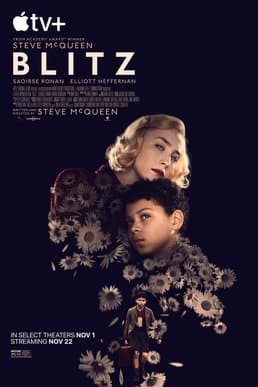
Steve McQueen's first feature since Small Axe attempts a sprawling wartime mural of London. The mural mostly works. The boy at its centre is the reason it sometimes does not.

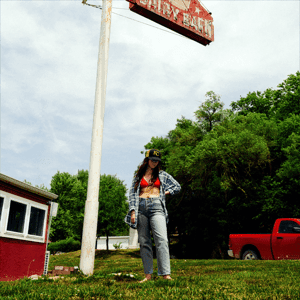
Katie Crutchfield's follow-up to Saint Cloud did not need to do anything except be good. It is good in specific, deliberate ways, and those ways are the record's argument for itself.
Kiyoshi Kurosawa's 2024 thriller about a Tokyo reseller whose customers track him to a mountain cabin is the closest his cinema has come to an argument about the economy we are actually living inside.
Nathan Fielder returned in April 2025 with six episodes about cockpit communication and commercial aviation safety. The premise sounds like a joke. It is not a joke.

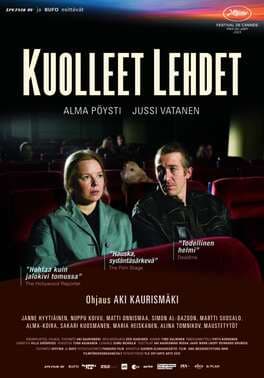
Aki Kaurismäki's 2023 film, out of retirement and better for it, is one of the shortest great films of the decade. An 81-minute case for the romantic comedy as serious cinema.

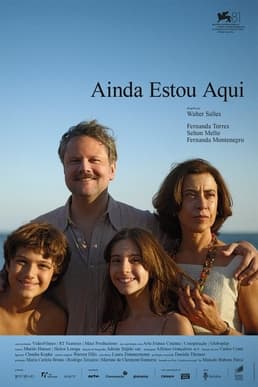
Walter Salles's adaptation of Marcelo Rubens Paiva's memoir won Brazil its first Best International Feature Oscar in March 2025. The win matters. The film matters more.
Taylor Sheridan's Landman arrived in November 2024 as his fifth active series for Paramount. The show is good enough in places and overextended everywhere, and the overextension is the company strategy.

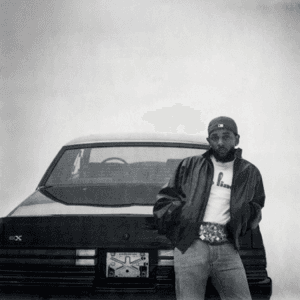
Kendrick's surprise-dropped November record is the victory-lap album that also functions as a genealogy lesson. Both registers are doing specific work, and both work.

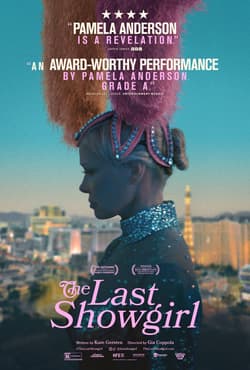
Gia Coppola's third feature hands Pamela Anderson a role that asks almost nothing performative of her, and asks everything else. The restraint is the thesis.
Jennie Snyder Urman's CBS reboot smuggled a revenge thriller and a grief story inside a network legal procedural. Kathy Bates held the whole thing together across nineteen episodes.

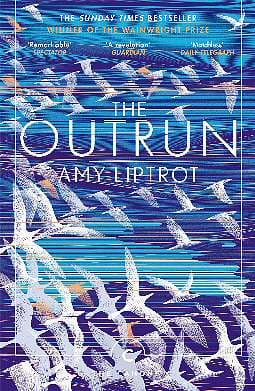
Nora Fingscheidt's adaptation of Amy Liptrot's memoir arrived in autumn through Sony Pictures Classics. It is a recovery film that keeps reaching past the recovery, out into the weather on the islands.
Peter Craig's Philadelphia crime serial dropped on Apple TV+ in March with Brian Tyree Henry and Wagner Moura as the leads. It is patient, specific, and the best adult crime drama the service has aired.

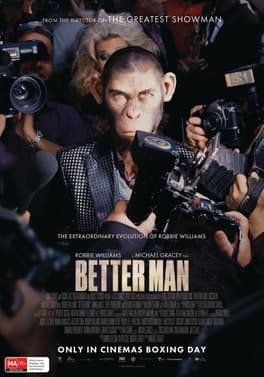
Michael Gracey's Robbie Williams biopic cast its subject as a CGI chimpanzee and posted one of the worst wide-opening results of the year. The film is still better than its box office.

Doechii's Top Dawg mixtape landed in August 2024, won Best Rap Album at the 67th Grammys, and did the specific thing most debut-tier rap records cannot do: hold the weight of a dozen genre switches without buckling.
Brian Jordan Alvarez's FX comedy arrived on Hulu in September 2024 and renewed quickly. The show is doing more than its loose register suggests, and the workplace logic is the reason.

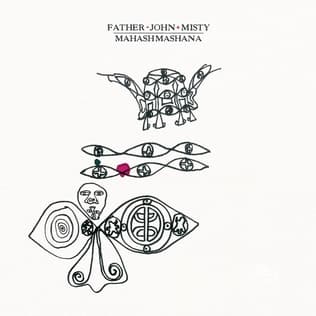
Josh Tillman's sixth Father John Misty record arrived in late November on Sub Pop. It is the longest the project has sounded and, in a specific way, the least defended.

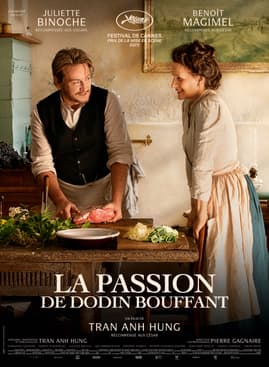
Tran Anh Hung's 2023 film, released theatrically in February 2024, is the best film about food and cooking since Babette's Feast. It is also a deeply disciplined romance in disguise.

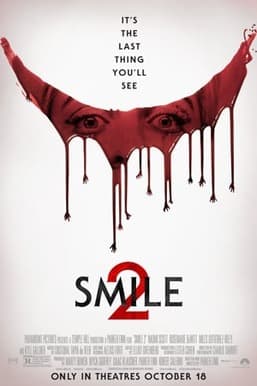
Parker Finn's follow-up to his 2022 hit arrived through Paramount in October. It takes the original's thin premise and pushes it into something stranger, harder, and more formally specific.

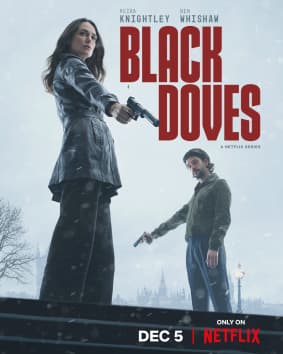
Joe Barton's six-episode Netflix spy series arrived in the Christmas release slot in December 2024 and did the thing most genre television cannot do: hold a comic register and a grief register in the same frame without either one winning.

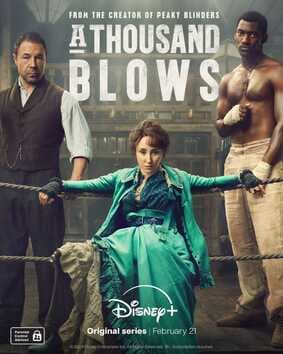
Steven Knight's Victorian boxing drama dropped on Disney+ and Hulu in February 2025. Six episodes in, the show's interest in three parallel hustles is what makes the frame hold.
Erin Foster's Netflix series arrived in September with a tidy ten-episode run and an audience the streamer did not appear to expect. The show's virtue is its willingness to let the romance breathe.

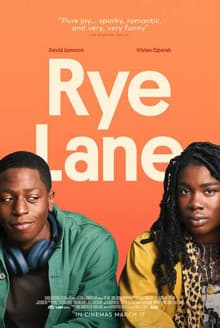
Raine Allen-Miller's 2023 debut is the rare contemporary British romantic comedy that actually commits to its register. Specifically a London film in a way very few London films are.

Drew Hancock's debut strips its premise to a weekend-house structure and one central idea. The discipline is the film's argument, and the argument lands cleanly.

Amazon's third Reacher season adapted Persuader across eight episodes in February 2025 and did the specific thing the show exists to do. The formula holds, and the reasons it holds are worth marking.

Jamie Smith's second solo record landed in September on Young, almost a decade after In Colour. It is the sound of a producer who has been DJing for nine years and finally decided to write the album the nights were asking for.
The second season of Apple's therapist comedy deepens rather than complicates, which is the correct instinct for the show and an increasingly rare one on contemporary prestige TV.

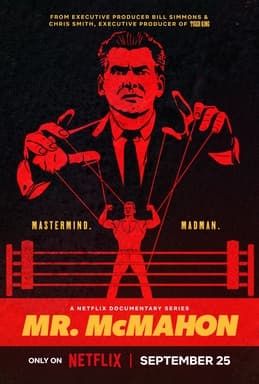
Chris Smith's six-part documentary arrived on Netflix in September and did the specific job the genre rarely gets to do. It let its subject speak, and then it outlasted him.

HBO's six-episode Bene Gesserit prequel arrives with a specific set of inherited problems and a few genuine pleasures. The question is whether the pleasures can sustain a second season.

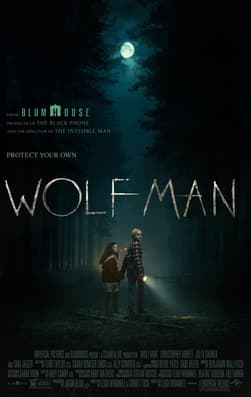
Leigh Whannell's follow-up to The Invisible Man arrived in January through Blumhouse and Universal. It is a smaller, stranger film than the one the marketing sold, and the smaller film is the better film.

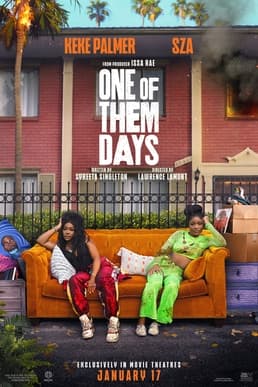
Lawrence Lamont's debut landed in January 2025 with SZA and Keke Palmer centred inside a rent-day comedy that remembered how buddy pictures actually move.

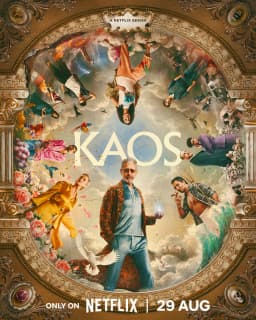
Charlie Covell's Greek-myth reworking arrived on Netflix in August 2024 and was cancelled a month later. The show deserved better, and the cancellation revealed something specific about Netflix's renewal math.

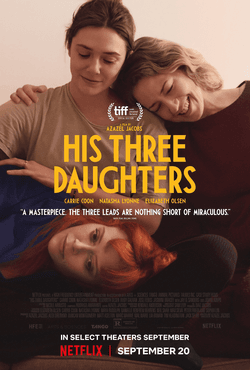
Azazel Jacobs built a three-hander around a Manhattan apartment, three sisters, and a dying father in the next room. The film is much better than Netflix's release pattern suggested.

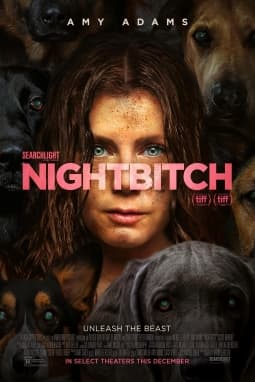
Marielle Heller's adaptation of Rachel Yoder's novel arrived through Searchlight in December, and the thing it cannot decide is how much of the dog to show. The indecision is the film.

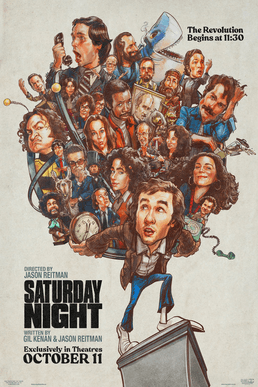
Jason Reitman's compressed account of the ninety minutes before the first SNL broadcast is the rare backstage film that trusts the chaos to be its own argument.

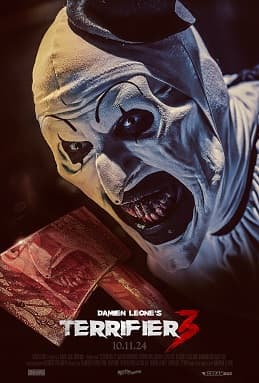
Damien Leone's third Art the Clown picture opened wide in October 2024 and outgrossed the usual horror release pattern by a factor most distributors would not have underwritten. The craft is why.

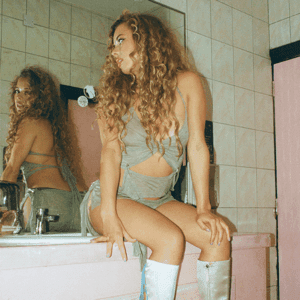
Nilüfer Yanya's third record arrived in September 2024 as the specific consolidation work a third album is supposed to do, and the consolidation has produced the strongest writing of her career.
The BBC's Ludwig, broadcast across six episodes in September and October, is the closest a mainstream British commission has come in years to the register the genre was built on.

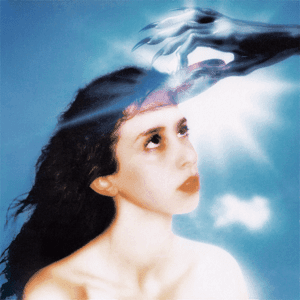
Magdalena Bay's second full-length arrived in August 2024 to a slow critical build and a fanbase already waiting. Five months on, the album is the strongest argument for the form in current pop.