Black Bag and the Return of the Competent Genre Film
Steven Soderbergh's ninety-four-minute spy thriller is the specific kind of mid-budget adult drama American studios have stopped making. Its existence is the argument. Its execution is the reward.

Poster / promotional material via Wikipedia, Black Bag. Used under fair use for criticism and review.
There is a specific kind of pleasure available in the American adult-oriented genre film that used to be routine and has, across roughly the last fifteen years, become specifically scarce. I am referring to the film that runs ninety to one hundred and ten minutes, has a reasonable production budget (twenty to fifty million dollars), is aimed at a specifically adult audience, is executed by specifically competent craftspeople, and does not require either a franchise context or an awards-season pedigree to make narrative sense. All the President’s Men. The Conversation. The Parallax View. Marathon Man. Body Heat. The Firm. The Ghost Writer. The specific films that generations of American adults grew up watching as the routine Friday-night theatrical experience of middle-class filmgoing.
This genre of film has been, in the specific streaming-era American studio system, substantially discontinued. The reasons are commercial and well-documented. The effect on cinema has been specifically corrosive.
Steven Soderbergh’s Black Bag, released in March 2025, is one of the few American films of the current year that fully fits the specifically endangered category. A year on, its existence is the argument, and its execution is the specific reward for paying attention.
What the film is
George Woodhouse (Michael Fassbender), a senior British intelligence officer, is tasked with identifying a mole inside his own service. The specific list of suspects includes his wife, Kathryn St. Jean (Cate Blanchett), also a senior intelligence officer, whose specific operational history makes her a plausible candidate. Across roughly ninety-four minutes of running time, George investigates, and the film watches him investigate.
That is the plot. The specific pleasure of the film is that it is built around the specific pleasure of watching two intelligent adults have a conversation in which neither of them can say exactly what they mean. The dialogue, by David Koepp (whose script for Soderbergh’s Presence, released the same year, sits in a similar register of formal restraint), is built out of specific deflections, specific half-admissions, specific professional indirections. The characters are not hiding from the viewer. They are hiding from each other, and the viewer is watching the hiding happen.
The dinner party, centrally
The film’s centrepiece is a dinner party hosted by George and Kathryn at their London townhouse, at which they have assembled the four other primary suspects in the mole investigation. This sequence runs for approximately twenty-two minutes and consists, almost entirely, of the six characters talking at a single dinner table.
The dinner scene is the specific achievement of the film. Soderbergh, who shoots the film himself under his specific cinematographer pseudonym (Peter Andrews), holds the camera on specific faces for specific durations, and the editing (also Soderbergh, under his Mary Ann Bernard pseudonym) cuts between faces on specific verbal and physical beats. The characters (played, in addition to Fassbender and Blanchett, by Marisa Abela, Tom Burke, Naomie Harris, and Regé-Jean Page) each deliver specific lines that are, on first hearing, conversational pleasantries and, on the specific second attention that the film rewards, potential confessions or accusations.
This is a specifically difficult scene to stage. It would not work if the actors were not specifically disciplined. All six are. Blanchett, in particular, plays Kathryn across the dinner sequence as a woman who is simultaneously registering the specific interrogation happening around her, managing the specific hostess role she is performing, and maintaining a specific affective transparency toward her husband that reads as either intimate or strategic depending on which line you focus on. The performance is the performance of the year in the category of specific controlled interior work.
What Fassbender does
Michael Fassbender’s George Woodhouse is a specifically worn version of the intelligence-officer archetype. Fassbender plays him as a particular kind of mid-career British professional whose specific marriage is the only clear fixed point in a life otherwise organised around ambiguous operational relationships. The performance is specifically quiet. George does not raise his voice across the running time. His specific professional training, which the film understands clearly, has made it so that the specific personal crisis of investigating his own wife is registered almost entirely through specific small physical postures.
The specific scene worth attending to is a private conversation between George and Kathryn in their bedroom approximately two-thirds of the way through the film. The scene runs roughly five minutes. Nothing external happens during it. Two adults discuss, in specific professional indirection, the possibility that one of them is a traitor. Fassbender plays the scene without specific dramatic gesturing, and the specific absence of gesturing is the point. George is trained to interrogate this way. Kathryn is trained to be interrogated this way. The scene is the specific intimate domestic form of their professional training, and both actors understand exactly what that means.
The Soderbergh method, applied
Steven Soderbergh has spent the last decade developing a specifically efficient production model. His recent films (Kimi, Magic Mike’s Last Dance, No Sudden Move, Presence, Black Bag) have been shot on specifically compressed schedules with specifically small crews, using specifically flexible digital cinematography (often on his own modified Red and BMD rigs). The production model produces films at roughly one-third the cost and one-third the crew size of comparable mid-budget studio features.
Black Bag is the film in which the production model is most visibly paying aesthetic dividends. The specific shooting efficiency allows Soderbergh to stay with his actors on specific long takes, to let scenes breathe at the pace the script requires, and to cut ruthlessly when the pace is wrong. The result is a film that is exactly the length it needs to be, with nothing wasted and nothing abbreviated.
The specific reported production budget (approximately $60 million, which is high for Soderbergh’s recent register but low for a film featuring Fassbender and Blanchett) suggests that Focus Features understood what they were paying for and let Soderbergh protect the film’s specific formal discipline.
The genre problem
Black Bag is, formally, a spy thriller, but the genre framing is the specifically wrong framing to judge the film by. It does not have the specific action set pieces that spy thrillers conventionally require. It does not have a global conspiracy being unravelled across international locations. It does not have a specific ticking-clock mechanism driving the narrative forward.
What it has is six adults in specific professional relationships with each other, trying to work out which of them is lying, while one of the specific relationships at stake is a marriage. The film is, more accurately described, a marital drama disguised as a procedural. The specific pleasure of the film is the pleasure of watching a marriage hold up, or fail to hold up, under professional investigation.
This is a specifically adult pleasure that the current American studio system has largely forgotten how to produce. Black Bag is a reminder.
Where it sits
Black Bag grossed approximately $37 million on its $60 million production budget, which means Focus Features took a modest loss. The reviews were positive but not rapturous. The awards conversation did not substantially materialise, likely because the film is specifically unshowy in a way the awards machinery has difficulty recognising.
A year on, the film is beginning to accumulate the specific cult reputation it will eventually have. Soderbergh’s next project, a reported adaptation in the same kind of register, is the one to wait for. His specific late career, at this point roughly three decades into feature directing, is one of the most consistently productive and most specifically disciplined in contemporary American cinema.
Watch Black Bag on a weeknight, with your full attention on the dialogue. The specific pleasures are specific. The film is ninety-four minutes of adult work done at the specific level of adult work the form requires. It is a rarer pleasure than it used to be.
Lena writes long-form essays on the films that will still be talked about in a decade. Previously at a defunct monthly whose name we do not speak.
MORE BY LENA ASHWORTH →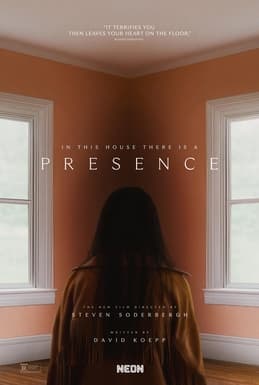
Presence and the Ghost POV Soderbergh Trusted
Steven Soderbergh shot a haunted house film entirely from the ghost's point of view. The formal constraint should not work. It does, and the reasons are technical.
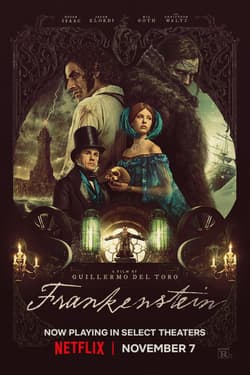
Frankenstein Cost $120 Million and Played Like a Secret
Del Toro's Frankenstein is built in two halves that only work if you sit through both in one go. Netflix released it as something you can pause.

The Electric State and What $320 Million Cannot Buy
Netflix reportedly spent around $320 million on The Electric State. The film that came out the other end is the clearest argument yet against frictionless money.