Problemista: Julio Torres's Visa Fable
Julio Torres's 2024 debut feature is a specifically strange American indie about a Salvadoran immigrant, a specifically difficult art-world widow, and a specifically failing visa petition. It is also, quietly, great.
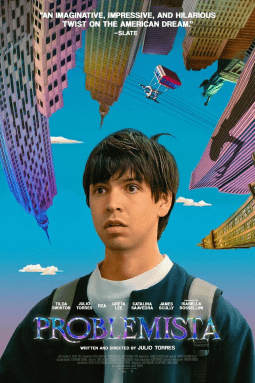
Poster / promotional material via Wikipedia, Problemista. Used under fair use for the purpose of criticism and review.
Julio Torres, who wrote for Saturday Night Live and created the HBO series Los Espookys, made his feature-directing debut with Problemista in 2024. The film was distributed by A24 in a specifically slow theatrical rollout (January limited, March wide) and grossed approximately $4 million in the US.
I am writing about it now, a year and a half out, because I have continued to think about it, and because the film’s specific strangeness has, in the interim, become part of its appeal.
What the film is
Alejandro (Julio Torres) is a Salvadoran immigrant living in New York on a specifically precarious visa. He is a specifically aspiring toy designer whose specific portfolio features inventive concepts (a slinky with specific anti-climb features, a specific Cabbage Patch doll with visible fingerprints) that Hasbro has repeatedly declined. To maintain his legal status, he needs employer sponsorship for a specific work visa within a specific time window. His current employment has collapsed. His time is running out.
He finds, almost by accident, specific work as an assistant to Elizabeth (Tilda Swinton), a specific widowed art critic who is attempting to assemble a specific retrospective exhibition of her dead artist husband’s egg paintings. Elizabeth is specifically difficult: demanding, specifically chaotic in her professional habits, specifically cruel in specific unpredictable ways. She promises Alejandro that she will sponsor his visa if he helps her put together the exhibition. Across the film, Alejandro attempts to hold the specific arrangement together long enough to survive legally.
What Torres is doing
The film’s specific visual register is, for lack of a better term, specifically Torres. His previous work (particularly Los Espookys) has established a specific aesthetic of specifically handmade fantasy: low-budget practical effects, specifically bold graphic design, specific willingness to stage deliberately absurd visual tableaux. Problemista extends this aesthetic to feature length.
Specific sequences stage Alejandro’s visa bureaucracy as a specifically fantastical landscape: a literal hourglass filled with specifically approaching sand, a specifically labyrinthine physical space representing Craigslist, a specific dragon (voiced by Isabella Rossellini) guarding the cave of specific financial salvation. These sequences are specifically not meant as realism. They are visualisations of what the bureaucratic experience feels like.
This is a formal choice that could easily have been too cute. Torres avoids the cuteness trap by committing to the underlying emotional stakes. The visa situation is genuinely dangerous for Alejandro. The specifically whimsical visual treatment is not a softening of the stakes. It is the specific way a person under constant bureaucratic threat imagines the threat to himself in order to survive imagining it.
Tilda Swinton, doing what she does
Tilda Swinton’s Elizabeth is the specific engine of the film. Swinton has, across her career, specialised in specifically difficult female characters whose difficulty is treated with specific seriousness rather than specific satire. Elizabeth is in this tradition. She is specifically insufferable. She is also specifically lonely, specifically desperate, specifically attempting to preserve the legacy of a dead husband who may not have deserved the preservation.
Swinton plays the character without tipping into camp. Elizabeth is, throughout the film, a specific human being doing specifically understandable things from a specifically difficult position. Her specific cruelty to Alejandro is real. Her specific dependence on him is also real. The film’s specific argument is that these two facts coexist and that Alejandro has to navigate both simultaneously.
The visa system as subject
I want to flag the film’s specific political content. Problemista is, underneath its specifically whimsical surface, one of the most honest recent American films about the specific experience of living on a precarious work visa. The specific terror of needing employer sponsorship, the specific pressure to tolerate exploitative employers because the alternative is deportation, the specific time-bound nature of every employment decision: these are depicted with specific accuracy.
The film is not specifically didactic about this. It does not feature a monologue about the unfairness of American immigration policy. It simply shows, across the running time, what the specific experience actually is. The specific visual whimsy coexists with the specific political seriousness. The film trusts the viewer to notice both.
The narration
Isabella Rossellini narrates the film in a specific omniscient third-person voice that occasionally addresses the audience directly. The narration is the film’s riskiest formal choice. It could easily have been twee. Rossellini’s specific voice, which has a particular dry authority the film benefits from, makes the narration work. Her specific delivery carries the film’s specific fabular register without undermining the emotional stakes.
Where it sits
Problemista is, at this point, an under-seen film by a filmmaker who is, in my view, one of the specifically interesting new American voices. Torres’s next project has not been publicly announced. I hope he continues to make features at this specific register.
The film’s longer afterlife will be on streaming (Amazon Prime Video), where its specifically peculiar aesthetic may accumulate an audience that the theatrical release did not reach. Watch it when you are specifically in the mood for something strange. The strangeness is the film’s specific gift.
Jules writes the kind of pieces that come from wandering somewhere and overhearing something. On Frame Junkie's masthead since the beginning.
MORE BY JULES OKONKWO →
Dream Scenario: Borgli's Cage Vehicle as Media Critique
Kristoffer Borgli's A24 feature used Nicolas Cage as the vehicle for a media satire that landed in late 2023 and has aged, through 2024 and into 2025, into a specifically sharper object than the reviews initially registered.
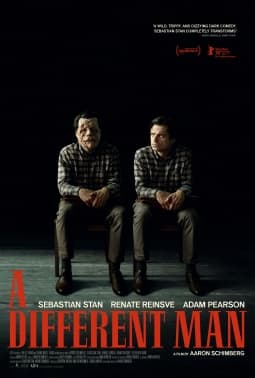
A Different Man: Aaron Schimberg's Face-Swap Comedy
Aaron Schimberg's 2024 comedy about an actor who gets a medical procedure and regrets it is the year's strangest mid-budget indie, and the one whose specific comic machinery I keep returning to.
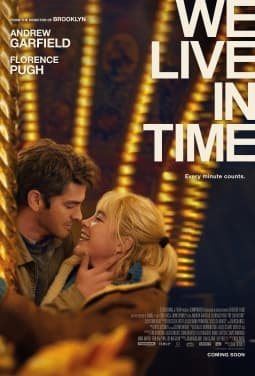
We Live in Time: Crowley's Non-Linear Gamble
John Crowley's third collaboration with A24 runs the ten-year relationship in a non-linear shuffle, and the shuffle is what makes the film survive its cancer-drama premise. Just barely, but it does.