A Different Man: Aaron Schimberg's Face-Swap Comedy
Aaron Schimberg's 2024 comedy about an actor who gets a medical procedure and regrets it is the year's strangest mid-budget indie, and the one whose specific comic machinery I keep returning to.
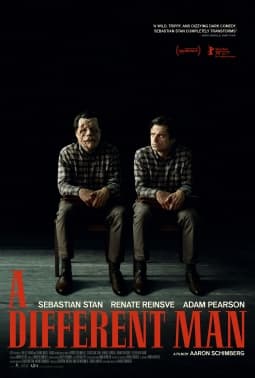
Poster / promotional material via Wikipedia, A Different Man. Used under fair use for the purpose of criticism and review.
Aaron Schimberg has, across three features, become one of the more specifically disciplined American indie filmmakers working in any register. His first feature Go Down Death (2013) was a genuinely strange black-and-white period piece. Chained for Life (2018) was a specifically inventive comedy about the ethics of filming facial difference. A Different Man (2024) is his best film, and the one whose specific comic machinery I find myself returning to repeatedly.
What the film is
Edward (Sebastian Stan) is an actor in New York with neurofibromatosis, a condition that has given him a specifically visible facial difference. He is cast mostly in small parts in corporate training videos and adjacent low-profile work. He lives in a specifically modest apartment. He is, the film establishes efficiently, specifically lonely.
He participates in an experimental medical trial that, across specific months, gradually removes the physical features of his neurofibromatosis and leaves him with a conventionally handsome face. The transformation is complete. Edward then, instead of becoming the specifically more successful version of himself he had anticipated, finds that his actual psychological and professional problems were not, as it turns out, caused by his face.
The film’s specific comic engine activates when Oswald (Adam Pearson), an actor who genuinely has neurofibromatosis, enters the narrative. Oswald is, specifically, everything Edward hoped to become after his procedure: charming, professionally successful, romantically confident, socially adept. Oswald’s face is the face Edward used to have. Edward’s new face, it turns out, is not what was actually limiting him.
What Schimberg is doing
The film’s specific operation is a two-part comedic thesis. First part: a conventional-pretty face does not solve the problems of a specifically damaged interior life. Second part: the person whose physical appearance you envied was, all along, the person you could have been without the appearance.
This is a specifically uncomfortable thesis to film. Schimberg films it anyway, with specific attention to Edward’s increasingly desperate attempts to understand why his life is not improving and why Oswald’s parallel life seems to be proceeding specifically well.
The Stan performance
Sebastian Stan’s performance as Edward is the specific technical achievement of the film. Stan plays the pre-procedure Edward in specifically-designed prosthetic makeup that approximates neurofibromatosis. He plays the post-procedure Edward without the prosthetic, as himself. The two performances are, specifically, different: post-procedure Edward moves differently, speaks differently, holds himself differently, even though the specific psychological content of the character is unchanged.
The performance is doing something genuinely interesting about the relationship between self-image and physical presentation. Pre-procedure Edward’s specific physical mannerisms are the adaptations of a person who has spent years being looked at and interpreted through the lens of his visible difference. Post-procedure Edward retains those mannerisms, incongruously, in a body that no longer warrants them. Stan plays the incongruity with specific care.
The Adam Pearson performance
Adam Pearson as Oswald is the film’s revelation. Pearson, an English actor with neurofibromatosis in real life, had previously appeared in Under the Skin (2013) and Chained for Life (Schimberg’s previous film). A Different Man is his first major leading role, and he is extraordinary.
Oswald is specifically charismatic in ways that make Edward’s entire premise collapse. He is witty, self-assured, physically comfortable in every scene. He dates beautiful women. He performs off-off-Broadway theatre with skill. He is, the film keeps emphasising, specifically everything Edward imagined he could become after the procedure.
Pearson plays the charisma without a trace of showiness. Oswald is not performing. He is not compensating. He is simply, specifically, a functional and attractive human being, and his functionality is the specific rebuke to Edward’s entire narrative.
The Renate Reinsve sequence
Renate Reinsve, who broke through internationally in The Worst Person in the World (2021), plays Ingrid, a playwright neighbour of Edward’s who becomes the specific object of his post-procedure romantic attention. Reinsve’s performance, across specific key scenes, provides the film’s most formally interesting sequences.
Her character is writing a play about Edward’s pre-procedure life. She did not know Edward was ever different. Post-procedure Edward has to watch Ingrid cast and direct her play about a version of him that she does not know she has met. The specific dramatic irony is the film’s central comic engine, and Reinsve plays it with specific restraint.
Where it sits
A Different Man is, commercially, a specifically modest performer. It grossed approximately $2 million in its US theatrical run, which is typical for its budget tier and specifically modest for its Sundance Jury Prize win (Pearson received the Special Jury Award for his performance). The film has since been on streaming and has accumulated a specific critical-press secondary audience.
Schimberg’s next project, as of this writing, has not been publicly announced. I hope he continues to make films at this budget tier with this specific level of formal commitment. American indie cinema benefits from directors willing to operate on specifically uncomfortable premises with specific comic precision.
Watch A Different Man with a willingness to let the premise make you specifically uncomfortable. The discomfort is the point.
Marcus believes good criticism is an argument. He is almost always angry about something, usually for good reason. Horror is his first language.
MORE BY MARCUS VELL →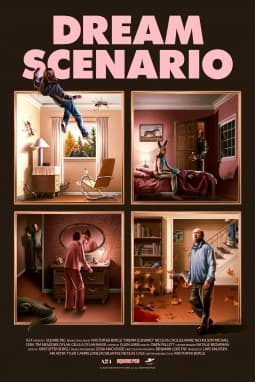
Dream Scenario: Borgli's Cage Vehicle as Media Critique
Kristoffer Borgli's A24 feature used Nicolas Cage as the vehicle for a media satire that landed in late 2023 and has aged, through 2024 and into 2025, into a specifically sharper object than the reviews initially registered.
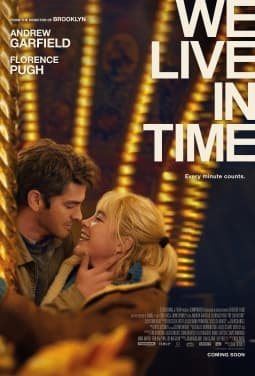
We Live in Time: Crowley's Non-Linear Gamble
John Crowley's third collaboration with A24 runs the ten-year relationship in a non-linear shuffle, and the shuffle is what makes the film survive its cancer-drama premise. Just barely, but it does.

Sorry, Baby: Eva Victor's Debut
Eva Victor's Sundance-premiering debut is the early breakout of the 2025 indie year, and a specifically careful film about a specifically difficult subject.