Terrifier 3 Confirms Damien Leone's Commitment to a Very Specific Bit
Damien Leone's third Art the Clown picture opened wide in October 2024 and outgrossed the usual horror release pattern by a factor most distributors would not have underwritten. The craft is why.
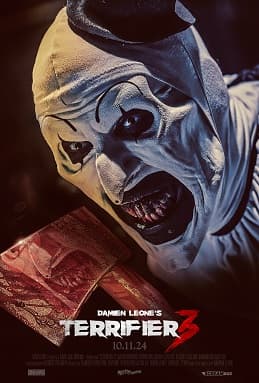
Poster / promotional material via Wikipedia, Terrifier 3. Used under fair use for criticism and review.
The third Terrifier opened theatrically on 11 October 2024 in roughly 2,500 North American screens, distributed by Cineverse, and earned approximately $18.9 million in its opening weekend against a reported production budget of around $2 million. It finished its domestic run with approximately $54 million and took about $90 million worldwide. These are not small-horror numbers. These are numbers most studio-backed horror titles do not hit.
I want to stake the position first, because the numbers invite a cute story. The cute story is that an unrated slasher about a mute killer clown beat a major studio release on a single October weekend and therefore something about the industry is broken. The cute story is not wrong, but it is not the whole story. The whole story is that Damien Leone has been building this specific franchise with specific craft across three films, and the third picture is the one where the craft and the audience finally meet at full scale.
What Leone actually does
Leone writes, directs, edits, and handles much of the practical make-up and gore effects on his own films. The credits confirm this across the three pictures. The workflow is closer to 1980s independent horror production than it is to the current studio-adjacent model where the director is one of ten listed department heads. What this produces on screen is a specific unity of tone that a by-committee horror picture struggles to replicate.
The Terrifier films are not frightening in the jump-scare register. They are frightening in the register of sustained, unhurried cruelty. Leone holds the camera on violence the way most modern horror cuts away, and he trusts the practical effects to bear the weight. The bearing is the point. The films are, at their worst, indefensible. At their best, which the third picture mostly is, they reach a specific register of dread that studio horror has not touched in roughly thirty years.
The Christmas conceit
The third film’s hook is that Art the Clown, the silent antagonist the series is built around, is loose at Christmas. Leone has talked in interviews about the deliberate pairing of the character with a holiday setting, and the pairing does specific work on screen. The film’s visual register borrows from the American Christmas-horror shelf (Silent Night, Deadly Night, Christmas Evil, the first Black Christmas) without miming any of them. The lighting is warmer than the second picture’s. The gore reads against tinsel and fairy lights rather than against the industrial-warehouse palette of the earlier films. The visual contrast is the joke the film commits to.
The decision gives Leone a specific set-piece engine. A mall sequence in the film’s middle stretch runs approximately twelve minutes without a meaningful cut to safety. A shower sequence midway through has been widely discussed for the specific violence of its extended duration. Both set-pieces depend on the holiday-commercial context for their irony. The shower scene would play differently on any other weekend. Leone knows this, and he plays the dates hard.
David Howard Thornton as the engine
Thornton has played Art across the three films, and the performance is what the franchise is built on. The character is silent. The character’s emotional register is conveyed entirely through physical work (posture, gesture, face, a specific range of silent-cinema mime training). Thornton is, in the specific technical sense, doing silent-film acting inside a modern gore picture, and the combination is rare.
What Thornton gets right that imitators would not is the specific comedic rhythm Art carries. The character laughs silently at his own cruelty. The laugh is expressed through shoulder shake, raised-eyebrow mugging, and a specific kind of stage-bow gesture between kills. The comedy makes the horror worse rather than better, because the audience is asked to sit with a killer who is enjoying himself in a register the film invites us to read as performative. Thornton does not break the register for three films. That sustained discipline across roughly five total hours of screen time is the franchise’s core craft achievement.
Lauren LaVera, and what the film gets right about sequel protagonists
Lauren LaVera’s Sienna Shaw carries over from the second picture and is now the series’ specific counter-weight to Art. LaVera plays Sienna in the third film as a woman who is not recovered from the second film’s events, and the performance registers her exhaustion without making it the whole scene. Horror sequels frequently under-serve their final-girl returns. LaVera is not under-served here. The film writes her a specific emotional and plot arc that the character earns, and LaVera carries it without either over-playing the trauma or letting the film’s violence erase it.
The scenes between Sienna and her institutionalised brother Jonathan (Elliott Fullam) carry most of the film’s non-horror weight. The brother material is the film’s structural gamble. A Terrifier sequel could have run a straight slasher programme for its 125 minutes and pleased its base. The choice to build a family-melodrama subplot into the middle of the film, and to commit to that subplot with specific actor work, is what lifts the third film above its predecessors.
What the budget allows
The reported $2 million budget is, by modern horror standards, very small. Leone and his production partner Phil Falcone have been explicit in interviews about what that scale enables. It enables the specific make-up and prosthetic workload the films require, because the schedule permits the specific number of hours the practical effects demand. It enables Leone to keep final cut. It enables a specific ratio of shooting days to setups that studio-scale horror cannot afford to match.
The $90 million global take against the $2 million cost is the specific number that has moved across the trade press, and the ratio will create pressure on the franchise’s next picture. Leone has stated in recent interviews that a fourth film is in development and that he is intending to keep the scale close to current levels rather than expand. This is the right instinct. The moment a Terrifier film costs $20 million is the moment it has to be something other than itself.
What the theatrical success signals
Cineverse’s distribution approach for the third film was closer to an event-cinema programme than to a wide horror release. The film opened unrated (Leone refused the MPAA edit that would have produced an R), which foreclosed several chain-advertising channels but raised the film’s specific-community visibility. Cineverse leaned on the series’ existing audience across horror-specialty media, and the opening weekend did the rest.
What the weekend signals is narrow rather than broad. It does not signal that horror is broken or that studios are leaving money on the table. It signals that a specific kind of unrated, practical-effects-centred slasher has a durable theatrical audience and that the audience will travel if the film respects the form. Studios cannot easily replicate Leone’s model because the model requires a director willing to do the specific work Leone does across every department, and most studio horror is not built that way.
The franchise problem
The specific risk the fourth film carries is exhaustion. Three pictures of Art the Clown is already beyond the point at which most slasher antagonists begin to repeat themselves. Leone has managed the escalation across the three films by specifically varying the structural approach (the first is lean, the second is baroque, the third is ensemble and melodrama-inflected). The fourth will need a similar variation or the format will begin to consume itself.
I am, against my instinct on franchises, reasonably optimistic. Leone has been disciplined about the series across a decade now, and he has not yet made the specific creative errors (overexposing Art, softening the violence to broaden the audience, adding unnecessary mythology) that kill this kind of project. If he continues to make the third film’s kind of specific, patient, craft-first decision, the fourth can work. If he takes the financing the third film’s numbers will bring and expands the scale, it cannot.
The position
Terrifier 3 is the best picture in the series and the one most likely to survive re-watching. It is not for everyone. It is, for the specific audience it has built, the most precise example of what practical-effects slasher horror can still achieve when the director is willing to do the work. The box office will occupy its own coverage. The film itself is the thing worth keeping an eye on, and it is worth keeping an eye on because Leone has, across three pictures, done what most independent horror fails to do. He has built a thing that holds together.
Marcus believes good criticism is an argument. He is almost always angry about something, usually for good reason. Horror is his first language.
MORE BY MARCUS VELL →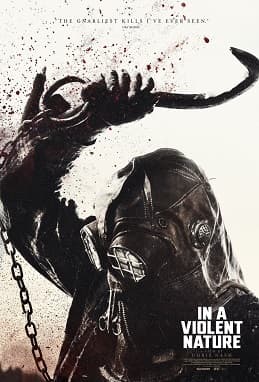
In a Violent Nature: The Slasher from the Wrong Side
Chris Nash's debut takes the slasher apart from the killer's point of view, and the radical formal choice is also the reason the film divides its audience. I want to argue for it.
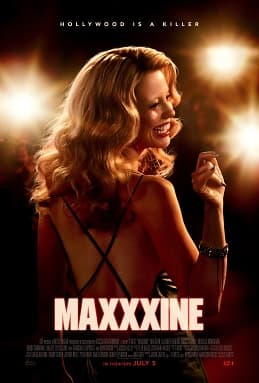
MaXXXine and the Trilogy Problem
Ti West closed his X/Pearl/MaXXXine trilogy in July 2024 with a film that tries to be several kinds of movie at once. A year later, only some of them worked.
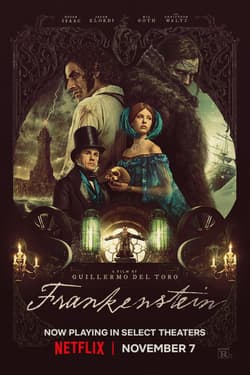
Frankenstein Cost $120 Million and Played Like a Secret
Del Toro's Frankenstein is built in two halves that only work if you sit through both in one go. Netflix released it as something you can pause.