Dream Scenario: Borgli's Cage Vehicle as Media Critique
Kristoffer Borgli's A24 feature used Nicolas Cage as the vehicle for a media satire that landed in late 2023 and has aged, through 2024 and into 2025, into a specifically sharper object than the reviews initially registered.
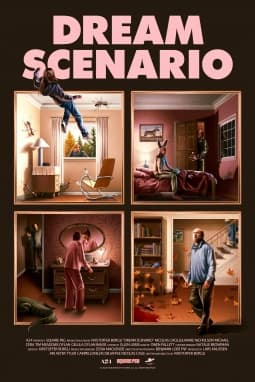
Poster / promotional material via Wikipedia, Dream Scenario. Used under fair use for criticism and review.
Dream Scenario opened in US theatres in November 2023, via A24. Kristoffer Borgli, the Norwegian director whose Sick of Myself (2022) had been a small specialty-release success the year before, directed from his own screenplay. Nicolas Cage starred, in what his agent had correctly identified as his most commercially accessible role since Pig (2021). The film grossed around $13 million globally. Its specific reviews were good rather than ecstatic.
I want to revisit the film here, patiently, because its specific critical reception has, across the subsequent fifteen months, shifted. The film’s particular argument about online fame, viral attention, and the specific way ordinary people become subjects of internet attention has clarified as the specific conditions the film was responding to have continued to evolve. The film is a sharper object now than it was at release.
What the film is
Paul Matthews (Nicolas Cage) is a middle-aged evolutionary-biology professor at a specifically small-tier American university. He has a wife, Janet (Julianne Nicholson), two teenage daughters, a specifically unremarkable domestic life. He has been, across his career, specifically under-recognised in his field; he has been planning, for years, to publish a book that his colleagues have quietly written off as unlikely to appear.
One day, Paul’s ex-girlfriend mentions that he has been appearing in her dreams. Then Paul’s daughter mentions the same thing. Then strangers begin approaching him in public. Within weeks, hundreds of thousands of people across the world are dreaming, uncontrollably, of a specific man who turns out to be Paul Matthews. He is, specifically, doing nothing in the dreams; he is simply appearing, passively, as a specific background figure.
The film’s first act tracks Paul’s specifically awkward ascent into viral recognition. The second act tracks his specific attempts to monetise the phenomenon through a marketing consultancy (Michael Cera plays the specific consultant). The third act tracks the shift, which I will not spoil in detail, in which the specific collective experience of Paul in dreams begins to change in character.
What Borgli is doing
Borgli’s specific project across Sick of Myself and Dream Scenario is the comedy of attention economics. Both films centre characters whose specific desire for public recognition becomes the mechanism of their specific social destruction. Sick of Myself did this through a specific medical self-sabotage. Dream Scenario does it through a specifically supernatural premise (the mass-dreaming) that operates as the specific allegorical engine for actual internet virality.
The specific formal choice that makes the allegory work is Borgli’s commitment to Paul’s specific register. Paul is not a bad person. He is not particularly vain. He is not seeking fame. The film refuses to punish him for desires he does not specifically have. What destroys Paul is not his specific character flaw but the specific structure of attention itself, which has no particular relation to the character or desires of the attention’s object.
This is the specific argument the film clarifies as it ages. At its 2023 release, the film read as a specifically comic take on viral fame. At this point, with the specific additional evidence of the last fifteen months of internet culture, the film reads as a specifically prescient diagnosis. The specific mechanisms it depicts (random collective focus on an ordinary person, the specific commercial attempts to capitalise on the focus, the specific way the focus can shift without warning into hostility, the specific permanent reshaping of the focussed person’s life) are the mechanisms the internet has continued to execute on specifically real people across the specific subsequent year.
The Cage performance
Nicolas Cage’s specific performance as Paul is the film’s primary technical achievement. Cage has, across his specific long career, oscillated between specifically contained performances (Pig, Leaving Las Vegas) and specifically unrestrained performances (Face/Off, Vampire’s Kiss, the specific middle period of direct-to-video work). Dream Scenario calls for the contained register, and Cage delivers specifically disciplined work.
Paul is specifically unremarkable. Cage plays unremarkable with specific care. The performance does not rely on Cage’s specifically large-register techniques. He is not doing the specific bug-eyed Cage. He is playing a specifically mild, specifically decent, specifically slightly-disappointed academic. The specific restraint is what makes the film’s allegorical argument possible. If Cage were playing Paul at a bigger register, the audience would read Paul’s viral ascent as specifically connected to Paul’s specific personality. Because Cage plays Paul small, the viewer reads the viral ascent as specifically structural: as something that has happened to Paul rather than something Paul has earned.
The specific comic beats Cage plays in the second act, as Paul attempts to leverage his viral attention into professional opportunities, are specifically deft. Paul’s specific awkwardness in the Michael Cera consultancy scenes is the film’s most legibly funny register. Cage is playing a man specifically out of his depth, in a specifically recognisable American middle-management way, and the specific humour is specifically observational rather than broad.
The supporting performances
Julianne Nicholson, as Paul’s wife Janet, gives the film its specific emotional anchor. Janet is a specifically complete character rather than a domestic-comedy foil. Her specific trajectory across the film, as her husband’s viral recognition increasingly affects her own specific life and the specific lives of their daughters, is the specific source of the film’s real emotional weight. Nicholson plays the specific incremental exhaustion of being married to the subject of mass public attention with specific naturalism.
Michael Cera, in the film’s specific satirical centrepiece as the marketing consultant Trent, is operating at the specific register of young-tech-professional smugness that the film requires. Trent is not a caricature. Cera plays him as a specifically sincere believer in the specific methods he is proposing, and the sincerity is the specific satirical target.
The dream sequences
Borgli’s specific handling of the dream sequences is formally restrained in ways that make the sequences specifically more effective than a showier approach would. The dreams are not staged as surrealist set pieces. Paul appears in dreams, usually doing nothing specific, often in the specific background. The specific banality of the dream-Paul is the specific joke. He is not a menacing figure. He is not a symbolic figure. He is specifically just Paul, showing up in other people’s dreams, unable to do anything about being there.
The film’s third-act shift, in which the dreams change character, is handled with specific tonal care. The shift is not announced. It is gradual. The viewer realises what has changed several scenes into the shift. This specific editorial discipline is the film’s most formally sophisticated move, and it is the work of Borgli and his editor (Benjamin Loeb, who also shot the film).
Where it sits
Dream Scenario will continue to be re-watched. It is the specific film about internet-era attention that the internet’s own specific historians will continue to return to, because its specific diagnosis has proven specifically durable. Borgli’s next project, which has been reported as another A24 collaboration, is worth waiting for. He is, at this point, one of the specifically more interesting satirical directors working in English-language cinema, despite English not being his specific first language.
Watch it alone, at night, with the specific willingness to recognise yourself somewhere in the specific attention-economics it is diagnosing. The film is specifically uncomfortable in ways that reward specific discomfort.
Priya came to criticism sideways from theatre. She is patient with slow shows, short with bloated ones, and cheerfully vicious about lazy writing.
MORE BY PRIYA NAIR →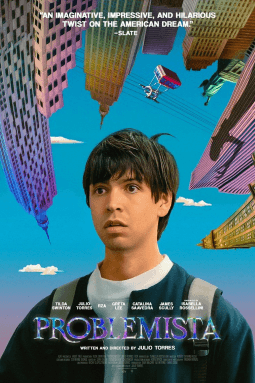
Problemista: Julio Torres's Visa Fable
Julio Torres's 2024 debut feature is a specifically strange American indie about a Salvadoran immigrant, a specifically difficult art-world widow, and a specifically failing visa petition. It is also, quietly, great.
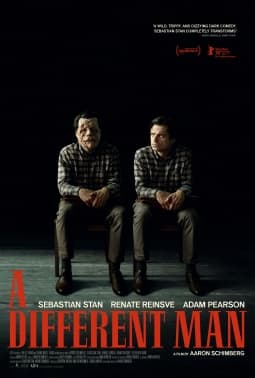
A Different Man: Aaron Schimberg's Face-Swap Comedy
Aaron Schimberg's 2024 comedy about an actor who gets a medical procedure and regrets it is the year's strangest mid-budget indie, and the one whose specific comic machinery I keep returning to.
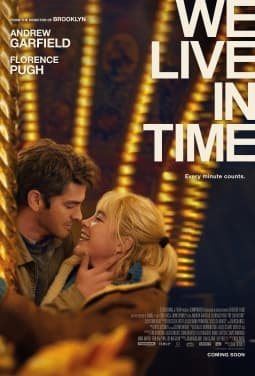
We Live in Time: Crowley's Non-Linear Gamble
John Crowley's third collaboration with A24 runs the ten-year relationship in a non-linear shuffle, and the shuffle is what makes the film survive its cancer-drama premise. Just barely, but it does.