Ghostlight: Community Theatre as Grief
Kelly O'Sullivan and Alex Thompson's 2024 indie is the specific small American film about grief that the specific small American film is specifically built to make. And rarely does this well.

Poster / promotional material via Wikipedia, Ghostlight (2024 film). Used under fair use for the purpose of criticism and review.
Ghostlight, the 2024 indie directed by Kelly O’Sullivan and Alex Thompson, received a specifically limited theatrical release from IFC Films in June 2024, collected a specific set of passionate reviews, grossed approximately $2 million, and quietly accumulated a specific reputation as one of the unambiguous indie achievements of the year.
I want to argue that the reputation is correct, and that the film is one of the best American indies of the specific 2024 slate.
What the film is
Dan (Keith Kupferer), a middle-aged Chicago construction worker, is in the specific aftermath of a family tragedy. The tragedy itself is, for the film’s opening hour, specifically unexplained. What the viewer can observe is that Dan is specifically depressed, specifically angry, specifically unable to communicate with his wife Sharon (Tara Mallen) or his teenage daughter Daisy (Katherine Mallen Kupferer), and specifically engaged in a specific legal proceeding whose nature the film only gradually reveals.
Into this situation walks Rita (Dolly de Leon), a local community-theatre member who witnesses Dan losing his temper at a construction site and, on impulse, invites him to an audition for a community-theatre production of Romeo and Juliet. Dan, specifically bewildered by the invitation, attends. He auditions. He is cast.
What follows is the specific effect of the production on his specific family.
What O’Sullivan and Thompson are doing
The film’s specific structural move is to allow the community-theatre rehearsals to serve as the specific site where Dan’s grief can be processed, without the film explicitly telling the viewer that this is what is happening. The Romeo and Juliet text specifically mirrors aspects of Dan’s situation in ways that the film trusts the viewer to notice. The rehearsals stage specific emotional beats that Dan cannot stage in his actual life.
This is a delicate formal operation. A less disciplined film would make the mirroring explicit, underline it in dialogue, and deliver the emotional payoffs through specific monologues. Ghostlight does none of this. The Shakespeare text is allowed to do its own work. Dan’s specific recognition of what the text is offering him is allowed to happen gradually, across the running time, in specifically oblique ways.
The Kupferer family casting
The specific casting choice worth naming: the film’s three lead performers (Dan, Sharon, and Daisy) are played by an actual Chicago family, Keith Kupferer, Tara Mallen, and Katherine Mallen Kupferer. The father-mother-daughter relationships on screen are the actual father-mother-daughter relationships of the cast.
This produces a specific texture that conventional casting cannot reproduce. The specific way the three of them move around each other in the family home, the specific shorthand of their domestic conversations, the specific tensions in the way they interact, are the textures of an actual family. Most family films have to construct these textures artificially. Ghostlight inherits them.
Katherine Mallen Kupferer’s performance as Daisy is, specifically, the film’s other anchor. Daisy is an angry teenager in the specific aftermath of the family’s tragedy. The performance is not, specifically, virtuosic. It is specifically real. She plays a teenager processing grief the way an actual teenager would.
The Dolly de Leon performance
Dolly de Leon, who broke through internationally in Triangle of Sadness (2022), plays Rita, the community-theatre member who draws Dan into the production. Her performance is the film’s specific comic-and-grave engine. Rita is funny. Rita is also specifically lonely in ways the film does not overplay. De Leon brings a specifically dignified weariness to the role that the film depends on.
The Romeo and Juliet parallels
I want to flag one specific formal achievement. The film’s use of the Romeo and Juliet text is not merely metaphorical. The specific scenes from the play that the community theatre rehearses are specifically chosen to reflect specific stages of Dan’s emotional arc. The film earns the parallel by committing to the Shakespeare text with specific attention.
The community-theatre production itself, which the film culminates with, is specifically performed. We see portions of it. The specific mediocrity of the production is part of the film’s honesty. This is not a polished professional theatre piece. It is a specific community production, with specific local amateur actors, with specific production-budget limitations. The film does not, at any point, romanticise the theatre work as larger than it is. That specific restraint is the film’s trustworthy centre.
Where it sits
Ghostlight will be remembered as one of the better indie dramas of 2024. Its specific commercial reception was modest but its specific critical reception has been strong. O’Sullivan and Thompson (who are partners, both in life and in filmmaking) are continuing to work in the indie space. I hope they continue to have the specific resources they need.
The film’s afterlife will be on streaming, where its specific quiet accumulation may find the audiences it deserves. Watch it when you have the specific emotional bandwidth for a film about processing family tragedy. The film does the specific work. Let it.
Jules writes the kind of pieces that come from wandering somewhere and overhearing something. On Frame Junkie's masthead since the beginning.
MORE BY JULES OKONKWO →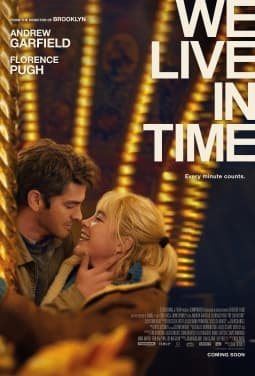
We Live in Time: Crowley's Non-Linear Gamble
John Crowley's third collaboration with A24 runs the ten-year relationship in a non-linear shuffle, and the shuffle is what makes the film survive its cancer-drama premise. Just barely, but it does.
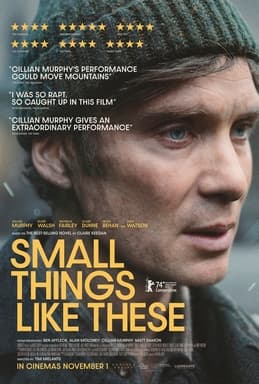
Small Things Like These: Murphy's Quiet Indictment
Tim Mielants's adaptation of the Claire Keegan novella was reviewed as a modest Cillian Murphy vehicle. The careful reading is that the film's restraint is the indictment, and the restraint is harder to film than the indictment would have been.
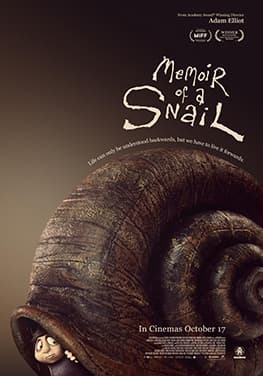
Memoir of a Snail: Elliot's Claymation Grief
Adam Elliot's second stop-motion feature took eight years to make and collected festival prizes from Annecy to Annapurna. The Australian argument is that his particular strain of misery-claymation is one of the country's more unusual exports.