Fallen Leaves: Kaurismäki's Deadpan Romantic
Aki Kaurismäki's 2023 film, out of retirement and better for it, is one of the shortest great films of the decade. An 81-minute case for the romantic comedy as serious cinema.
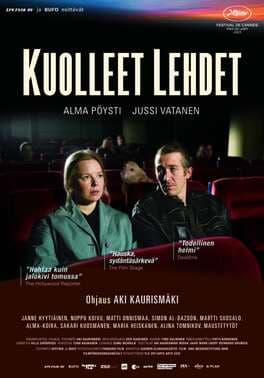
Poster / promotional material via Wikipedia, Fallen Leaves (film). Used under fair use for the purpose of criticism and review.
Aki Kaurismäki announced his retirement in 2017 after finishing The Other Side of Hope. He was 60 at the time. He had made, across four decades, approximately 20 feature films, including Shadows in Paradise (1986), Ariel (1988), The Match Factory Girl (1990), Drifting Clouds (1996), The Man Without a Past (2002), Le Havre (2011), and most of the Leningrad Cowboys films. He had been, across those decades, the specific custodian of a specific cinematic sensibility (deadpan, socialist, warm, specifically Finnish) that nobody else was quite capable of producing.
In 2023, he came out of retirement to make Fallen Leaves, a film that is, by several measurable metrics, his best work in twenty years.
I want to argue for it specifically.
What the film is
Ansa (Alma Pöysti), a Helsinki supermarket worker, is fired for taking an expired sandwich home to eat. Holappa (Jussi Vatanen), a Helsinki welder, loses his job following a drinking-related accident. Both are in their forties. Both live specifically lonely lives. They meet at a karaoke night. They begin, over the course of several short and specific encounters, to work out whether they could be together.
The film is 81 minutes long. It is also, I want to argue, one of the most complete films of the decade.
What Kaurismäki does
Kaurismäki’s specific cinematic grammar is distinctive enough that it barely needs description for anyone who has seen a Kaurismäki film before. The dialogue is sparse. The performances are deadpan. The framings are static and specifically composed, like paintings. The colour palette is specifically muted, dominated by yellows, reds, and greens that evoke specific mid-century interior design. The music is both diegetic (specifically bad Finnish karaoke) and extradiegetic (tango music, specifically Latin American tangos rendered in Finnish by specific cover artists).
These grammar elements are all present in Fallen Leaves. What is different, specifically, is the tonal warmth. Kaurismäki’s films have always contained warmth, but the warmth has often been obscured by the deadpan surface. In Fallen Leaves, the warmth is more visible. The film is, in its specific understated way, tender.
The war radio
One specific formal choice worth describing. Fallen Leaves is set in the present day (2023), and the film foregrounds the Russia-Ukraine war through a specific recurring motif: Ansa listens to Finnish radio news about the war across multiple scenes. The radio broadcasts are not dramatised or commented on. They play at specific natural volumes in the background of specific scenes, announcing specific casualty numbers and specific military developments.
The effect is that the war is specifically present in the film without the film being about the war. The romance Ansa and Holappa are conducting is happening in the specific moment of the war. The specific banality of their individual lives is backed by the specific catastrophe of the geopolitical one. Kaurismäki does not make this explicit. He simply lets the radio play.
This is one of the most dignified treatments of current-events content in any fiction film of the last several years. The radio does not force a political reading of the romance. The radio is simply there, as it would be in the specific lives the film depicts.
The two leads
Alma Pöysti as Ansa and Jussi Vatanen as Holappa are giving specifically extraordinary performances within the constraints Kaurismäki’s style imposes. Neither actor has much dialogue. Neither shows much conventional emotion. What they do, instead, is inhabit their specific characters with a specific full-bodied commitment that reads clearly even across the deadpan surface.
Pöysti’s Ansa is the specific emotional centre of the film. She plays a woman whose specific working-class isolation has produced a specific quality of careful self-management. She has, across years of loneliness, developed specific coping routines that keep her functional. When Holappa enters her life, she has to decide whether to modify the routines. The performance is built from very small physical adjustments that accumulate across the running time.
Vatanen’s Holappa is the comic counterweight. He is specifically sweeter than most Kaurismäki male leads, specifically goofier, specifically more vulnerable. The character’s drinking problem, which the film treats with characteristic Kaurismäki matter-of-factness, is the specific obstacle the romance has to navigate.
The dog
I want to mention the dog. The film contains a specific stray dog who becomes, across the second half, a specific supporting character. The dog is given, in the closing credits, a specific acknowledgment by name. The treatment of the dog is consistent with Kaurismäki’s specific long-standing pattern of including specifically dignified animal characters in his films. The dog is not a metaphor. The dog is a dog.
That the dog works is, in its specific small way, a demonstration of what Kaurismäki’s cinema is capable of when it is working at full form.
Where it sits
Fallen Leaves won the Jury Prize at Cannes 2023. It grossed approximately $7 million worldwide, which is a significant commercial outcome for a Finnish-language deadpan romantic comedy. It was Finland’s submission for the Academy Award for Best International Feature; it made the shortlist but did not receive a final nomination.
Kaurismäki has indicated, in post-release interviews, that he is considering whether to remain active as a filmmaker or return to retirement. I hope he remains active. There is no other filmmaker operating in this specific register, and Fallen Leaves demonstrates that he continues to have work to do.
Watch it in a single sitting. The film is 81 minutes. It deserves every minute of your attention.
Lena writes long-form essays on the films that will still be talked about in a decade. Previously at a defunct monthly whose name we do not speak.
MORE BY LENA ASHWORTH →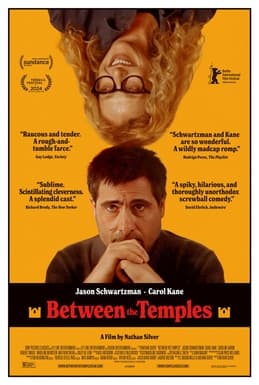
Between the Temples: Nathan Silver's Cantor
Nathan Silver's improvisational comedy about a grieving cantor and his retired music teacher is the specifically strangest American indie comedy in years. I keep coming back to it.
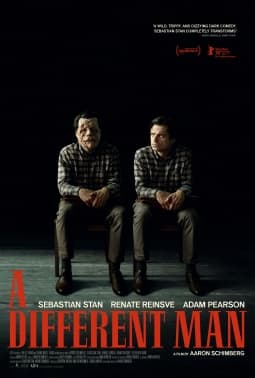
A Different Man: Aaron Schimberg's Face-Swap Comedy
Aaron Schimberg's 2024 comedy about an actor who gets a medical procedure and regrets it is the year's strangest mid-budget indie, and the one whose specific comic machinery I keep returning to.
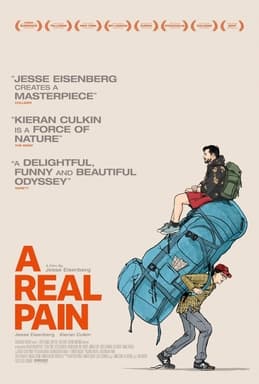
A Real Pain: Eisenberg's Cousins Movie
Jesse Eisenberg's second feature as director-writer is a specifically small, specifically patient Polish heritage-tour film, and the film it most resembles is a Broadway play that someone has somehow filmed correctly.