Between the Temples: Nathan Silver's Cantor
Nathan Silver's improvisational comedy about a grieving cantor and his retired music teacher is the specifically strangest American indie comedy in years. I keep coming back to it.
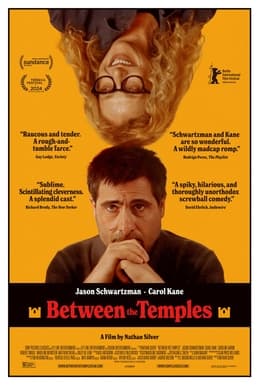
Poster / promotional material via Wikipedia, Between the Temples. Used under fair use for the purpose of criticism and review.
Nathan Silver has been making specifically idiosyncratic low-budget indies for fifteen years (Stinking Heaven, Thirst Street, Actor Martinez). None of them have broken through commercially. Between the Temples, his 2024 film, came closer than his earlier work. It is also, for my money, his best film, and the specific indie American comedy I keep returning to from the 2024 slate.
What the film is
Ben (Jason Schwartzman), a cantor at a small upstate New York synagogue, has recently lost his wife. Since her death, he has not been able to sing. This is, for a cantor, a specific professional crisis. He is living with his two mothers (the film does not explain the logistics beyond establishing that both women are his parents and they live together in one house) and is, across the film’s opening, specifically not recovering.
Into his life walks Carla (Carol Kane), his former middle-school music teacher, now in her seventies. Carla, recently widowed herself, has decided she wants to have her bat mitzvah, something her parents denied her as a child. She approaches Ben at the synagogue to be her tutor. Ben, specifically unwilling but unable to refuse, agrees.
The film is what follows. It is, structurally, a slow-burning romantic comedy about an age-inappropriate connection, but that description flattens what actually happens.
What Silver is doing
Silver’s working method is specifically improvisational. His scripts are specifically sketches that the cast is given substantial room to depart from. Between the Temples was shot in approximately three weeks, on 16mm film, with minimal takes. The specific texture of the performances is that of a cast specifically discovering their scenes in real time.
This produces a specifically shaggy film. Conversations run long. Characters interrupt each other with specific over-talking. Scenes end without specific dramatic closure. The film has a specific improv-theatre quality that most scripted American cinema does not attempt.
The Schwartzman performance
Jason Schwartzman, whose career has spent three decades in specifically arch-and-mannered indie comedy (the Wes Anderson films, Rushmore, Scott Pilgrim), is doing genuinely different work here. Ben is not specifically arch. Ben is specifically broken. Schwartzman plays the brokenness with a specifically unaffected directness I have not seen from him before.
The scene in which Ben finally breaks down at a Shabbat dinner with Carla and his mothers, which I will not spoil in detail, is Schwartzman’s best screen moment in years. He is crying. He is eating. He is specifically humiliating himself. He is also, in the specific way grief works, beginning to return to himself. Schwartzman plays all of this without the protective arch-register his previous work has relied on.
Carol Kane, Carol Kane
Carol Kane as Carla is the specific reason the film works. Kane has been one of the most specifically distinctive American character actors for fifty years, and Between the Temples gives her a proper leading role that her earlier career had mostly not offered.
Carla is, across the film, a specifically difficult character: loud, specifically inappropriate, specifically demanding, specifically refusing to be ignored. Kane plays her at full register. The character is not a sweet old woman. She is a specifically alive elderly woman with specific desires and specific sexual agency and specific refusal to be treated as less than she is.
The specific chemistry between Kane and Schwartzman, which is the engine of the film, is built on their specific comedic timing. They hear each other. They react to each other’s specific rhythms. The improvisational method Silver uses specifically rewards that kind of mutual listening.
The Shabbat dinner
The film’s centrepiece is a specifically catastrophic Shabbat dinner sequence running approximately twenty minutes. Ben’s mothers host Carla, a specific local rabbi’s daughter Ben has been pressured to date, the rabbi himself, and a specifically unexpected guest from Carla’s life. The dinner runs through a specific series of escalating social disasters. It is very funny. It is also specifically devastating.
The sequence is shot in specifically long handheld takes that the cast works through without cuts. The specific discomfort accumulates in real time. By the end of the sequence, the film’s central dynamics have shifted irreversibly.
Where it sits
Between the Temples grossed approximately $1.5 million in its US theatrical run, which is modest but specifically respectable for an indie at its distribution scale. The film has accumulated a specifically devoted audience on streaming (Amazon Prime Video) and in specific film-critical conversations.
Silver has indicated he is continuing to work in the improvisational-indie register. I hope he keeps having resources to do so. American indie comedy needs his specific commitment to the form.
Watch Between the Temples with the specific willingness to accept a film that will not behave. The Shabbat sequence is the specific peak. Everything around it rewards the surrender.
Jules writes the kind of pieces that come from wandering somewhere and overhearing something. On Frame Junkie's masthead since the beginning.
MORE BY JULES OKONKWO →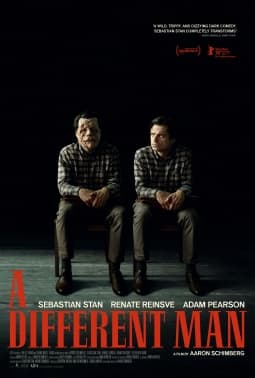
A Different Man: Aaron Schimberg's Face-Swap Comedy
Aaron Schimberg's 2024 comedy about an actor who gets a medical procedure and regrets it is the year's strangest mid-budget indie, and the one whose specific comic machinery I keep returning to.
A Real Pain: Eisenberg's Cousins Movie
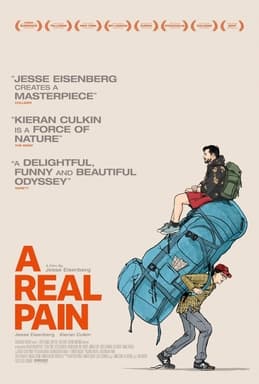
Jesse Eisenberg's second feature as director-writer is a specifically small, specifically patient Polish heritage-tour film, and the film it most resembles is a Broadway play that someone has somehow filmed correctly.
Fallen Leaves: Kaurismäki's Deadpan Romantic
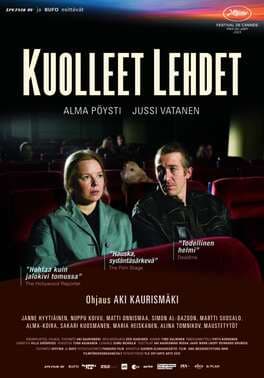
Aki Kaurismäki's 2023 film, out of retirement and better for it, is one of the shortest great films of the decade. An 81-minute case for the romantic comedy as serious cinema.