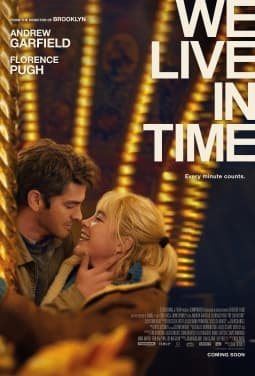
We Live in Time: Crowley's Non-Linear Gamble
John Crowley's third collaboration with A24 runs the ten-year relationship in a non-linear shuffle, and the shuffle is what makes the film survive its cancer-drama premise. Just barely, but it does.
77 pieces

John Crowley's third collaboration with A24 runs the ten-year relationship in a non-linear shuffle, and the shuffle is what makes the film survive its cancer-drama premise. Just barely, but it does.

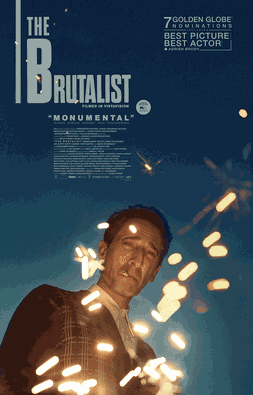
A year after The Brutalist swept its technical categories and divided audiences, its length has stopped looking like a gamble and started looking like the point. An argument for the long film in a short-film decade.

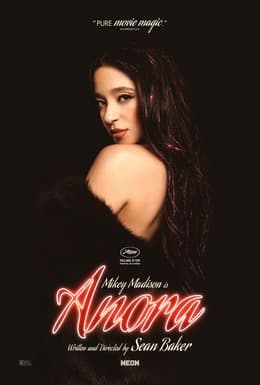
A year after Sean Baker's fourth feature took five Oscars including Best Picture, the predictable backlash has arrived on schedule. Here's why the Academy, improbably, got it right.

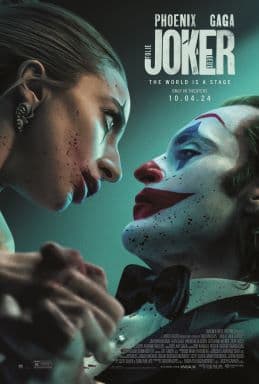
Eighteen months after Todd Phillips' much-hated sequel opened to a $37 million weekend and a 30% audience score, it is time to autopsy the corpse. The film isn't good. It also isn't quite what you've been told.

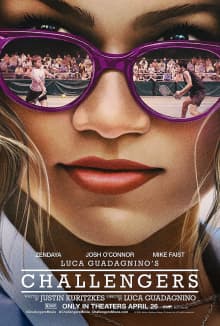
Two years after Challengers arrived in its pastel pressure-cooker, the film's trick is clearer: it is not really about tennis. It is about what love looks like when three people are too competitive to admit they love anything but competition.
Eva Victor's Sundance-premiering debut is the early breakout of the 2025 indie year, and a specifically careful film about a specifically difficult subject.

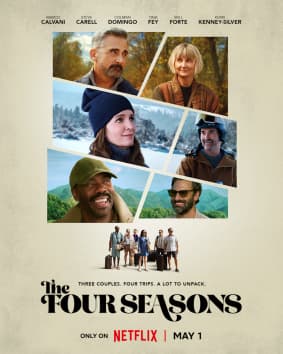
Tina Fey's adaptation of the 1981 Alan Alda film is a show about three couples, four vacations, and what middle-aged friendship sounds like when nobody is performing for an audience.

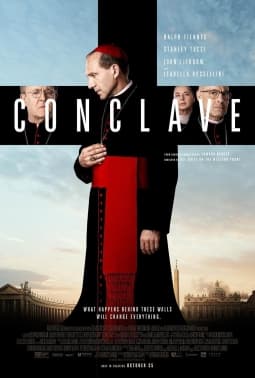
Fifteen months after Conclave's surprise commercial run, Edward Berger's Vatican procedural still feels like an argument from another era of filmmaking. The genre it quietly revived, the talk movie, is worth examining.

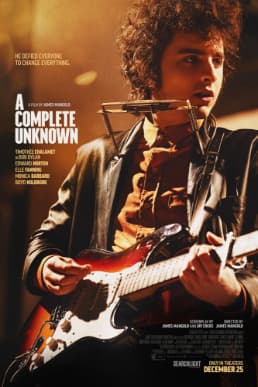
A year after James Mangold's Dylan biopic arrived in the middle of a tired genre, the film's decisions keep looking smarter. An argument for the underrated music biopic of the decade.

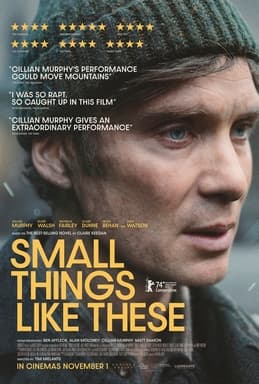
Tim Mielants's adaptation of the Claire Keegan novella was reviewed as a modest Cillian Murphy vehicle. The careful reading is that the film's restraint is the indictment, and the restraint is harder to film than the indictment would have been.
Eleven months after Severance returned, the second season's structural gambles are clearer. The show's patience has always been its argument; the real question is whether that argument still scales.
Jonathan Tropper's Apple series gave Jon Hamm a part he has been waiting a decade for. The show itself is a more complicated object.

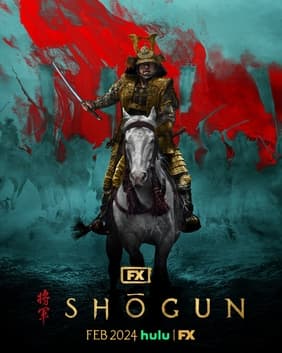
Fifteen months after Shōgun's historic Emmy sweep, and with a second season confirmed, it's worth asking what the show changed about prestige TV, and what it didn't.

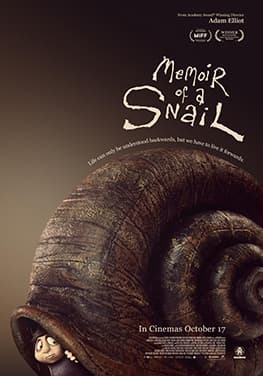
Adam Elliot's second stop-motion feature took eight years to make and collected festival prizes from Annecy to Annapurna. The Australian argument is that his particular strain of misery-claymation is one of the country's more unusual exports.

Eighteen months after The Bear's third season landed to the worst reviews of its run, the season has quietly become the one I most want to rewatch. An argument for the slow, prickly middle chapter.

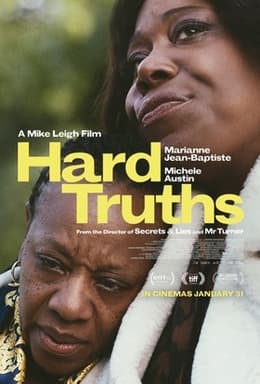
Mike Leigh's first film since 2018 reunited him with Marianne Jean-Baptiste for a character study of sustained anger. The argument is that the film is one of his best, and the conditions that produced it are the ones his method has been waiting to find.

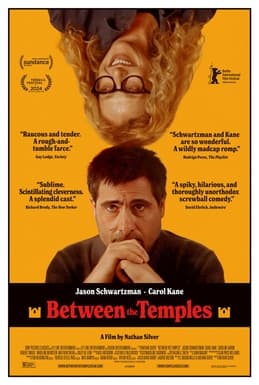
Nathan Silver's improvisational comedy about a grieving cantor and his retired music teacher is the specifically strangest American indie comedy in years. I keep coming back to it.

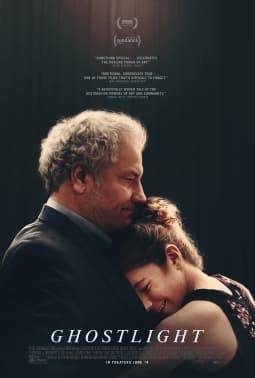
Kelly O'Sullivan and Alex Thompson's 2024 indie is the specific small American film about grief that the specific small American film is specifically built to make. And rarely does this well.

A year after Industry's third season brought Kit Harington and a green-energy IPO into the show's London trading floor, the season looks like the moment the show became the best finance drama in TV history.
A year on from Season 4, Slow Horses is still the most consistently-good spy drama on television. An argument for the show that has quietly become one of the best.

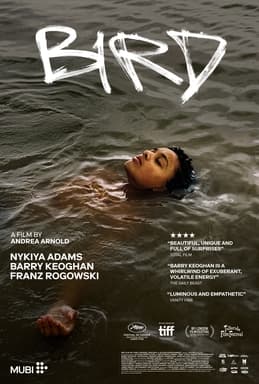
Andrea Arnold's fifth feature split the reviews, and the split was real. The retrospective argument is that the film's unexpected magical turn is not a failure of the social-realist grammar, it's what the grammar was always walking toward.

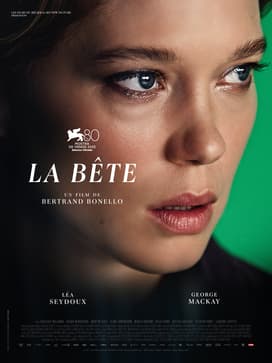
Bertrand Bonello's 2023 film, released in the US in April 2024, is the strangest and most formally ambitious film I saw in either year. An argument for the specific dread of being alive in multiple decades at once.

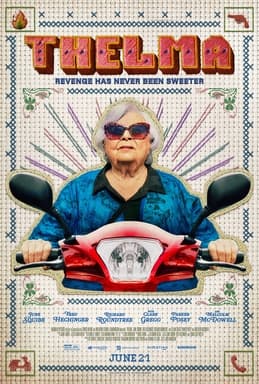
Josh Margolin's debut feature gave June Squibb her first leading role at 94. It was not a stunt. It was a film.
Dan Fogelman's Paradise uses a first-episode reveal as a structural argument. The reveal works; what the show does with it is the interesting part.

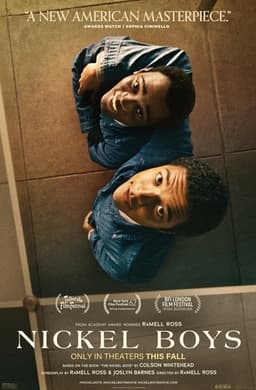
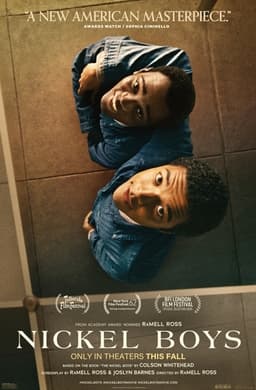
RaMell Ross adapted Colson Whitehead's Pulitzer-winning novel through a first-person camera almost continuously across two hours. The argument is that the formal gamble is the adaptation, and the adaptation is, so far, the film of the awards year.

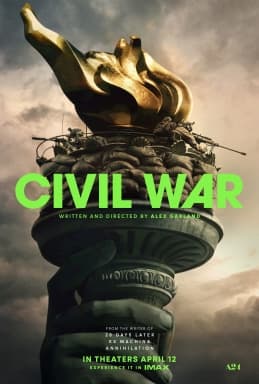
Alex Garland made a film about an American civil war and deliberately stripped out the politics. A year and a half later, the emptiness in the middle of Civil War is not a choice to respect. It is the thing that breaks the film.

Tony Gilroy's second and final season of Andor is the most disciplined piece of franchise television anyone has produced. It is also an argument about what franchise television could have been.

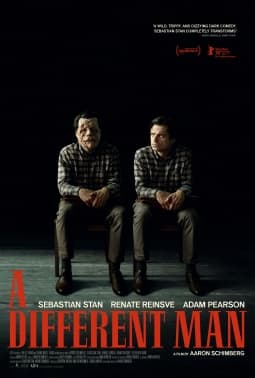
Aaron Schimberg's 2024 comedy about an actor who gets a medical procedure and regrets it is the year's strangest mid-budget indie, and the one whose specific comic machinery I keep returning to.

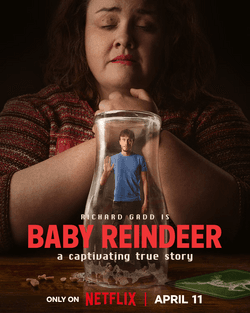
Richard Gadd's seven-episode autobiographical drama was the TV moment of spring 2024 and the legal controversy of summer 2024. A year later, the show itself is still the best argument for why it exists.

Pablo Larraín's third and probably final entry in his trilogy of distressed-woman biopics is the most formally certain of the three, and the one least willing to flatter its subject.

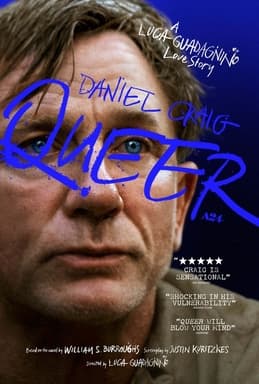
Guadagnino's second film of 2024 was the quieter one, the one with the more difficult source material, and the one that has settled, a year later, as the more specifically strange.

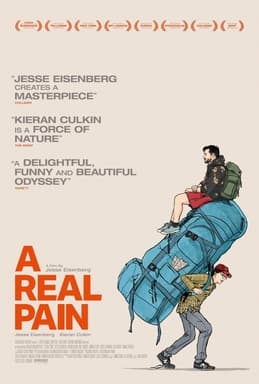
Jesse Eisenberg's second film as director is a tightly written cousins-on-a-trip movie that uses its ninety minutes to say something particular about inheritance, grief, and the specific tolerances of family.

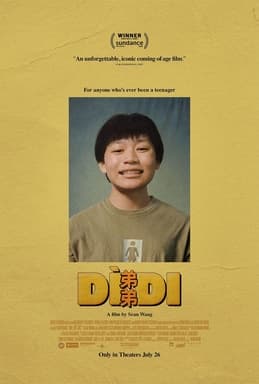
Sean Wang's 2024 debut feature is one of the best American coming-of-age films in years. Specifically about being thirteen, Taiwanese-American, and on MySpace in 2008.

Jesse Eisenberg's second feature as director-writer is a specifically small, specifically patient Polish heritage-tour film, and the film it most resembles is a Broadway play that someone has somehow filmed correctly.

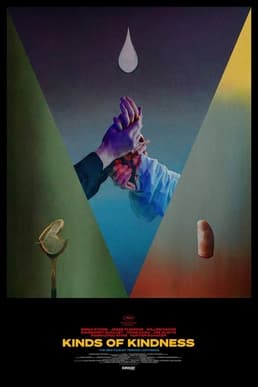
A year on from Lanthimos' three-part anthology, the film reads cleaner than the reviews made it sound. An argument for what happens when a director stops worrying about being liked.

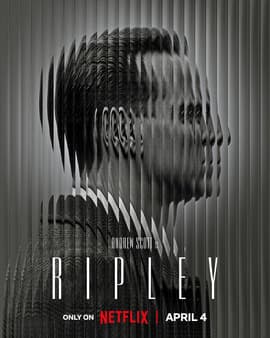
Steven Zaillian's eight-episode Netflix adaptation of Patricia Highsmith was the quiet prestige show of April 2024. A year later, its patience has only looked smarter.

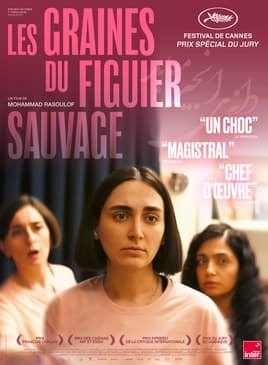
Mohammad Rasoulof shot the film in secret, fled Iran during post-production, and arrived at Cannes with a three-hour domestic thriller about a judiciary father and his protesting daughters. The retrospective argument is that the long cut is the cut.

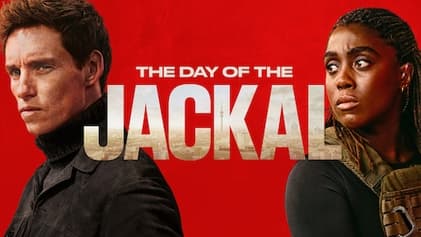
Sky and Peacock's Jackal adaptation stretched the Forsyth novel across ten episodes and bet the show on Eddie Redmayne's stillness. The bet paid off, mostly.

RaMell Ross adapted Colson Whitehead's Pulitzer novel by refusing the one thing most literary adaptations insist on. The camera is the character, and the choice changes what the film can do.

A year after Hacks Season 3 landed, the show is quietly one of the best ongoing comedies on television. An argument for the series whose cruelty keeps getting better-calibrated.

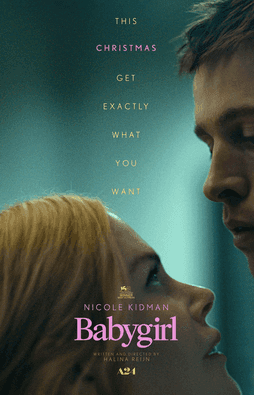
Halina Reijn's erotic drama returned a genre the American studios had given up on, and gave Nicole Kidman the kind of role the mid-budget adult film had stopped being able to produce.

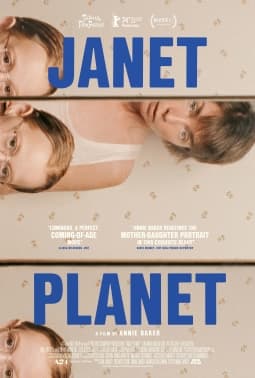
Annie Baker's film debut is the rare coming-of-age film that refuses every coming-of-age convention. Just a specific eleven-year-old and her specific mother, one summer in western Massachusetts, 1991.

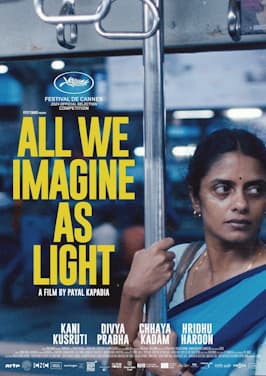
Payal Kapadia's Cannes Grand Prix winner was received, on its US release, as the decade's strongest import from Indian indie cinema. The re-reading is that the film is even stranger, and more formally considered, than the initial reception allowed.

Graham Yost's second season of Silo split its story across two bunkers and asked viewers to wait. The waiting is the show's argument, and also its risk.

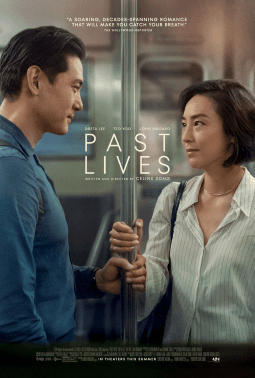
Two Oscar nominations, a slow-burn awards run, and a second viewing at home. Celine Song's debut keeps revealing itself. An argument for the film that refuses its own climax.

A year after The Penguin finished its run on HBO, the show is a strong argument for what the superhero universe can still do on television when nobody makes it wear tights.

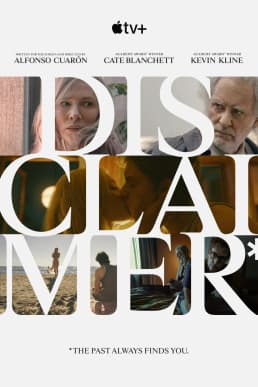
Alfonso Cuarón's seven-part thriller on Apple TV was the prestige-TV arrival of October 2024. A year out, the shape of what went wrong is clearer.

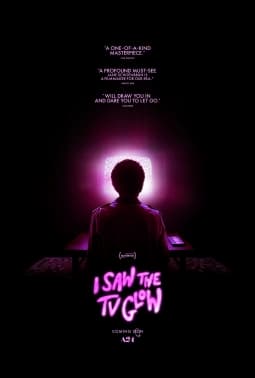
Jane Schoenbrun's sophomore feature played small in theatres, spoke loudly to the audience it was made for, and kept speaking afterwards. A year later, it is still teaching viewers how to be seen.
Debora Cahn's second season ran six episodes and handed its final scene to Allison Janney. The compression changed what the show is.

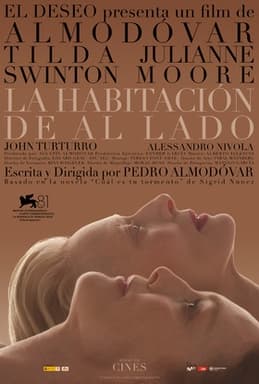
Almodóvar's first English-language feature is the film he has spent his whole career preparing to make. A year later, the patience was worth waiting for.

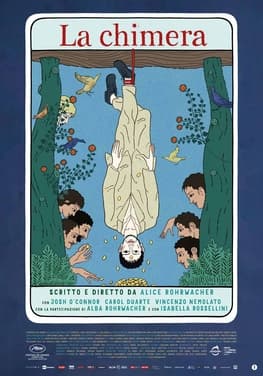
Alice Rohrwacher's 2023 film about a British grave-robber in 1980s Italy is the kind of quiet, strange, specifically rewarding film that the American art-house circuit was once built to deliver. It still can.

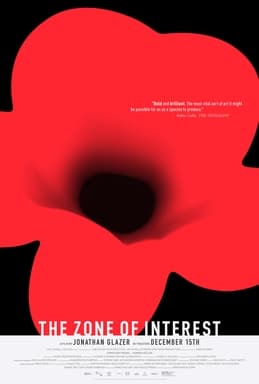
Jonathan Glazer's Holocaust film works by almost never showing us the Holocaust. Two years out, the sound design is still one of the most radical formal choices of the decade.

Mike Schur's Netflix show placed Ted Danson inside a retirement community as an amateur investigator. The premise is a disguise for the comedy Schur has been moving toward for a decade.

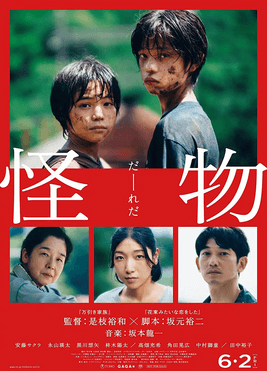
Hirokazu Kore-eda's 2023 film, released in the US in late 2023 and on streaming through 2024, is a specifically disciplined three-act structural experiment. Also, quietly, one of the most important queer films of recent cinema.

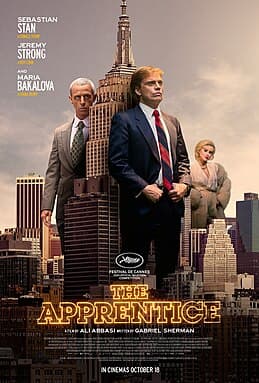
Ali Abbasi's Trump origin story arrived in American theatres three weeks before the 2024 election, flopped, and has barely been discussed since. The film deserved better.

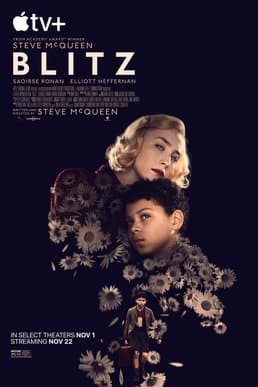
Steve McQueen's first feature since Small Axe attempts a sprawling wartime mural of London. The mural mostly works. The boy at its centre is the reason it sometimes does not.

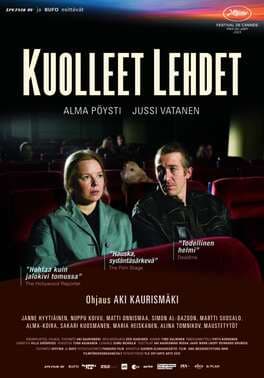
Aki Kaurismäki's 2023 film, out of retirement and better for it, is one of the shortest great films of the decade. An 81-minute case for the romantic comedy as serious cinema.
Taylor Sheridan's Landman arrived in November 2024 as his fifth active series for Paramount. The show is good enough in places and overextended everywhere, and the overextension is the company strategy.

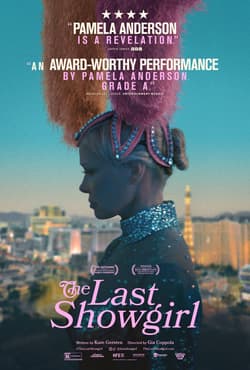
Gia Coppola's third feature hands Pamela Anderson a role that asks almost nothing performative of her, and asks everything else. The restraint is the thesis.

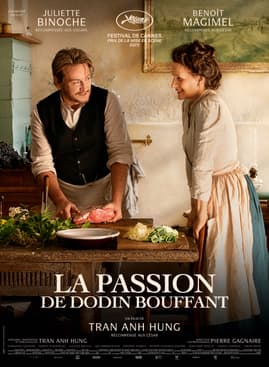
Tran Anh Hung's 2023 film, released theatrically in February 2024, is the best film about food and cooking since Babette's Feast. It is also a deeply disciplined romance in disguise.

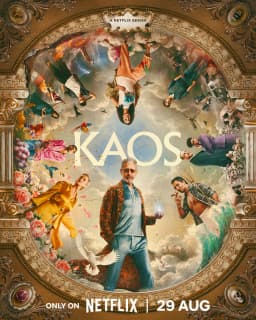
Charlie Covell's Greek-myth reworking arrived on Netflix in August 2024 and was cancelled a month later. The show deserved better, and the cancellation revealed something specific about Netflix's renewal math.

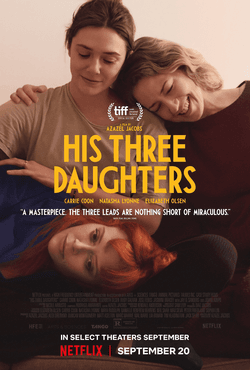
Azazel Jacobs built a three-hander around a Manhattan apartment, three sisters, and a dying father in the next room. The film is much better than Netflix's release pattern suggested.

ABC's High Potential premiered in September 2024 to the strongest broadcast numbers of the season and built from there. The show is a throwback in ways that reveal what streaming has quietly stopped doing.

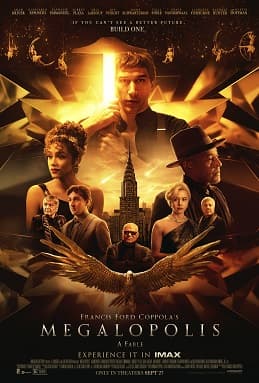
Francis Ford Coppola self-funded his first film in thirteen years. It is nearly unwatchable in specific places and almost-great in others. The project is the point.

House of the Dragon's second season ended earlier this month. After eight episodes that often circled material without advancing it, the season is a specific diagnostic.

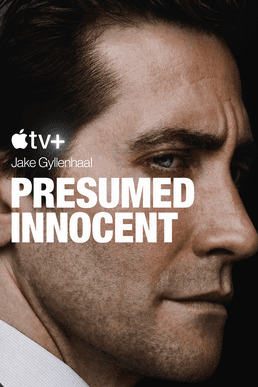
Apple's Presumed Innocent is not a radical show. It is a competent one, and competent legal drama has become rare enough that the competence is worth noting.

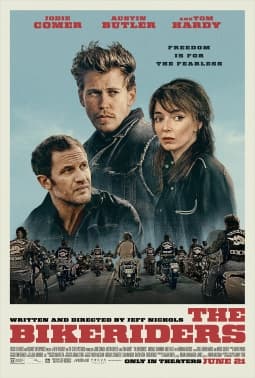
Jeff Nichols' motorcycle-club drama was held up by distribution chaos for a year, then released in a summer that did not know what to do with it. A case for the slower film.

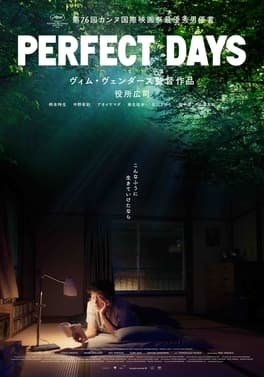
Wim Wenders' film about a Tokyo toilet cleaner is the quietest great film of the year. An argument for the discipline of the ordinary.
Park Chan-wook's HBO adaptation of Viet Thanh Nguyen's novel is the most formally audacious prestige TV of the spring. A show about duality delivered by a director who specialises in it.

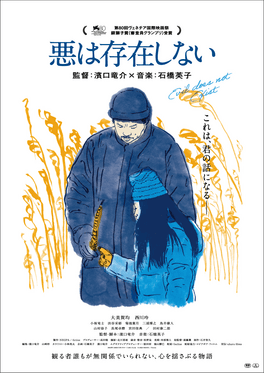
Ryusuke Hamaguchi's follow-up to Drive My Car is the quietest major film of the year. An argument for the patience the film requires and rewards.

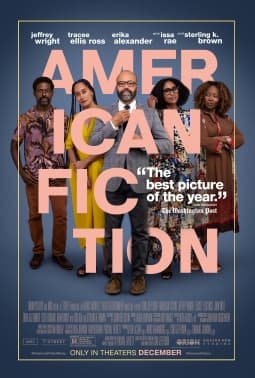
Cord Jefferson's debut feature is two films trying to be one. The surprise, two months into its run, is that both films work.

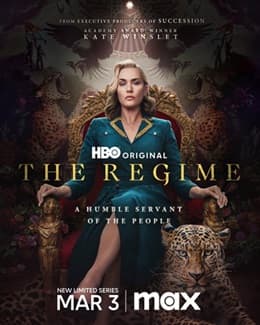
The Regime, the six-episode HBO political satire starring Kate Winslet, finished airing earlier this month. The show is a specific tonal experiment, and it is worth taking seriously.

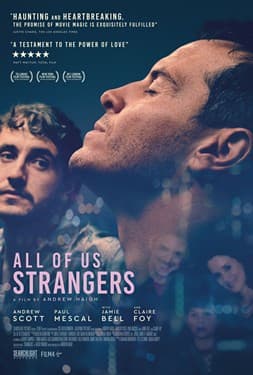
Andrew Haigh's film is a queer ghost story, a family reconciliation, and a grief piece. What it does with all three in 105 minutes is astonishing.

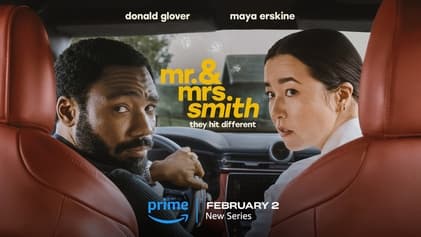
Donald Glover and Francesca Sloane's Amazon spy drama is not a remake. It is a character study dressed as a spy show, and it works because of what it refuses to be.

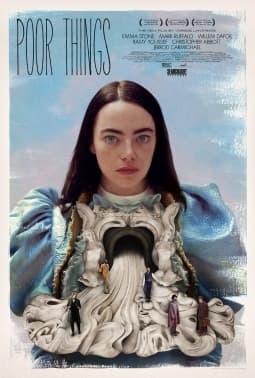
Emma Stone's performance as Bella Baxter does something almost no leading actress is allowed to do in a studio film: she becomes less polite, less articulate, less easy to root for, and the film rewards her for it.

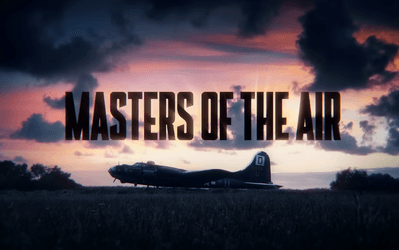
The third Spielberg-Hanks World War II series landed on Apple TV+ in January with enormous production ambition and uneven dramatic execution.

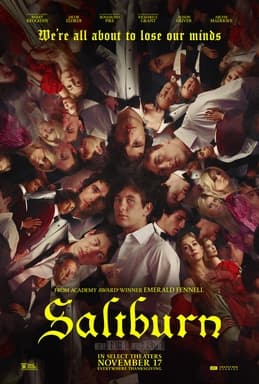
Emerald Fennell's second feature wants to be a class-war satire and a Brideshead pastiche and a body-horror provocation. It pulls off one of the three, sometimes two.