Wolf Man, Leigh Whannell, and the Universal Monster Problem
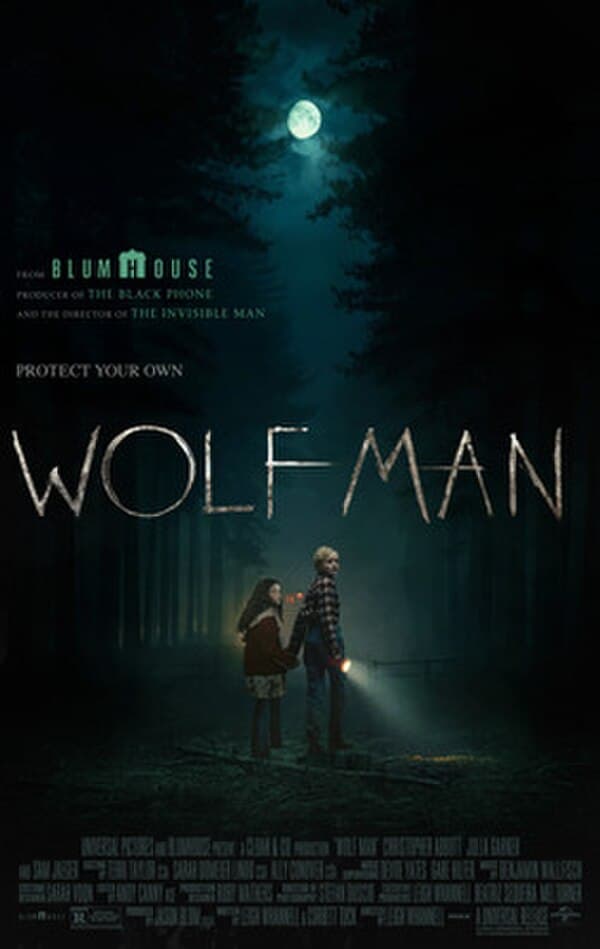
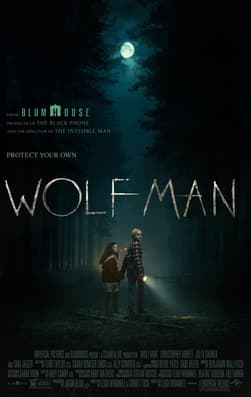
Leigh Whannell's January 2025 Wolf Man cost about $25 million and grossed about $36 million globally. The film is not the disaster the numbers suggest. The strategy around it is.
Marcus believes good criticism is an argument. He is almost always angry about something, usually for good reason. Horror is his first language.
Genre, cult, studio chaos, movies with knives in them.
56 pieces

Leigh Whannell's January 2025 Wolf Man cost about $25 million and grossed about $36 million globally. The film is not the disaster the numbers suggest. The strategy around it is.
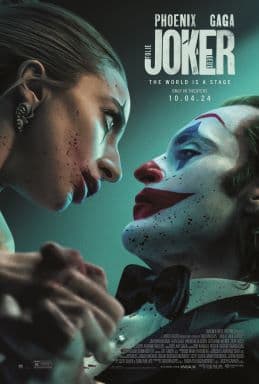
Eighteen months after Todd Phillips' much-hated sequel opened to a $37 million weekend and a 30% audience score, it is time to autopsy the corpse. The film isn't good. It also isn't quite what you've been told.

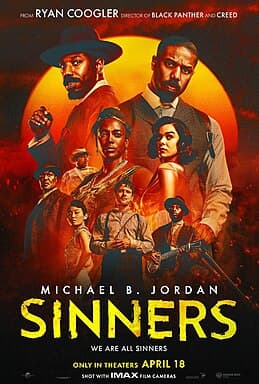
Ten months on, Ryan Coogler's 1930s Mississippi vampire film doesn't just still hold up, it looks like the clearest sign in years that the studio auteur movie is not dead. A field report from inside the juke joint.

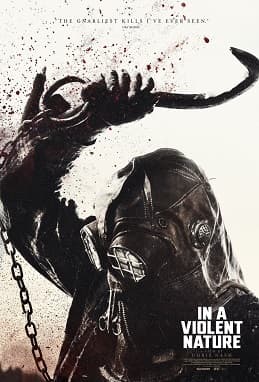
Chris Nash's debut takes the slasher apart from the killer's point of view, and the radical formal choice is also the reason the film divides its audience. I want to argue for it.

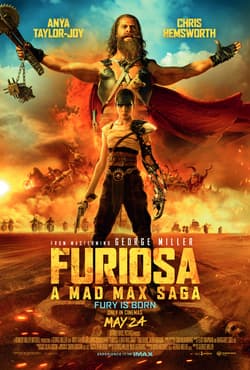
Almost two years on, Furiosa's $175m worldwide gross still looks like the most depressing box-office story of the 2020s. Not because the film is bad, it is not, but because of what its failure reveals about the economics of the action film.

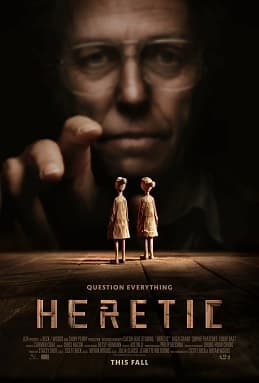
A year and a bit on, Hugh Grant's turn in Heretic has been canonised as the late-career reinvention of the decade. The interesting question is what reinvention actually means when the performance is, in truth, an intensification of what he was always doing.

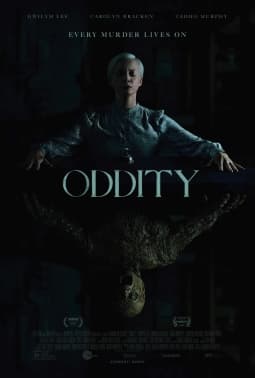
Damian McCarthy's second feature is the best pure-horror indie of 2024, and the clearest argument going for what micro-budget Irish genre cinema can do when it commits to a single effect and doesn't blink.

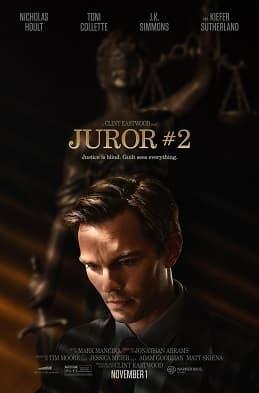
Clint Eastwood's probable farewell as a director was buried by Warner Bros in a ghost release. The film is better than the release, and the release is part of the story.

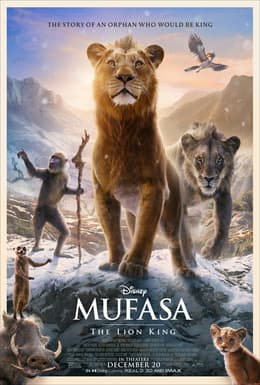
Disney hired Barry Jenkins to direct a photoreal prequel to a remake of an animated film. The economic logic is intelligible. The artistic logic is not. A year on, the question is what Jenkins was doing there.

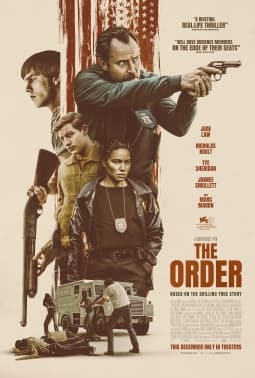
Justin Kurzel's FBI procedural about white supremacist terrorism in 1980s Idaho was one of the most under-watched American films of 2024. It is also one of the best, and the under-watching is a specific commercial failure worth understanding.

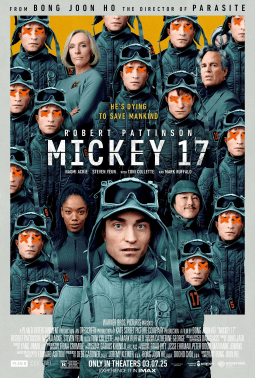
Bong Joon-ho's first film after Parasite is a $118 million science fiction satire that Warner Bros marketed badly and audiences did not know how to process. A year on, the failure is the studio's, not the director's.

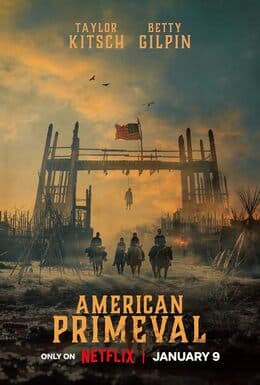
Peter Berg and Mark L. Smith's six-episode Netflix limited western compresses a brutal 1857 Utah into ninety minutes per episode, and the compression is both the method and the mistake.

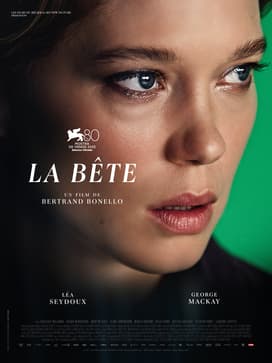
Bertrand Bonello's 2023 film, released in the US in April 2024, is the strangest and most formally ambitious film I saw in either year. An argument for the specific dread of being alive in multiple decades at once.

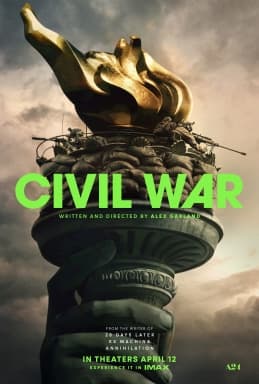
Alex Garland made a film about an American civil war and deliberately stripped out the politics. A year and a half later, the emptiness in the middle of Civil War is not a choice to respect. It is the thing that breaks the film.

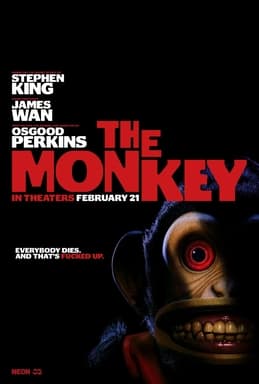
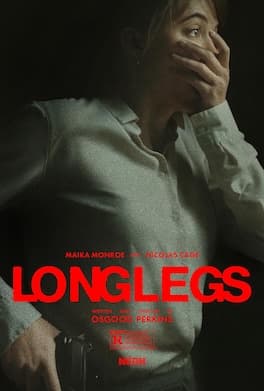
Osgood Perkins' follow-up to Longlegs is a better film than the hype-fatigue has let on. An argument for the adaptation that does not care about the source material.

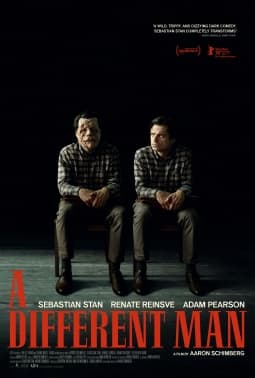
Aaron Schimberg's 2024 comedy about an actor who gets a medical procedure and regrets it is the year's strangest mid-budget indie, and the one whose specific comic machinery I keep returning to.

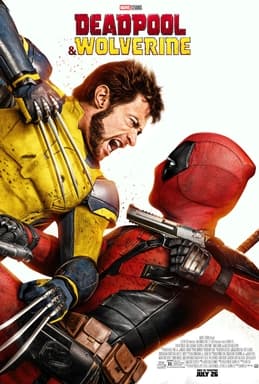
A year after Deadpool & Wolverine made $1.3 billion and saved a bad year for the MCU, the film looks less like a triumph and more like the last thing Marvel is going to get away with.

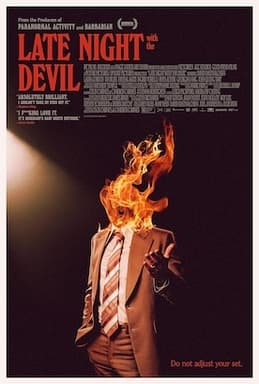
Colin and Cameron Cairnes's Australian indie horror, shot as a 1977 late-night TV broadcast gone wrong, is the rare genre exercise whose formal commitment pays off at every level.

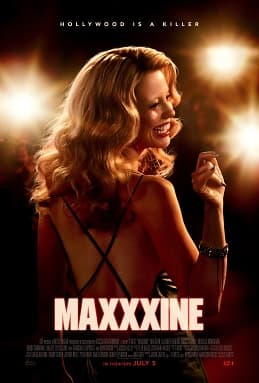
Ti West closed his X/Pearl/MaXXXine trilogy in July 2024 with a film that tries to be several kinds of movie at once. A year later, only some of them worked.

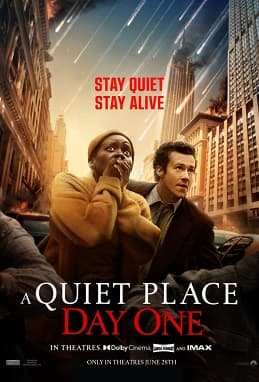
Michael Sarnoski's Quiet Place prequel is a studio horror release built to break the franchise's scale rules, and the smaller it stays, the better it works.

A year after Longlegs' extraordinary marketing run turned into an extraordinary opening weekend, the film looks smaller than the hype suggested and stranger than the backlash allowed.

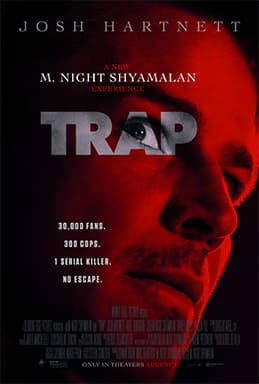
M. Night Shyamalan's August 2024 thriller had a genuinely great first act and two acts that could not sustain the premise. A year later, the unevenness is worth thinking about.

Disney's Daredevil revival survived a mid-production creative overhaul and emerged looking, eventually, like a continuation of the Netflix show it nominally wasn't.

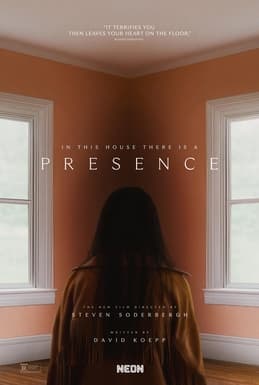
Steven Soderbergh shot a haunted house film entirely from the ghost's point of view. The formal constraint should not work. It does, and the reasons are technical.

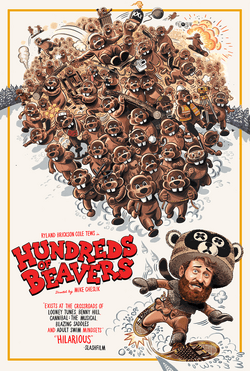
Mike Cheslik's 108-minute silent slapstick about a 19th-century fur trapper fighting mascot beavers is one of the strangest American indie films of the decade. It is also one of the funniest.

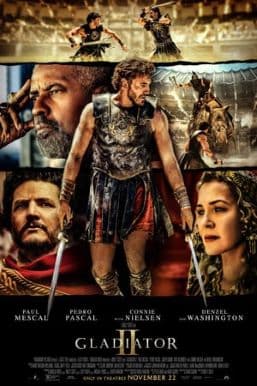
Ridley Scott made Gladiator II twenty-four years after the original and repeated most of the first film's beats without any of its conviction. The problem is not age. The problem is a director who no longer believes the genre.

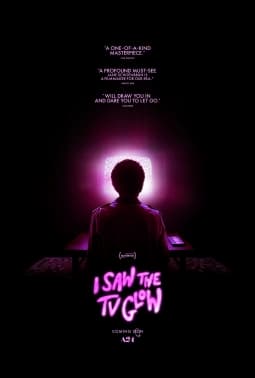
Jane Schoenbrun's sophomore feature played small in theatres, spoke loudly to the audience it was made for, and kept speaking afterwards. A year later, it is still teaching viewers how to be seen.

Jac Schaeffer's Agatha limited series did what Marvel's TV slate had mostly stopped doing: it knew what it was, and it finished.

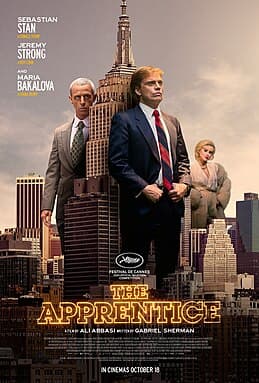
Ali Abbasi's Trump origin story arrived in American theatres three weeks before the 2024 election, flopped, and has barely been discussed since. The film deserved better.

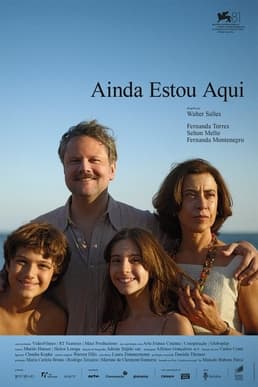
Walter Salles's adaptation of Marcelo Rubens Paiva's memoir won Brazil its first Best International Feature Oscar in March 2025. The win matters. The film matters more.

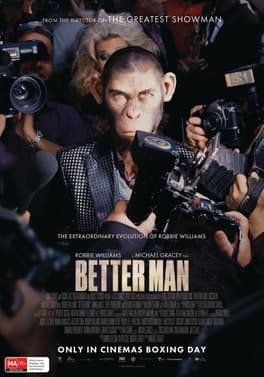
Michael Gracey's Robbie Williams biopic cast its subject as a CGI chimpanzee and posted one of the worst wide-opening results of the year. The film is still better than its box office.

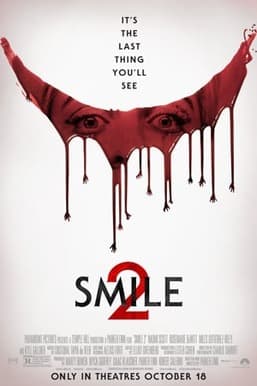
Parker Finn's follow-up to his 2022 hit arrived through Paramount in October. It takes the original's thin premise and pushes it into something stranger, harder, and more formally specific.

Drew Hancock's debut strips its premise to a weekend-house structure and one central idea. The discipline is the film's argument, and the argument lands cleanly.

Amazon's third Reacher season adapted Persuader across eight episodes in February 2025 and did the specific thing the show exists to do. The formula holds, and the reasons it holds are worth marking.

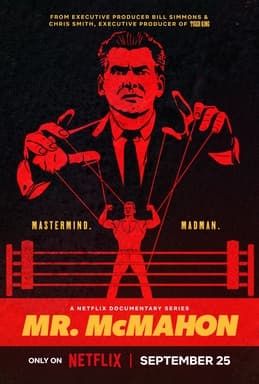
Chris Smith's six-part documentary arrived on Netflix in September and did the specific job the genre rarely gets to do. It let its subject speak, and then it outlasted him.

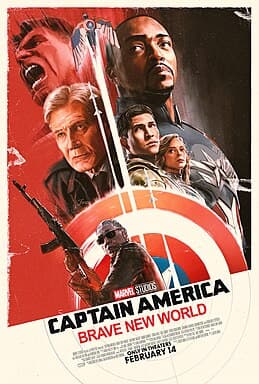
Marvel's fourth Captain America opened in February 2025 to middling reviews and soft legs. The visible seams on screen tell the bigger story about what the studio spent the second half of 2024 doing to the film.

Leigh Whannell's follow-up to The Invisible Man arrived in January through Blumhouse and Universal. It is a smaller, stranger film than the one the marketing sold, and the smaller film is the better film.

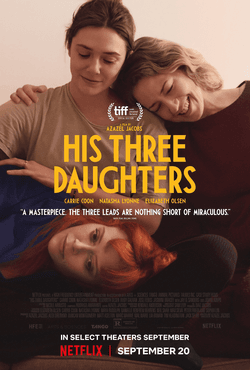
Azazel Jacobs built a three-hander around a Manhattan apartment, three sisters, and a dying father in the next room. The film is much better than Netflix's release pattern suggested.

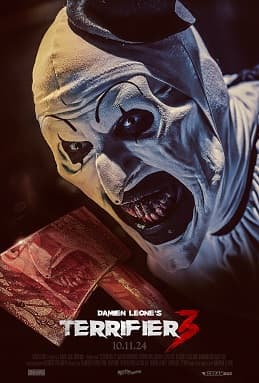
Damien Leone's third Art the Clown picture opened wide in October 2024 and outgrossed the usual horror release pattern by a factor most distributors would not have underwritten. The craft is why.

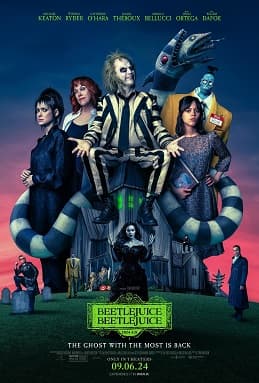
Tim Burton returns to Beetlejuice after 36 years and makes a legacy sequel that actually works, mostly because he refused to make a serious one.

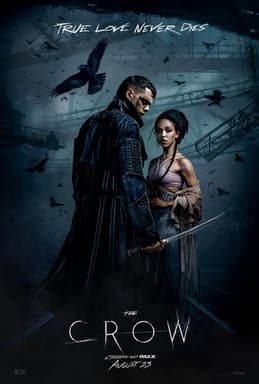
The Crow remake, after two decades of failed attempts, finally arrived in August and confirmed every reason the attempts should have stayed failed.

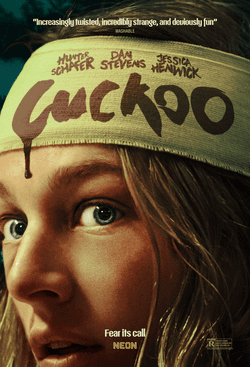
Tilman Singer's second feature is one of the weirdest mid-budget horror films of the year, and one of the least bothered about making sense. An argument for the horror film that works on dream logic.

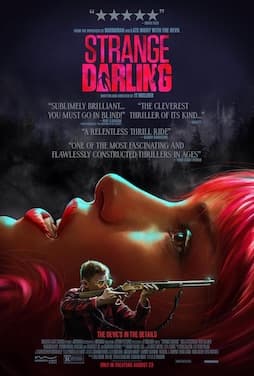
JT Mollner's non-linear indie thriller has a gimmick and knows it. A case for the film that uses its structural trick as an actual argument.

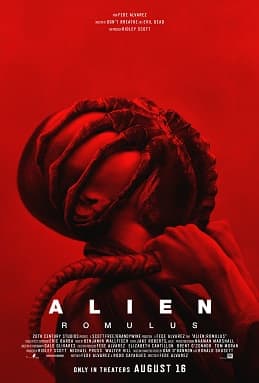
Fede Álvarez's Alien entry is a competent piece of horror filmmaking that wants, urgently, to remind you of other films. The reminders are where it falters.

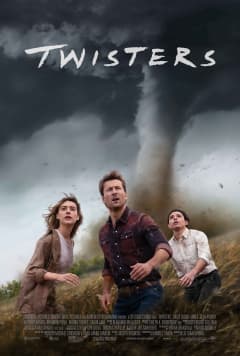
Lee Isaac Chung's Twisters sequel-slash-reboot should not have been any good. It is, instead, one of the strongest American genre films of the summer.

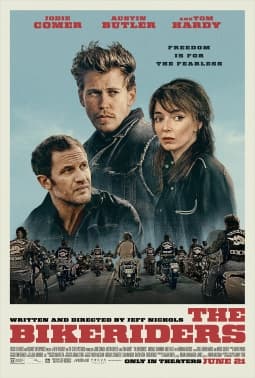
Jeff Nichols' motorcycle-club drama was held up by distribution chaos for a year, then released in a summer that did not know what to do with it. A case for the slower film.

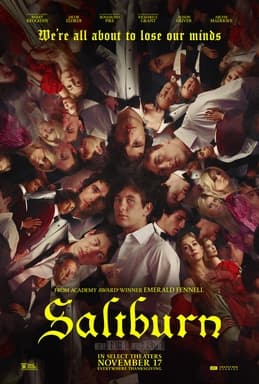
Emerald Fennell's second feature wants to be a class-war satire and a Brideshead pastiche and a body-horror provocation. It pulls off one of the three, sometimes two.