What Anora's Ending Pays For
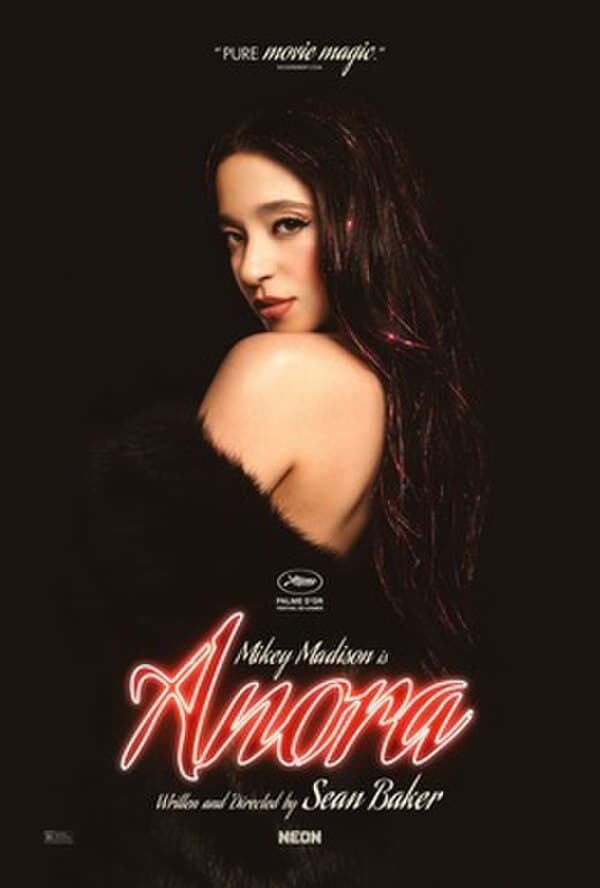
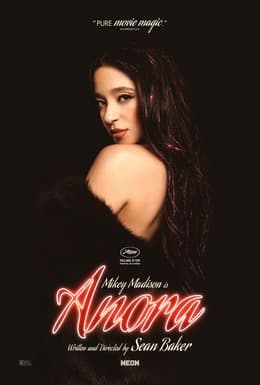
Sean Baker's Brooklyn fairytale won five Academy Awards on the strength of two minutes of silence in a parked car. The film is more interested in what that silence costs.
Lena writes long-form essays on the films that will still be talked about in a decade. Previously at a defunct monthly whose name we do not speak.
Prestige film, auteur cinema, awards-season retrospectives.
55 pieces

Sean Baker's Brooklyn fairytale won five Academy Awards on the strength of two minutes of silence in a parked car. The film is more interested in what that silence costs.

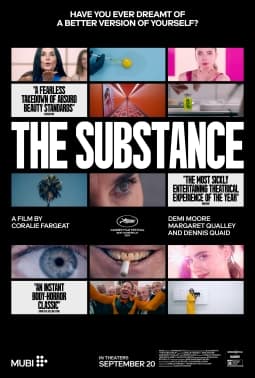
Eighteen months after Coralie Fargeat's prosthetic-heavy fable drew both Oscar nominations and walkouts, the strange alchemy of The Substance has only clarified. The film is less about Hollywood than it looks, and more about what we're allowed to say with bodies on screen.

Eggers' remake was received with admiration rather than fervour, a proper film from a proper filmmaker. Sixteen months later, it looks like the serious piece the year needed, and the one we were too cool to love properly at the time.

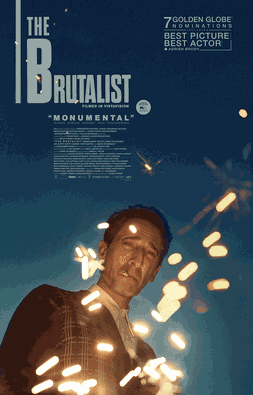
A year after The Brutalist swept its technical categories and divided audiences, its length has stopped looking like a gamble and started looking like the point. An argument for the long film in a short-film decade.

A year after Sean Baker's fourth feature took five Oscars including Best Picture, the predictable backlash has arrived on schedule. Here's why the Academy, improbably, got it right.

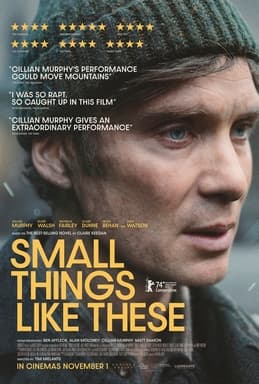
Tim Mielants's adaptation of the Claire Keegan novella was reviewed as a modest Cillian Murphy vehicle. The careful reading is that the film's restraint is the indictment, and the restraint is harder to film than the indictment would have been.

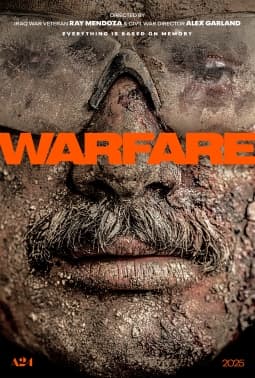
Ray Mendoza and Alex Garland's second collaboration rebuilds a 2006 Ramadi engagement from the memories of the men who survived it, and the film's claim on attention is its specific refusal to shape.

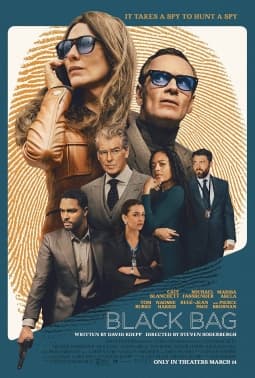
Steven Soderbergh's ninety-four-minute spy thriller is the specific kind of mid-budget adult drama American studios have stopped making. Its existence is the argument. Its execution is the reward.

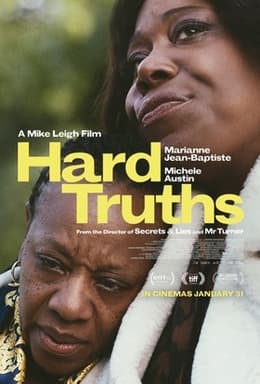
Mike Leigh's first film since 2018 reunited him with Marianne Jean-Baptiste for a character study of sustained anger. The argument is that the film is one of his best, and the conditions that produced it are the ones his method has been waiting to find.

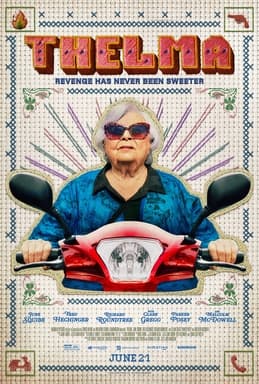
Josh Margolin's debut feature gave June Squibb her first leading role at 94. It was not a stunt. It was a film.

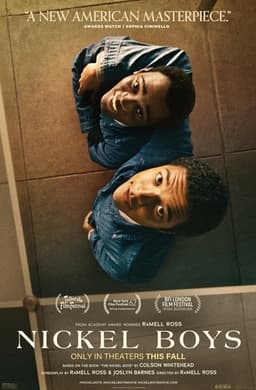
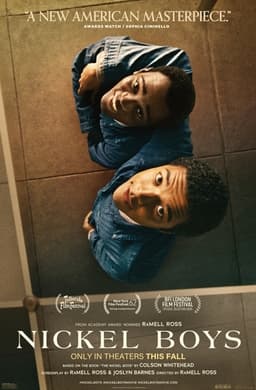
RaMell Ross adapted Colson Whitehead's Pulitzer-winning novel through a first-person camera almost continuously across two hours. The argument is that the formal gamble is the adaptation, and the adaptation is, so far, the film of the awards year.

Tony Gilroy's second and final season of Andor is the most disciplined piece of franchise television anyone has produced. It is also an argument about what franchise television could have been.

Pablo Larraín's third and probably final entry in his trilogy of distressed-woman biopics is the most formally certain of the three, and the one least willing to flatter its subject.

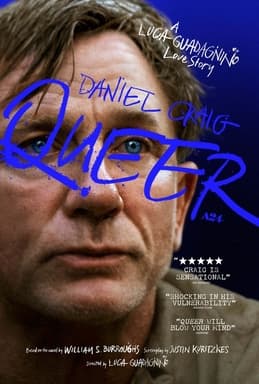
Guadagnino's second film of 2024 was the quieter one, the one with the more difficult source material, and the one that has settled, a year later, as the more specifically strange.

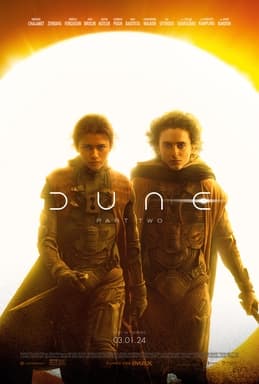
A year and a half on from the sequel, the case for Dune: Part Two is less about its scale and more about its refusal. An argument for the blockbuster that does not entertain.

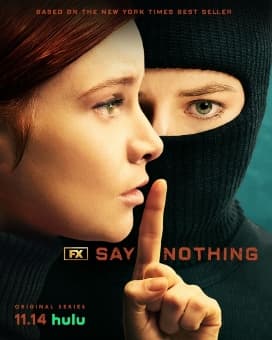
Joshua Zetumer's FX adaptation of Patrick Radden Keefe's Troubles-era book is a better television show than many people expected. It is also a book that perhaps should not have been adapted at all.

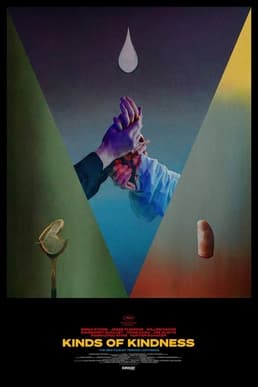
A year on from Lanthimos' three-part anthology, the film reads cleaner than the reviews made it sound. An argument for what happens when a director stops worrying about being liked.

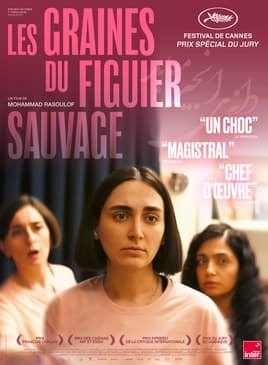
Mohammad Rasoulof shot the film in secret, fled Iran during post-production, and arrived at Cannes with a three-hour domestic thriller about a judiciary father and his protesting daughters. The retrospective argument is that the long cut is the cut.

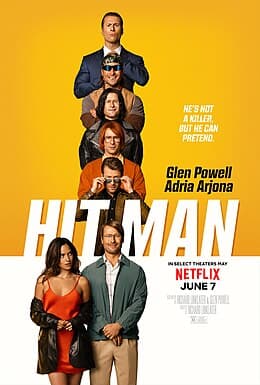
A year on from Hit Man's Netflix release, the film is a quieter argument than it first appeared. Richard Linklater made a star-launcher for someone he knew would not, in the end, need launching.

RaMell Ross adapted Colson Whitehead's Pulitzer novel by refusing the one thing most literary adaptations insist on. The camera is the character, and the choice changes what the film can do.

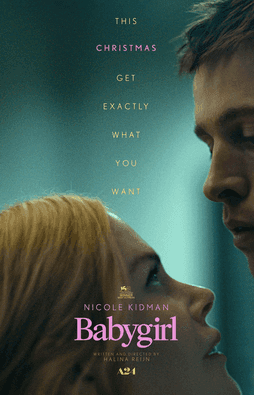
Halina Reijn's erotic drama returned a genre the American studios had given up on, and gave Nicole Kidman the kind of role the mid-budget adult film had stopped being able to produce.

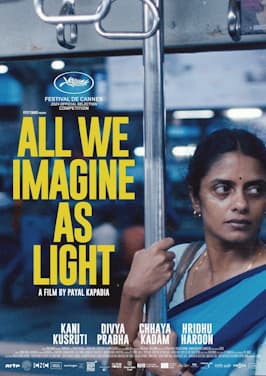
Payal Kapadia's Cannes Grand Prix winner was received, on its US release, as the decade's strongest import from Indian indie cinema. The re-reading is that the film is even stranger, and more formally considered, than the initial reception allowed.

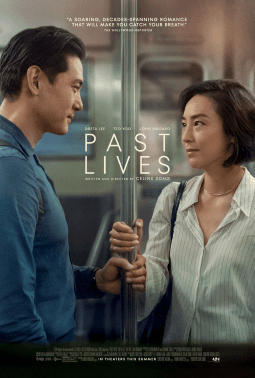
Two Oscar nominations, a slow-burn awards run, and a second viewing at home. Celine Song's debut keeps revealing itself. An argument for the film that refuses its own climax.

Jacques Audiard's Spanish-language narco musical swept the Cannes awards and collapsed in the awards season that followed. The collapse had less to do with the controversies than with the film's formal failure to decide what it wanted to be.

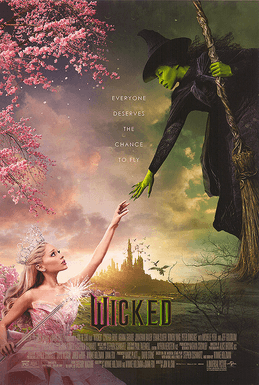
Jon M. Chu's Wicked was the studio musical that worked, and the reasons it worked are specific to the form. A year on, its choices look like a template.

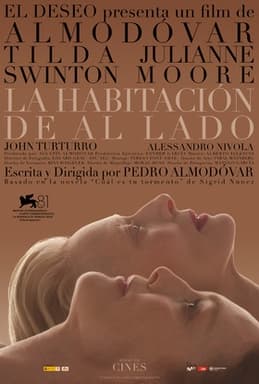
Almodóvar's first English-language feature is the film he has spent his whole career preparing to make. A year later, the patience was worth waiting for.

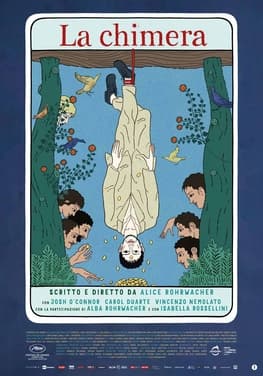
Alice Rohrwacher's 2023 film about a British grave-robber in 1980s Italy is the kind of quiet, strange, specifically rewarding film that the American art-house circuit was once built to deliver. It still can.

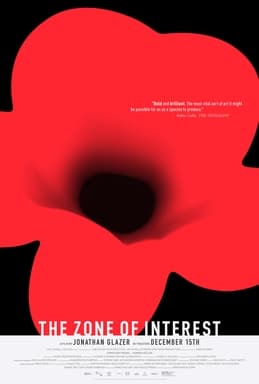
Jonathan Glazer's Holocaust film works by almost never showing us the Holocaust. Two years out, the sound design is still one of the most radical formal choices of the decade.

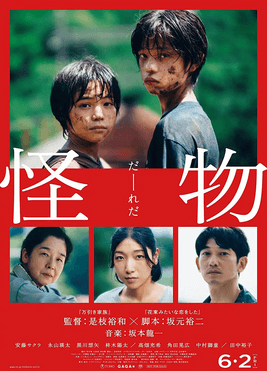
Hirokazu Kore-eda's 2023 film, released in the US in late 2023 and on streaming through 2024, is a specifically disciplined three-act structural experiment. Also, quietly, one of the most important queer films of recent cinema.

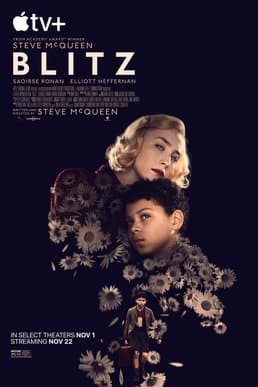
Steve McQueen's first feature since Small Axe attempts a sprawling wartime mural of London. The mural mostly works. The boy at its centre is the reason it sometimes does not.

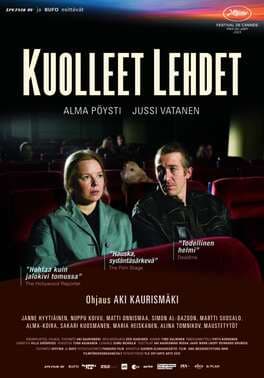
Aki Kaurismäki's 2023 film, out of retirement and better for it, is one of the shortest great films of the decade. An 81-minute case for the romantic comedy as serious cinema.

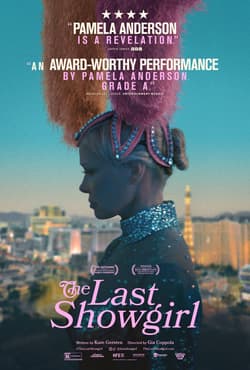
Gia Coppola's third feature hands Pamela Anderson a role that asks almost nothing performative of her, and asks everything else. The restraint is the thesis.

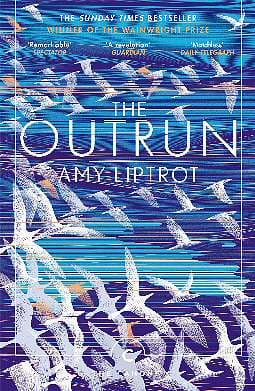
Nora Fingscheidt's adaptation of Amy Liptrot's memoir arrived in autumn through Sony Pictures Classics. It is a recovery film that keeps reaching past the recovery, out into the weather on the islands.

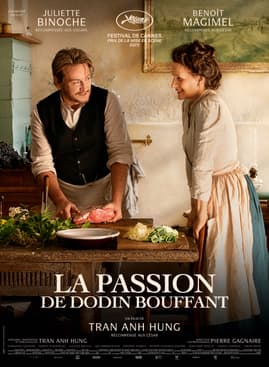
Tran Anh Hung's 2023 film, released theatrically in February 2024, is the best film about food and cooking since Babette's Feast. It is also a deeply disciplined romance in disguise.

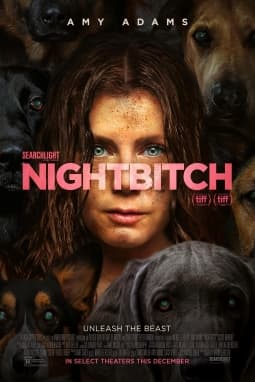
Marielle Heller's adaptation of Rachel Yoder's novel arrived through Searchlight in December, and the thing it cannot decide is how much of the dog to show. The indecision is the film.

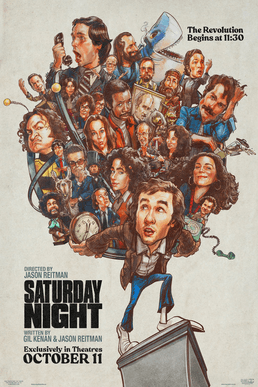
Jason Reitman's compressed account of the ninety minutes before the first SNL broadcast is the rare backstage film that trusts the chaos to be its own argument.

Nilüfer Yanya's third record arrived in September 2024 as the specific consolidation work a third album is supposed to do, and the consolidation has produced the strongest writing of her career.

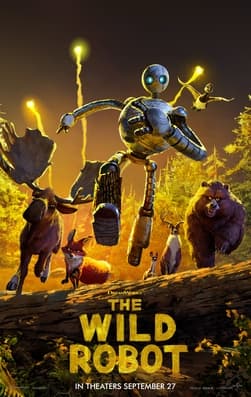
Chris Sanders' adaptation of Peter Brown's novel is the best animated feature of the year and an argument for DreamWorks doing specifically what Pixar has stopped doing.

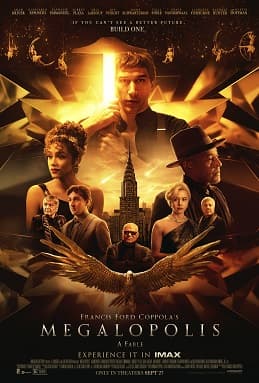
Francis Ford Coppola self-funded his first film in thirteen years. It is nearly unwatchable in specific places and almost-great in others. The project is the point.

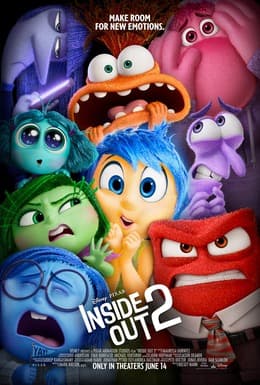
Pixar's ninth sequel turns out to be, surprisingly, one of the studio's best films in a decade. An argument for the animation that grew up with its audience.

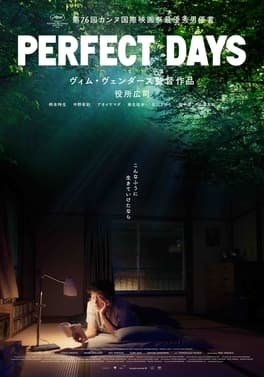
Wim Wenders' film about a Tokyo toilet cleaner is the quietest great film of the year. An argument for the discipline of the ordinary.

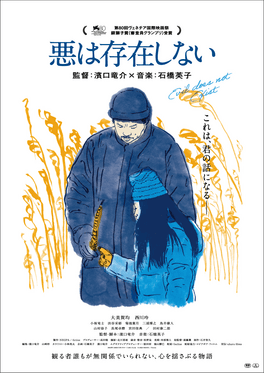
Ryusuke Hamaguchi's follow-up to Drive My Car is the quietest major film of the year. An argument for the patience the film requires and rewards.

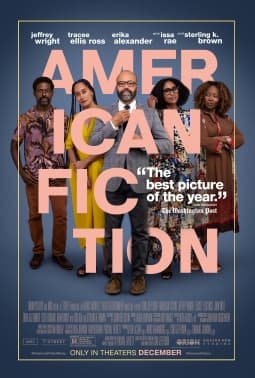
Cord Jefferson's debut feature is two films trying to be one. The surprise, two months into its run, is that both films work.

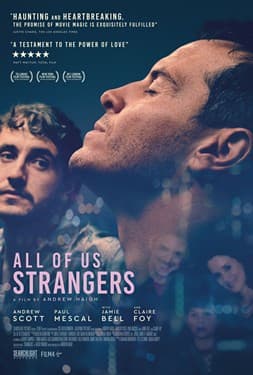
Andrew Haigh's film is a queer ghost story, a family reconciliation, and a grief piece. What it does with all three in 105 minutes is astonishing.

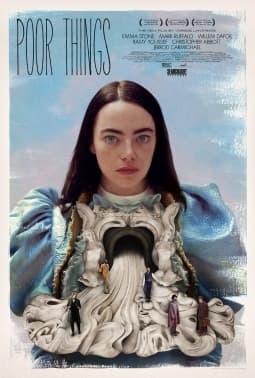
Emma Stone's performance as Bella Baxter does something almost no leading actress is allowed to do in a studio film: she becomes less polite, less articulate, less easy to root for, and the film rewards her for it.