Music
The Fourth Lyric Lorenz Hart Wrote for the Same Tune
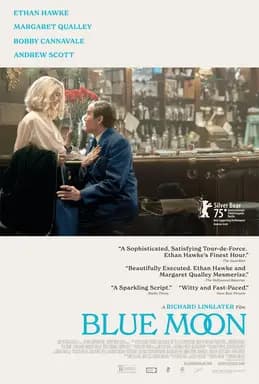
Richard Linklater's Blue Moon keeps Lorenz Hart at Sardi's all night on the opening of Oklahoma! and ends on the song he wrote because a publisher asked him to.
Jules Okonkwo·16 Sep·5 min
Jules writes the kind of pieces that come from wandering somewhere and overhearing something. On Frame Junkie's masthead since the beginning.
Music-adjacent film, editorials, relaunches, the Dylan beat.
45 pieces
Richard Linklater's Blue Moon keeps Lorenz Hart at Sardi's all night on the opening of Oklahoma! and ends on the song he wrote because a publisher asked him to.
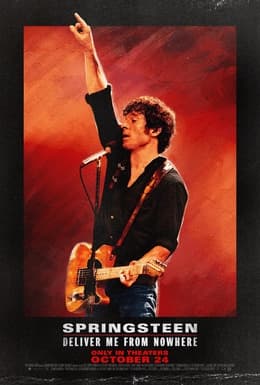
A $55 million studio film about a man refusing to let a four-track demo turn into a studio record. The film took $45 million. The cassette had the better argument.
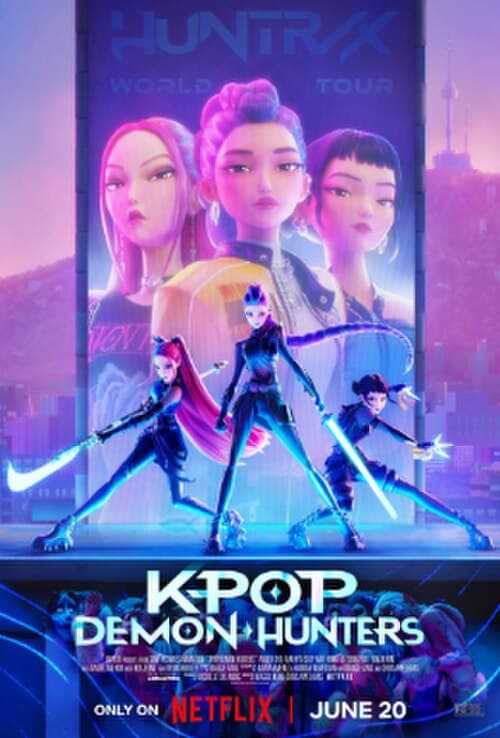
HUNTR/X are three drawings. Golden went to number one on the Hot 100 and won an Academy Award anyway, because the woman singing it had been doing this job in other people's names for years.
Thirty-four minutes and fifty-one seconds, no cool-down, no exit ramp. Lorde's fourth record is the first one that sounds like a body instead of a report from one.
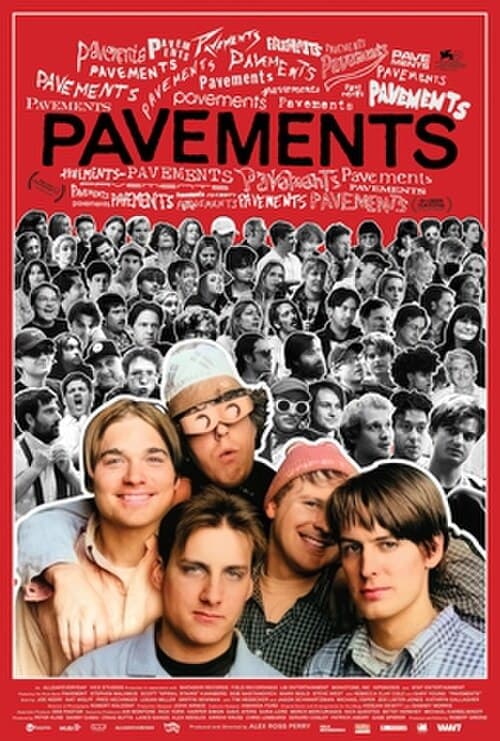
Alex Ross Perry made four films about Pavement at once and braided them together. The braid should not hold. It holds, and somewhere in the middle it stops being funny and starts being true.
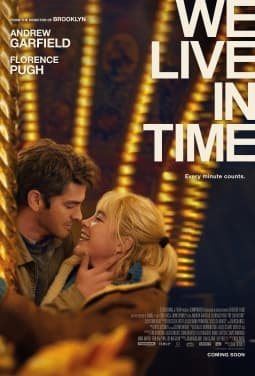
John Crowley's third collaboration with A24 runs the ten-year relationship in a non-linear shuffle, and the shuffle is what makes the film survive its cancer-drama premise. Just barely, but it does.
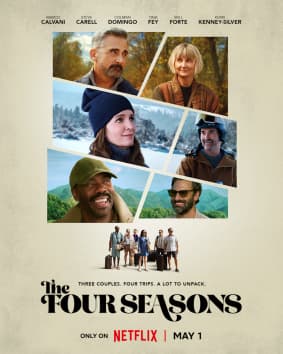
Tina Fey's adaptation of the 1981 Alan Alda film is a show about three couples, four vacations, and what middle-aged friendship sounds like when nobody is performing for an audience.
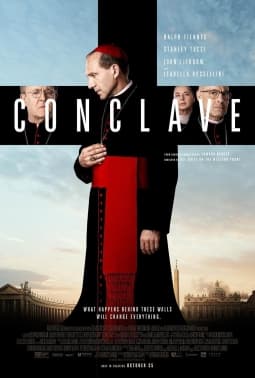
Fifteen months after Conclave's surprise commercial run, Edward Berger's Vatican procedural still feels like an argument from another era of filmmaking. The genre it quietly revived, the talk movie, is worth examining.
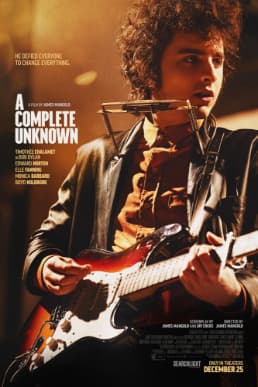
A year after James Mangold's Dylan biopic arrived in the middle of a tired genre, the film's decisions keep looking smarter. An argument for the underrated music biopic of the decade.
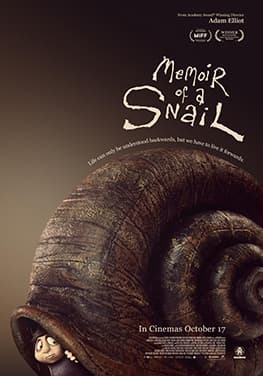
Adam Elliot's second stop-motion feature took eight years to make and collected festival prizes from Annecy to Annapurna. The Australian argument is that his particular strain of misery-claymation is one of the country's more unusual exports.
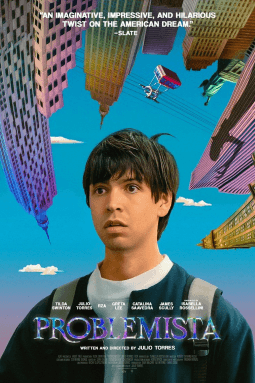
Julio Torres's 2024 debut feature is a specifically strange American indie about a Salvadoran immigrant, a specifically difficult art-world widow, and a specifically failing visa petition. It is also, quietly, great.
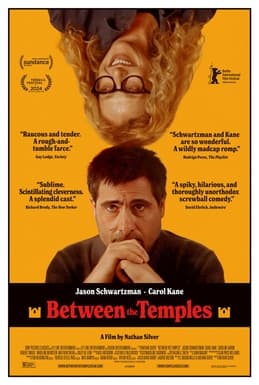
Nathan Silver's improvisational comedy about a grieving cantor and his retired music teacher is the specifically strangest American indie comedy in years. I keep coming back to it.
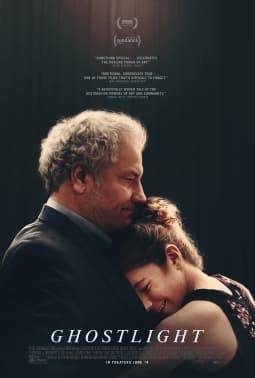
Kelly O'Sullivan and Alex Thompson's 2024 indie is the specific small American film about grief that the specific small American film is specifically built to make. And rarely does this well.
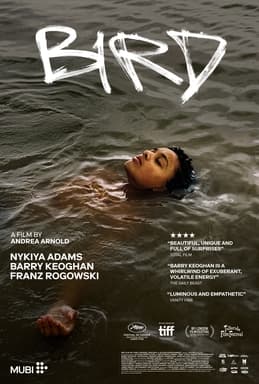
Andrea Arnold's fifth feature split the reviews, and the split was real. The retrospective argument is that the film's unexpected magical turn is not a failure of the social-realist grammar, it's what the grammar was always walking toward.
Vampire Weekend's fifth album, released in April 2024 after a five-year wait, is the record where the band finally stopped being a band about youth. A year on, the shift is the interesting thing.
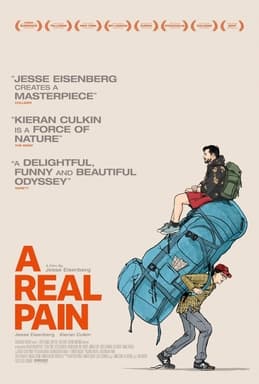
Jesse Eisenberg's second feature as director-writer is a specifically small, specifically patient Polish heritage-tour film, and the film it most resembles is a Broadway play that someone has somehow filmed correctly.
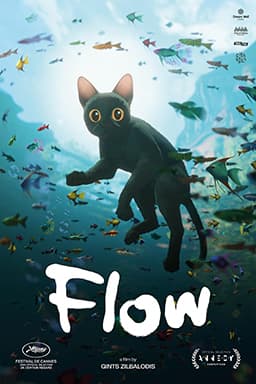
A Latvian animated feature made on Blender with a team of fifteen people won the Oscar and beat DreamWorks, Pixar, and Netflix. The reason is not budget. It is silence.
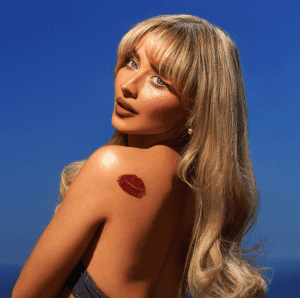
A year on from Short n' Sweet, Sabrina Carpenter is the first pop star of her generation who has successfully metabolised the Disney-pipeline training into something that is not, finally, Disney.
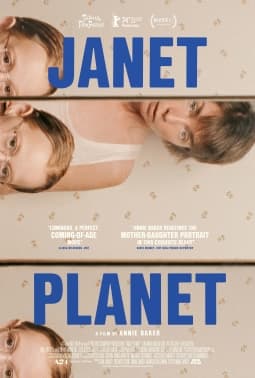
Annie Baker's film debut is the rare coming-of-age film that refuses every coming-of-age convention. Just a specific eleven-year-old and her specific mother, one summer in western Massachusetts, 1991.
Charli XCX's Brat was the pop event of 2024. A year on, the question is not whether the record was good. The question is what Brat Summer actually was, who it was for, and why almost everything it inspired was bad.
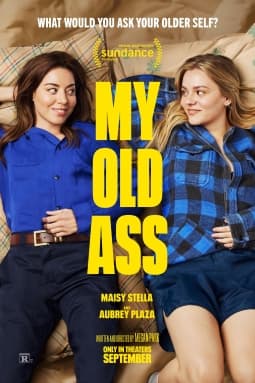
I took my younger sister to see Megan Park's second feature thinking it would be a throwaway, and we walked out crying. The retrospective case is that it is the sharpest coming-of-age indie of the year, and I'll fight about it.
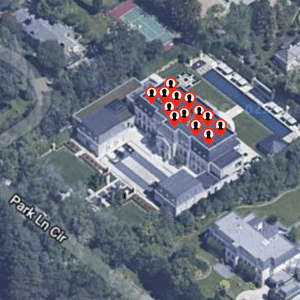
A year after 'Not Like Us' broke streaming records, changed halftime shows, and drove a superstar into the career wilderness, the question is no longer who won. The question is what the beef actually was.
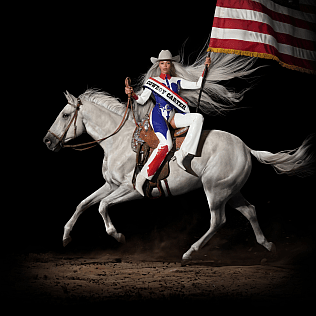
A year out, Beyoncé's country album is not a country album. It is a demolition project. An argument for Cowboy Carter as one of the most important genre interventions of the decade.
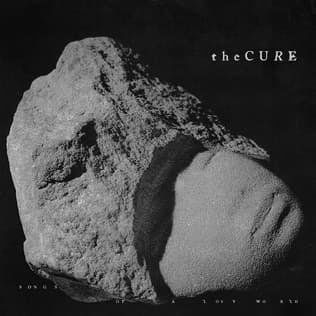
The Cure's first album in sixteen years arrived in November 2024. A year later, the wait was the point.
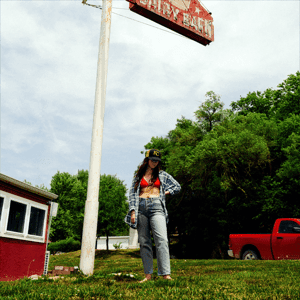
Katie Crutchfield's follow-up to Saint Cloud did not need to do anything except be good. It is good in specific, deliberate ways, and those ways are the record's argument for itself.
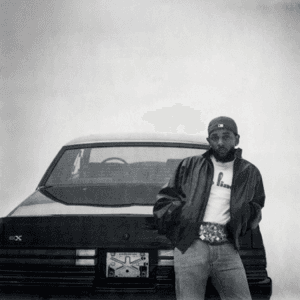
Kendrick's surprise-dropped November record is the victory-lap album that also functions as a genealogy lesson. Both registers are doing specific work, and both work.
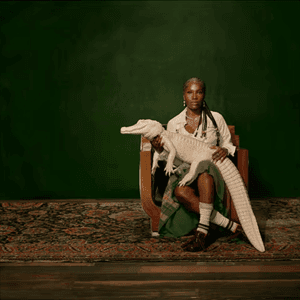
Doechii's Top Dawg mixtape landed in August 2024, won Best Rap Album at the 67th Grammys, and did the specific thing most debut-tier rap records cannot do: hold the weight of a dozen genre switches without buckling.
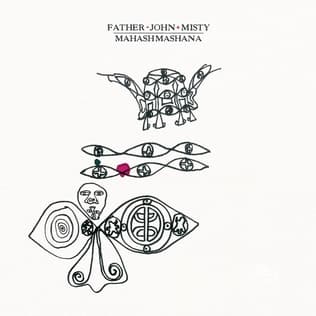
Josh Tillman's sixth Father John Misty record arrived in late November on Sub Pop. It is the longest the project has sounded and, in a specific way, the least defended.
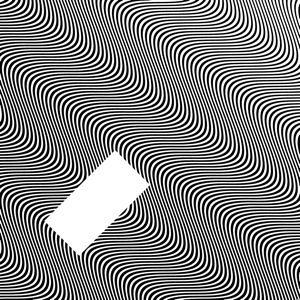
Jamie Smith's second solo record landed in September on Young, almost a decade after In Colour. It is the sound of a producer who has been DJing for nine years and finally decided to write the album the nights were asking for.
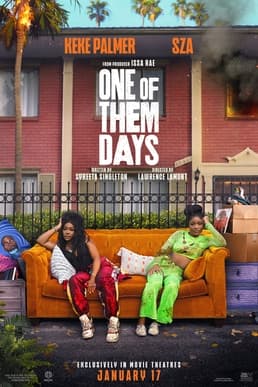
Lawrence Lamont's debut landed in January 2025 with SZA and Keke Palmer centred inside a rent-day comedy that remembered how buddy pictures actually move.

Justin Vernon's Bon Iver returned in October 2024 with a three-track EP after a five-year studio silence. The short form is the point, and the record argues for it specifically.
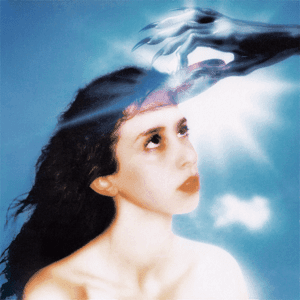
Magdalena Bay's second full-length arrived in August 2024 to a slow critical build and a fanbase already waiting. Five months on, the album is the strongest argument for the form in current pop.
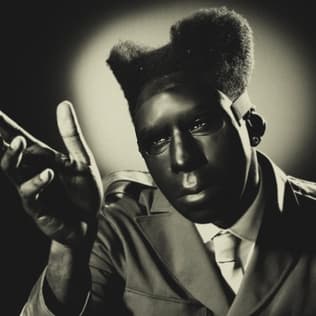
Tyler, the Creator's eighth album dropped on a Monday morning, which was a specific choice. The record itself is the specific choice that matters.
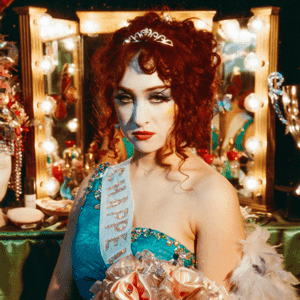
Chappell Roan's album came out in September 2023. Her stardom arrived in summer 2024. The eleven-month gap is the interesting thing.
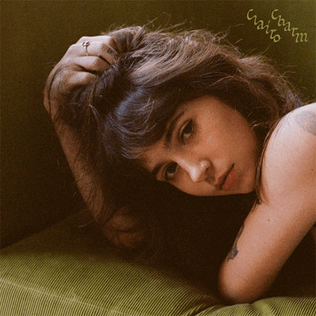
Claire Cottrill's third album, produced with Leon Michels, is the record where she finally finds the sonic register her songwriting has been reaching for.
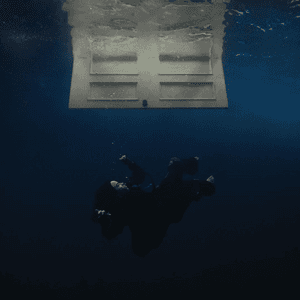
Billie Eilish's third album is a quieter, longer, more patient record than the one she was commercially expected to make. It is also, easily, her best.
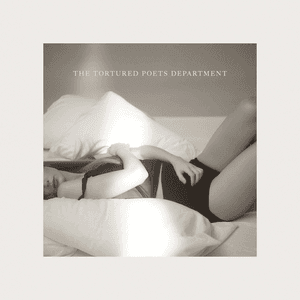
Taylor Swift's eleventh studio album, released as a double in April, is the longest piece of popular music she has ever put out, and the most urgently in need of an editor.
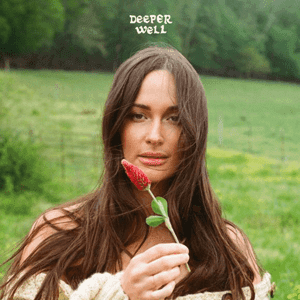
Kacey Musgraves' fifth album is the record of an artist deliberately stepping back from the cultural centre she had briefly occupied. An argument for the retreat as a specific creative choice.