Adolescence and the Cut That Never Comes
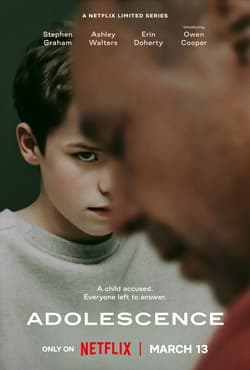
Each of the four episodes of Adolescence is a single unbroken take. The constraint is not a stunt. It is the show's whole argument, made in the grammar instead of the dialogue.

Priya came to criticism sideways from theatre. She is patient with slow shows, short with bloated ones, and cheerfully vicious about lazy writing.
Prestige TV, limited series, cross-medium essays.
60 pieces

Each of the four episodes of Adolescence is a single unbroken take. The constraint is not a stunt. It is the show's whole argument, made in the grammar instead of the dialogue.
Kristoffer Borgli's A24 feature used Nicolas Cage as the vehicle for a media satire that landed in late 2023 and has aged, through 2024 and into 2025, into a specifically sharper object than the reviews initially registered.

Two years after Challengers arrived in its pastel pressure-cooker, the film's trick is clearer: it is not really about tennis. It is about what love looks like when three people are too competitive to admit they love anything but competition.

Fifteen months after Shōgun's historic Emmy sweep, and with a second season confirmed, it's worth asking what the show changed about prestige TV, and what it didn't.

Liz Meriwether's eight-episode FX series handed Michelle Williams the role of the decade and Jenny Slate the best supporting performance on television last year.

Eighteen months after The Bear's third season landed to the worst reviews of its run, the season has quietly become the one I most want to rewatch. An argument for the slow, prickly middle chapter.

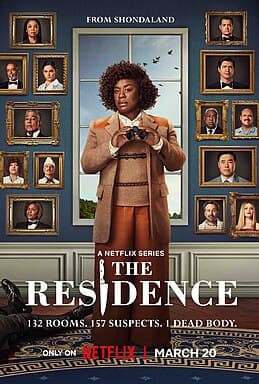
Shondaland's White House whodunnit handed Uzo Aduba the role she has been waiting for since Orange is the New Black. The rest of the show is trying to catch up to her.

A year after Industry's third season brought Kit Harington and a green-energy IPO into the show's London trading floor, the season looks like the moment the show became the best finance drama in TV history.

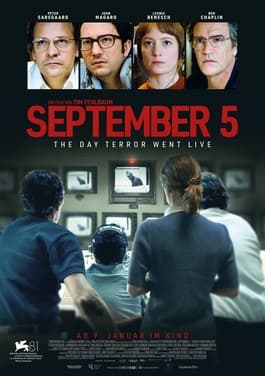
Tim Fehlbaum's procedural about the ABC Sports team covering the 1972 Munich hostage crisis narrows its field of vision to a single control room. The narrowing is the film's argument, and it holds.

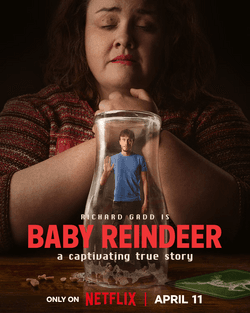
Richard Gadd's seven-episode autobiographical drama was the TV moment of spring 2024 and the legal controversy of summer 2024. A year later, the show itself is still the best argument for why it exists.

Three and a bit years after the first season, Hwang Dong-hyuk's second Squid Game is a structurally different object from the original, and the difference is the thing worth describing.

R. Scott Gemmill's real-time hospital drama on Max ran fifteen episodes across a single shift. It is the best procedural television has produced in a decade.

Jesse Eisenberg's second film as director is a tightly written cousins-on-a-trip movie that uses its ninety minutes to say something particular about inheritance, grief, and the specific tolerances of family.

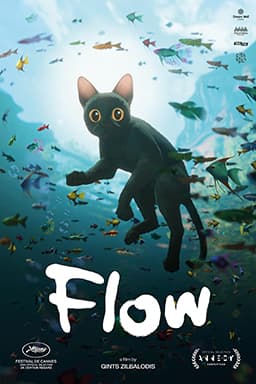
Gints Zilbalodis made a dialogue-free animated feature in Blender with a team of a dozen, won the Oscar, and put the Latvian film industry on the global animation map. The patient argument is that the form, not the novelty, is the achievement.

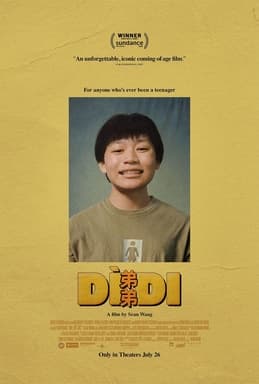
Sean Wang's 2024 debut feature is one of the best American coming-of-age films in years. Specifically about being thirteen, Taiwanese-American, and on MySpace in 2008.

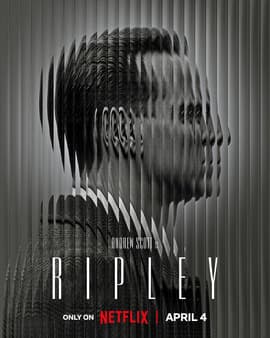
Steven Zaillian's eight-episode Netflix adaptation of Patricia Highsmith was the quiet prestige show of April 2024. A year later, its patience has only looked smarter.

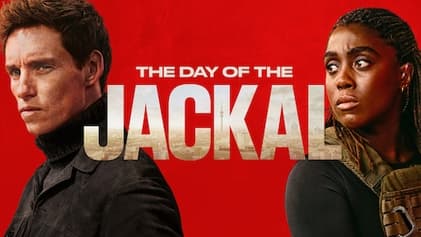
Sky and Peacock's Jackal adaptation stretched the Forsyth novel across ten episodes and bet the show on Eddie Redmayne's stillness. The bet paid off, mostly.

A year after Hacks Season 3 landed, the show is quietly one of the best ongoing comedies on television. An argument for the series whose cruelty keeps getting better-calibrated.

Mindy Kaling's Netflix NBA comedy is a vehicle for Kate Hudson's return to screen work. The show around her is more conventional than her performance deserves.

Graham Yost's second season of Silo split its story across two bunkers and asked viewers to wait. The waiting is the show's argument, and also its risk.

A year after The Penguin finished its run on HBO, the show is a strong argument for what the superhero universe can still do on television when nobody makes it wear tights.

Alfonso Cuarón's seven-part thriller on Apple TV was the prestige-TV arrival of October 2024. A year out, the shape of what went wrong is clearer.

Mike Schur's Netflix show placed Ted Danson inside a retirement community as an amateur investigator. The premise is a disguise for the comedy Schur has been moving toward for a decade.

Issa López's anthology season was the most divisive prestige TV of the year. Eighteen months out, the things it got right outweigh the things it did not.

Joe Barton's six-episode Netflix spy series arrived in the Christmas release slot in December 2024 and did the thing most genre television cannot do: hold a comic register and a grief register in the same frame without either one winning.

Steven Knight's Victorian boxing drama dropped on Disney+ and Hulu in February 2025. Six episodes in, the show's interest in three parallel hustles is what makes the frame hold.

Raine Allen-Miller's 2023 debut is the rare contemporary British romantic comedy that actually commits to its register. Specifically a London film in a way very few London films are.

HBO's six-episode Bene Gesserit prequel arrives with a specific set of inherited problems and a few genuine pleasures. The question is whether the pleasures can sustain a second season.

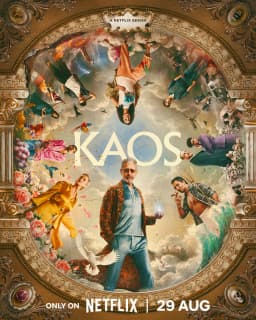
Charlie Covell's Greek-myth reworking arrived on Netflix in August 2024 and was cancelled a month later. The show deserved better, and the cancellation revealed something specific about Netflix's renewal math.

ABC's High Potential premiered in September 2024 to the strongest broadcast numbers of the season and built from there. The show is a throwback in ways that reveal what streaming has quietly stopped doing.

Hulu's Arconia comedy moved its fourth season to Los Angeles and brought a Hollywood satire with it. The season is the show's most uneven and reveals a specific structural tension the format was built to avoid.

House of the Dragon's second season ended earlier this month. After eight episodes that often circled material without advancing it, the season is a specific diagnostic.

Apple's Presumed Innocent is not a radical show. It is a competent one, and competent legal drama has become rare enough that the competence is worth noting.

Jonathan Nolan's Fallout is the best video game adaptation anyone has made, because it treats the source material’s tone as the thing worth preserving.

The Regime, the six-episode HBO political satire starring Kate Winslet, finished airing earlier this month. The show is a specific tonal experiment, and it is worth taking seriously.

Netflix's adaptation of Cixin Liu's Remembrance of Earth's Past trilogy is, on balance, a better show than the Game of Thrones showrunners' previous form suggested. It is also structurally compromised in specific ways.

Donald Glover and Francesca Sloane's Amazon spy drama is not a remake. It is a character study dressed as a spy show, and it works because of what it refuses to be.

The third Spielberg-Hanks World War II series landed on Apple TV+ in January with enormous production ambition and uneven dramatic execution.