
TV
Slow Horses Season 4: The Gary Oldman Show
A year on from Season 4, Slow Horses is still the most consistently-good spy drama on television. An argument for the show that has quietly become one of the best.
Priya Nair·12 Oct·5 min
44 pieces
A year on from Season 4, Slow Horses is still the most consistently-good spy drama on television. An argument for the show that has quietly become one of the best.
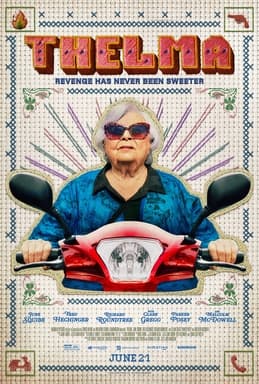
Josh Margolin's debut feature gave June Squibb her first leading role at 94. It was not a stunt. It was a film.
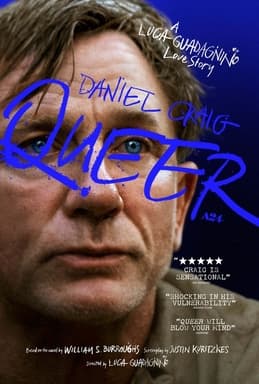
Guadagnino's second film of 2024 was the quieter one, the one with the more difficult source material, and the one that has settled, a year later, as the more specifically strange.
Vampire Weekend's fifth album, released in April 2024 after a five-year wait, is the record where the band finally stopped being a band about youth. A year on, the shift is the interesting thing.
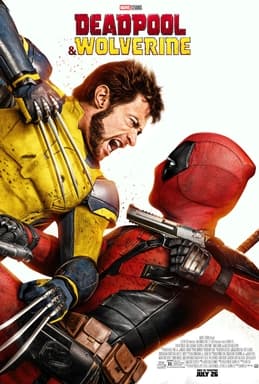
A year after Deadpool & Wolverine made $1.3 billion and saved a bad year for the MCU, the film looks less like a triumph and more like the last thing Marvel is going to get away with.
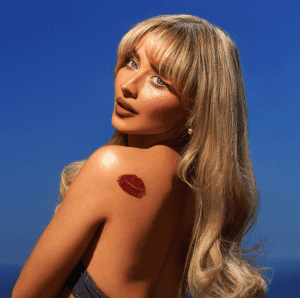
A year on from Short n' Sweet, Sabrina Carpenter is the first pop star of her generation who has successfully metabolised the Disney-pipeline training into something that is not, finally, Disney.
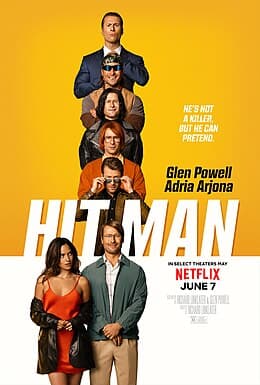
A year on from Hit Man's Netflix release, the film is a quieter argument than it first appeared. Richard Linklater made a star-launcher for someone he knew would not, in the end, need launching.
A year after Hacks Season 3 landed, the show is quietly one of the best ongoing comedies on television. An argument for the series whose cruelty keeps getting better-calibrated.
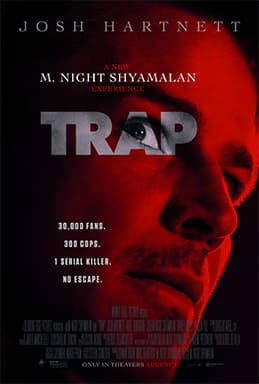
M. Night Shyamalan's August 2024 thriller had a genuinely great first act and two acts that could not sustain the premise. A year later, the unevenness is worth thinking about.
A year after The Penguin finished its run on HBO, the show is a strong argument for what the superhero universe can still do on television when nobody makes it wear tights.
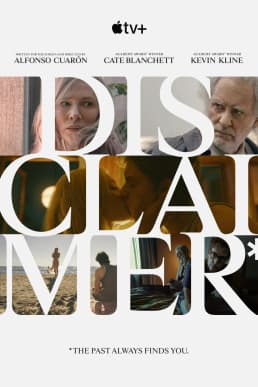
Alfonso Cuarón's seven-part thriller on Apple TV was the prestige-TV arrival of October 2024. A year out, the shape of what went wrong is clearer.
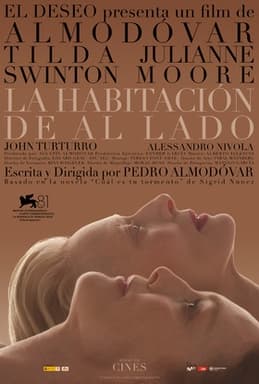
Almodóvar's first English-language feature is the film he has spent his whole career preparing to make. A year later, the patience was worth waiting for.
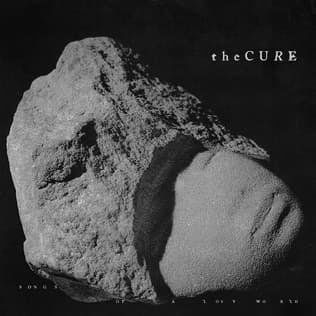
The Cure's first album in sixteen years arrived in November 2024. A year later, the wait was the point.
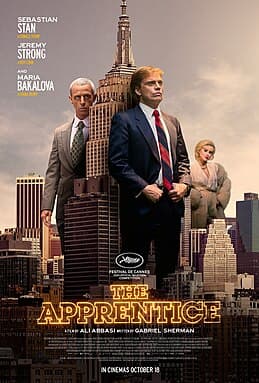
Ali Abbasi's Trump origin story arrived in American theatres three weeks before the 2024 election, flopped, and has barely been discussed since. The film deserved better.
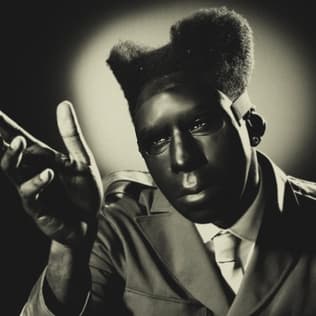
Tyler, the Creator's eighth album dropped on a Monday morning, which was a specific choice. The record itself is the specific choice that matters.
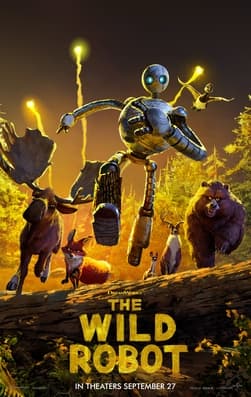
Chris Sanders' adaptation of Peter Brown's novel is the best animated feature of the year and an argument for DreamWorks doing specifically what Pixar has stopped doing.
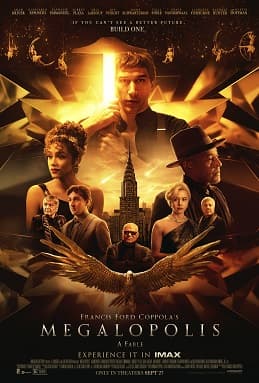
Francis Ford Coppola self-funded his first film in thirteen years. It is nearly unwatchable in specific places and almost-great in others. The project is the point.
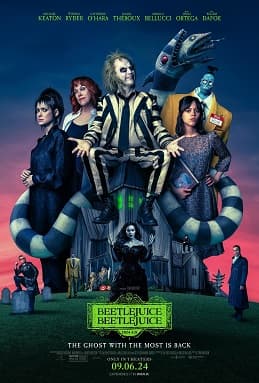
Tim Burton returns to Beetlejuice after 36 years and makes a legacy sequel that actually works, mostly because he refused to make a serious one.
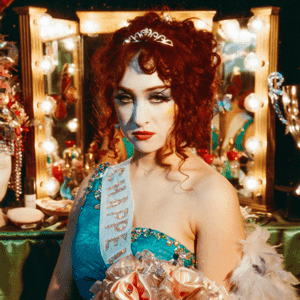
Chappell Roan's album came out in September 2023. Her stardom arrived in summer 2024. The eleven-month gap is the interesting thing.
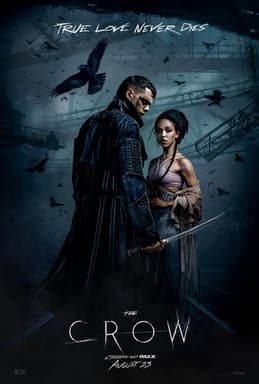
The Crow remake, after two decades of failed attempts, finally arrived in August and confirmed every reason the attempts should have stayed failed.
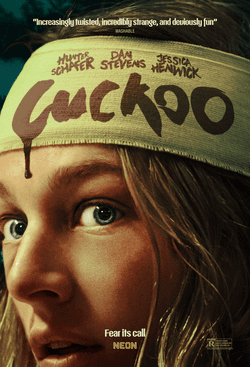
Tilman Singer's second feature is one of the weirdest mid-budget horror films of the year, and one of the least bothered about making sense. An argument for the horror film that works on dream logic.
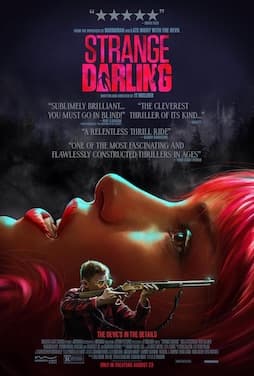
JT Mollner's non-linear indie thriller has a gimmick and knows it. A case for the film that uses its structural trick as an actual argument.
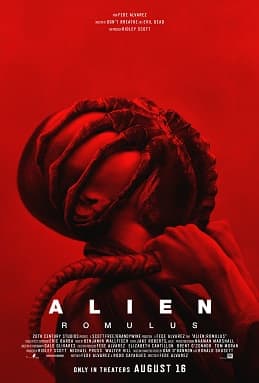
Fede Álvarez's Alien entry is a competent piece of horror filmmaking that wants, urgently, to remind you of other films. The reminders are where it falters.
House of the Dragon's second season ended earlier this month. After eight episodes that often circled material without advancing it, the season is a specific diagnostic.

Claire Cottrill's third album, produced with Leon Michels, is the record where she finally finds the sonic register her songwriting has been reaching for.
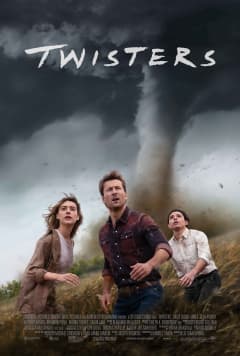
Lee Isaac Chung's Twisters sequel-slash-reboot should not have been any good. It is, instead, one of the strongest American genre films of the summer.
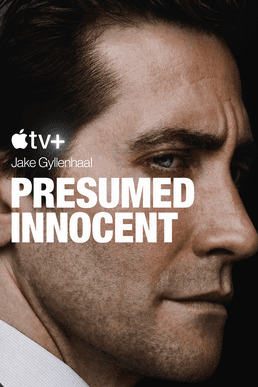
Apple's Presumed Innocent is not a radical show. It is a competent one, and competent legal drama has become rare enough that the competence is worth noting.
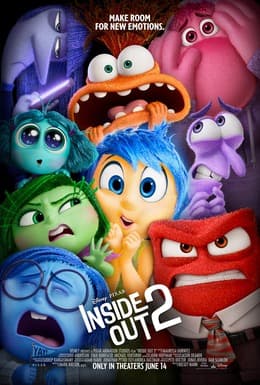
Pixar's ninth sequel turns out to be, surprisingly, one of the studio's best films in a decade. An argument for the animation that grew up with its audience.
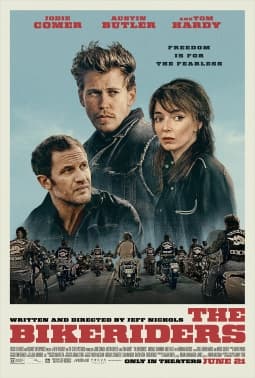
Jeff Nichols' motorcycle-club drama was held up by distribution chaos for a year, then released in a summer that did not know what to do with it. A case for the slower film.
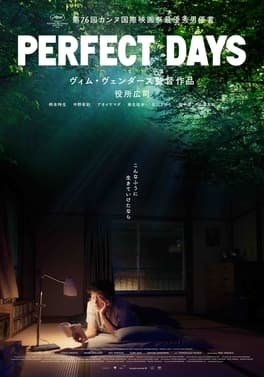
Wim Wenders' film about a Tokyo toilet cleaner is the quietest great film of the year. An argument for the discipline of the ordinary.

Park Chan-wook's HBO adaptation of Viet Thanh Nguyen's novel is the most formally audacious prestige TV of the spring. A show about duality delivered by a director who specialises in it.
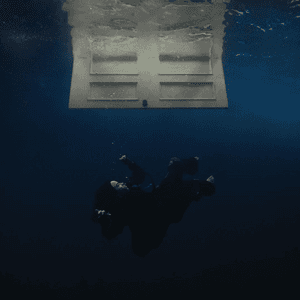
Billie Eilish's third album is a quieter, longer, more patient record than the one she was commercially expected to make. It is also, easily, her best.
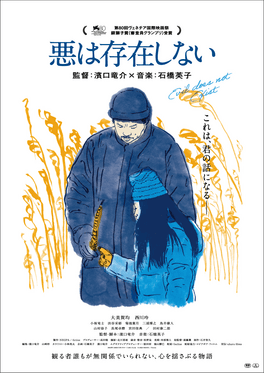
Ryusuke Hamaguchi's follow-up to Drive My Car is the quietest major film of the year. An argument for the patience the film requires and rewards.
Jonathan Nolan's Fallout is the best video game adaptation anyone has made, because it treats the source material’s tone as the thing worth preserving.
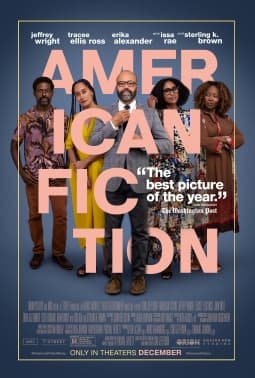
Cord Jefferson's debut feature is two films trying to be one. The surprise, two months into its run, is that both films work.
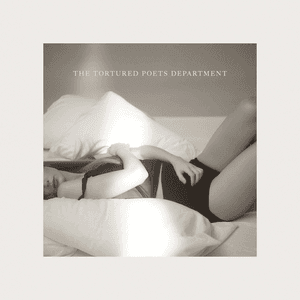
Taylor Swift's eleventh studio album, released as a double in April, is the longest piece of popular music she has ever put out, and the most urgently in need of an editor.
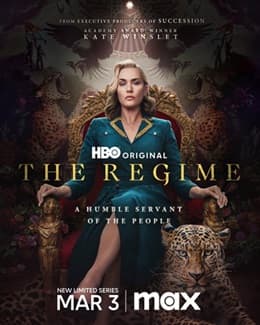
The Regime, the six-episode HBO political satire starring Kate Winslet, finished airing earlier this month. The show is a specific tonal experiment, and it is worth taking seriously.
Netflix's adaptation of Cixin Liu's Remembrance of Earth's Past trilogy is, on balance, a better show than the Game of Thrones showrunners' previous form suggested. It is also structurally compromised in specific ways.
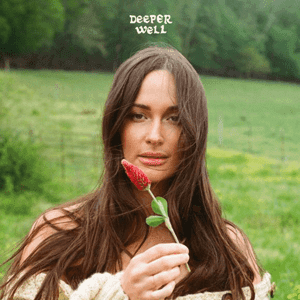
Kacey Musgraves' fifth album is the record of an artist deliberately stepping back from the cultural centre she had briefly occupied. An argument for the retreat as a specific creative choice.
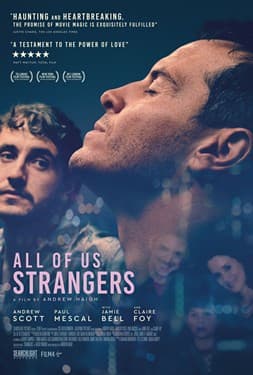
Andrew Haigh's film is a queer ghost story, a family reconciliation, and a grief piece. What it does with all three in 105 minutes is astonishing.
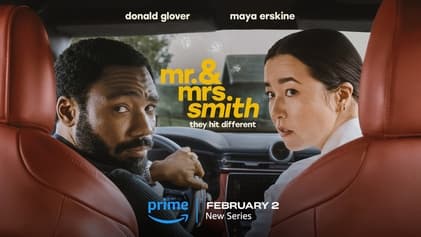
Donald Glover and Francesca Sloane's Amazon spy drama is not a remake. It is a character study dressed as a spy show, and it works because of what it refuses to be.
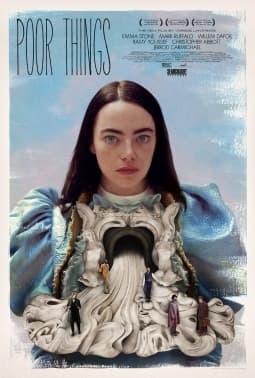
Emma Stone's performance as Bella Baxter does something almost no leading actress is allowed to do in a studio film: she becomes less polite, less articulate, less easy to root for, and the film rewards her for it.
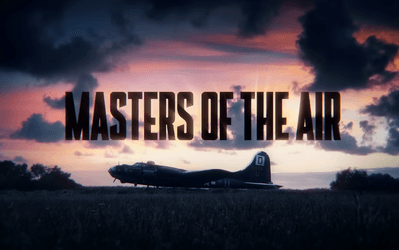
The third Spielberg-Hanks World War II series landed on Apple TV+ in January with enormous production ambition and uneven dramatic execution.
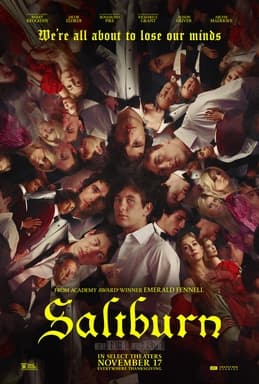
Emerald Fennell's second feature wants to be a class-war satire and a Brideshead pastiche and a body-horror provocation. It pulls off one of the three, sometimes two.