Love Lies Bleeding: Rose Glass Goes Pulp
Rose Glass's second feature dragged the lesbian bodybuilder noir into A24 territory and got reviewed as a tonal mess. The case I want to make is that the tonal mess is the movie, and the movie earns it.
22 pieces
Rose Glass's second feature dragged the lesbian bodybuilder noir into A24 territory and got reviewed as a tonal mess. The case I want to make is that the tonal mess is the movie, and the movie earns it.

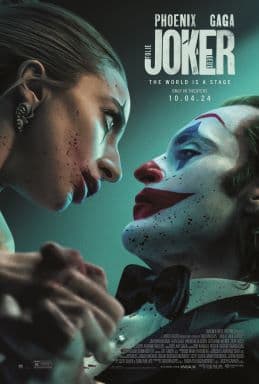
Eighteen months after Todd Phillips' much-hated sequel opened to a $37 million weekend and a 30% audience score, it is time to autopsy the corpse. The film isn't good. It also isn't quite what you've been told.

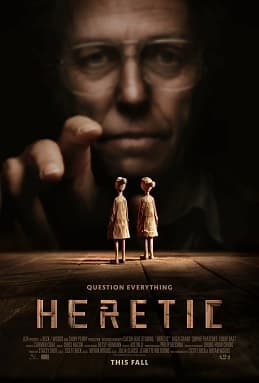
A year and a bit on, Hugh Grant's turn in Heretic has been canonised as the late-career reinvention of the decade. The interesting question is what reinvention actually means when the performance is, in truth, an intensification of what he was always doing.

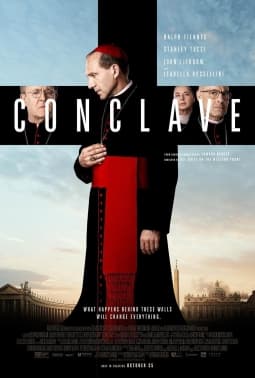
Fifteen months after Conclave's surprise commercial run, Edward Berger's Vatican procedural still feels like an argument from another era of filmmaking. The genre it quietly revived, the talk movie, is worth examining.
Eleven months after Severance returned, the second season's structural gambles are clearer. The show's patience has always been its argument; the real question is whether that argument still scales.

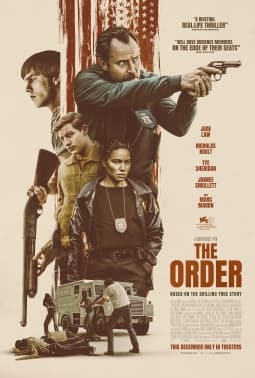
Justin Kurzel's FBI procedural about white supremacist terrorism in 1980s Idaho was one of the most under-watched American films of 2024. It is also one of the best, and the under-watching is a specific commercial failure worth understanding.
A year on from Season 4, Slow Horses is still the most consistently-good spy drama on television. An argument for the show that has quietly become one of the best.
Dan Fogelman's Paradise uses a first-episode reveal as a structural argument. The reveal works; what the show does with it is the interesting part.

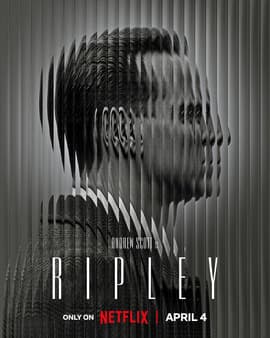
Steven Zaillian's eight-episode Netflix adaptation of Patricia Highsmith was the quiet prestige show of April 2024. A year later, its patience has only looked smarter.

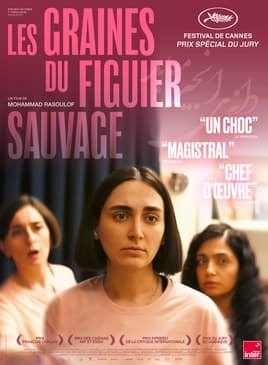
Mohammad Rasoulof shot the film in secret, fled Iran during post-production, and arrived at Cannes with a three-hour domestic thriller about a judiciary father and his protesting daughters. The retrospective argument is that the long cut is the cut.

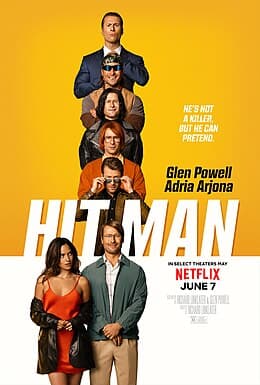
A year on from Hit Man's Netflix release, the film is a quieter argument than it first appeared. Richard Linklater made a star-launcher for someone he knew would not, in the end, need launching.

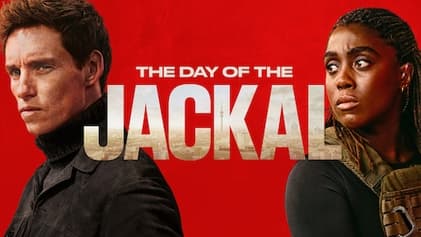
Sky and Peacock's Jackal adaptation stretched the Forsyth novel across ten episodes and bet the show on Eddie Redmayne's stillness. The bet paid off, mostly.

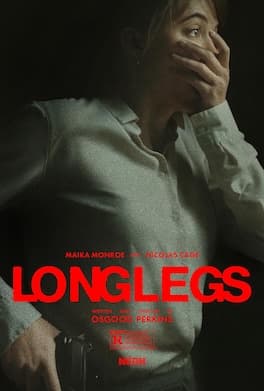
A year after Longlegs' extraordinary marketing run turned into an extraordinary opening weekend, the film looks smaller than the hype suggested and stranger than the backlash allowed.

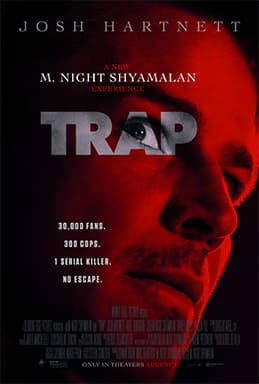
M. Night Shyamalan's August 2024 thriller had a genuinely great first act and two acts that could not sustain the premise. A year later, the unevenness is worth thinking about.

Graham Yost's second season of Silo split its story across two bunkers and asked viewers to wait. The waiting is the show's argument, and also its risk.

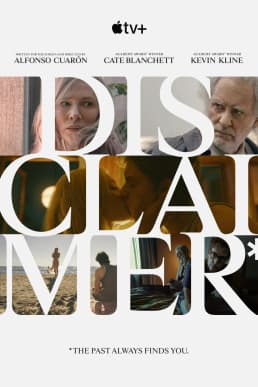
Alfonso Cuarón's seven-part thriller on Apple TV was the prestige-TV arrival of October 2024. A year out, the shape of what went wrong is clearer.

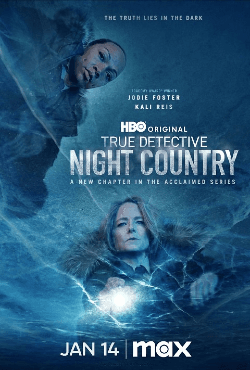
Issa López's anthology season was the most divisive prestige TV of the year. Eighteen months out, the things it got right outweigh the things it did not.

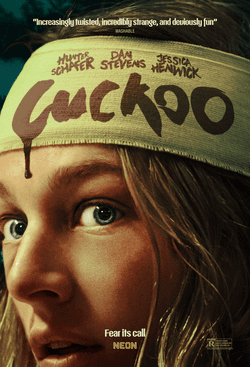
Tilman Singer's second feature is one of the weirdest mid-budget horror films of the year, and one of the least bothered about making sense. An argument for the horror film that works on dream logic.

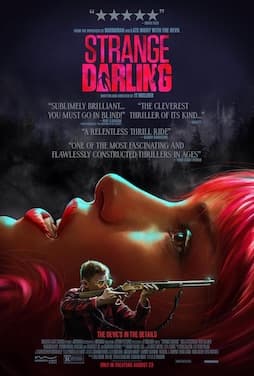
JT Mollner's non-linear indie thriller has a gimmick and knows it. A case for the film that uses its structural trick as an actual argument.

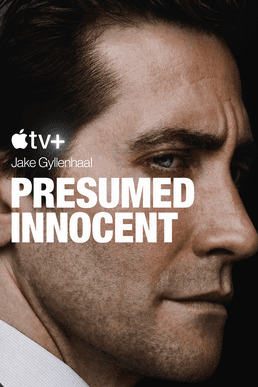
Apple's Presumed Innocent is not a radical show. It is a competent one, and competent legal drama has become rare enough that the competence is worth noting.

Netflix's adaptation of Cixin Liu's Remembrance of Earth's Past trilogy is, on balance, a better show than the Game of Thrones showrunners' previous form suggested. It is also structurally compromised in specific ways.

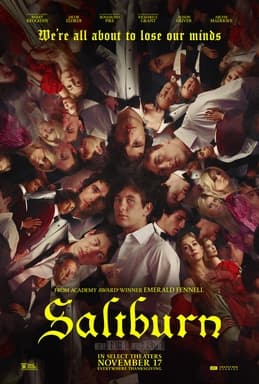
Emerald Fennell's second feature wants to be a class-war satire and a Brideshead pastiche and a body-horror provocation. It pulls off one of the three, sometimes two.